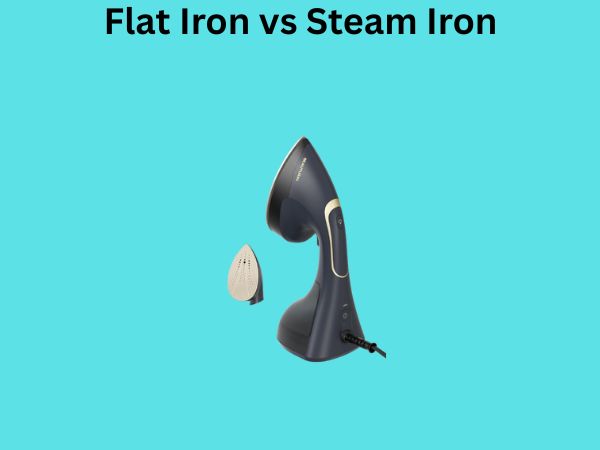
Flat Iron vs Steam Iron: Which One Should You Choose?
When it comes to keeping your clothes looking crisp and fresh, the choice between a flat iron and a steam iron can feel like standing at a crossroads. Both tools promise to eliminate wrinkles and restore life to your garments, but they work in completely different ways. So which one actually deserves a spot on your ironing board? Let’s dive into this heated debate and figure out what works best for your lifestyle and wardrobe needs.
Understanding the Basics: What’s the Real Difference?
Before we get into the nitty-gritty comparisons, let’s talk about what makes these two tools fundamentally different. A flat iron uses direct heat and pressure to press wrinkles out of fabric by applying intense heat to a small surface area. Think of it like using a hot plate to flatten something—it’s direct, concentrated, and powerful. A steam iron, on the other hand, uses moist heat to relax fabric fibers and release wrinkles. It’s more like using steam from a shower to freshen up your clothes, except with a lot more control and precision.
How Flat Irons Work
Flat irons are designed with two heated metal plates that clamp down on fabric. When you glide them across your clothing, the intense heat (often reaching 400 degrees Fahrenheit or higher) melts away wrinkles almost instantly. The pressure from the plates combined with the heat creates that perfectly pressed look. It’s efficient, it’s fast, and it’s incredibly effective on stubborn creases that refuse to budge.
How Steam Irons Operate
Steam irons work by heating water to create steam, which is then released through tiny holes in the soleplate. This steam penetrates the fabric fibers, temporarily loosening them and allowing gravity to pull out wrinkles. You typically move the iron more slowly with a steam iron compared to a flat iron, and the moisture does most of the heavy lifting. It’s a gentler approach that’s less likely to damage delicate fabrics.
Heat Intensity and Temperature Control
One of the biggest differences between these two tools is how they manage heat. Flat irons tend to run hotter because they rely on direct heat transfer. This means they can handle tough fabrics and serious wrinkles with ease. However, if you’re not careful, they can also scorch delicate materials like silk or linen.
Steam irons operate at lower temperatures because the moisture does the work for you. This makes them significantly safer for delicate fabrics. Even if your steam iron reaches 350 degrees Fahrenheit, the steam acts as a buffer, preventing the extreme heat from directly damaging the material. It’s the difference between a direct flame and the warmth from a radiator—both get the job done, but in very different ways.
Speed and Efficiency: Which Saves You More Time?
The Speed Factor
If you’re in a rush, a flat iron typically wins the race. Because it applies direct heat and pressure, you can often finish a shirt or pair of pants in minutes. You don’t need to wait for water to heat up or refill a reservoir frequently. Just plug it in, wait for it to heat up, and you’re ready to go.
Steam irons take a bit longer because you need to fill them with water and wait for it to heat. However, once they’re warmed up, they can handle larger surface areas more efficiently. You’re not just pressing one small section at a time—you’re releasing wrinkles across broader areas with each pass.
Water Refilling and Maintenance
Here’s where the conversation gets interesting. Steam irons require water, which means you’ll need to refill them periodically. Depending on how much you’re ironing and the capacity of your iron, this could mean refilling every few minutes or every half hour. Flat irons? They don’t need water at all, making them truly maintenance-free once they’re heated up.
Fabric Compatibility: What Can Each Iron Handle?
Flat Irons and Fabric Types
Flat irons are absolute champions when it comes to heavy, tough fabrics. Denim, cotton, linen, and polyester blends all respond beautifully to flat iron treatment. These are the workhorses of your wardrobe, and they deserve a tool that can handle them with power and precision. However, delicate fabrics are a different story. Silk, satin, and anything with special embellishments can easily be damaged by the intense direct heat of a flat iron.
- Best for: Cotton, denim, polyester blends, and everyday fabrics
- Caution with: Silk, satin, lace, and lightweight materials
- Absolute no-nos: Fabrics with synthetic appliqués or glitter finishes
Steam Irons and Delicate Garments
Steam irons are the gentle giants of the ironing world. Because they use moisture and lower temperatures, they’re much safer for delicate fabrics. Your grandmother’s silk blouse? Perfect for a steam iron. That fancy satin dress you wear to special occasions? Steam is your best friend. The moisture relaxes the fibers without the risk of scorching or burning.
- Excellent for: Silk, satin, linen, wool, and delicate blends
- Great for: Regular cottons and everyday wear
- Still effective on: Heavier fabrics, though not as aggressively as flat irons
Wrinkle Removal Effectiveness
Stubborn Creases and Flat Irons
Let’s be honest: when you’ve got a crease that just won’t quit, a flat iron is often your best bet. That concentrated heat and pressure can tackle wrinkles that steam might struggle with. If you’ve got pants that need a sharp crease down the front or a shirt with a particularly stubborn fold, the flat iron delivers results quickly and decisively.
Steam’s Gentle Approach to Wrinkle Relief
Steam irons might take a bit longer on stubborn wrinkles, but they get the job done without risking damage to your garments. The key is patience and technique—using a steaming motion rather than just pressing, and often holding the iron in place for a few extra seconds on particularly difficult areas. For most everyday wrinkles, steam handles them beautifully without any fuss.
Portability and Space Considerations
Where do you plan to use your iron? This matters more than you might think. Flat irons are typically more compact and lighter, making them ideal for small apartments or if you like to iron while traveling. They take up minimal storage space and are easy to carry. Steam irons, especially the larger models, require more counter space and are heavier due to their water reservoir. However, many modern steam irons are becoming increasingly compact, so this gap is narrowing.
Travel-Friendly Options
If you travel frequently, a flat iron might be your answer. Its compact size and self-contained heat source make it perfect for hotel rooms or dorm living. Some flat irons are specifically designed as travel irons, weighing just a few pounds. Steam irons exist in travel versions too, but they’re still bulkier and require access to water—a consideration in some accommodations.
Cost Comparison: Budget vs. Premium
Flat Iron Price Range
You can find a basic flat iron for as little as 15 to 20 dollars, making them incredibly affordable for budget-conscious shoppers. Premium flat irons might run you 50 to 100 dollars, offering better temperature control and longer-lasting materials. The good news? Even budget models typically perform well for basic ironing needs.
Steam Iron Investment
Steam irons generally cost a bit more, starting around 30 to 40 dollars for basic models and climbing to 150 dollars or more for advanced options with special features. The higher price tag often reflects better build quality, more stable heat, and additional convenience features like auto-shutoff and adjustable steam settings.
Long-Term Value
When considering value, think about durability and ongoing costs. Flat irons are straightforward—buy once, use for years, done. Steam irons require distilled water (mineral water can damage the internal mechanisms), which represents an ongoing expense, though minimal.
Safety Considerations for Both
Burn Risk and Flat Irons
Flat irons get extremely hot, which means burns are a real concern if you’re not careful. The concentrated heat can cause serious burns if you touch the plates accidentally. Additionally, this intense heat can damage certain fabrics permanently, especially synthetics with low melting points. Always check fabric care labels before using a flat iron.
Steam Safety Precautions
Steam irons present a different safety concern: steam burns. The steam can cause more serious burns than dry heat because it penetrates fabric and transfers heat very efficiently. However, most modern steam irons have safety guards and cool-touch handles to minimize this risk. The lower overall temperatures also mean less risk of fabric damage from accidental contact.
Wrinkle Prevention Features
Anti-Wrinkle Technology in Flat Irons
Many modern flat irons include automatic shutoff features, which prevent accidents if you forget to turn them off. Some also have temperature displays and adjustable heat settings, allowing you to customize the iron for different fabrics. However, flat irons are generally more basic in terms of features compared to their steamy counterparts.
Advanced Steam Iron Features
Steam irons often come loaded with features: adjustable steam settings, vertical steaming capabilities (great for hanging clothes and curtains), spray functions for extra moisture, and auto-shutoff safety features. Some models even include water level indicators so you always know when to refill. These features make steam irons more versatile for various ironing tasks.
Vertical Steaming Capability
Here’s something that flat irons absolutely cannot do: vertical steaming. With a steam iron, you can hang your garment on a hanger and steam it while it’s vertical, which is incredibly convenient for delicate items or garments that are hard to lay flat. This feature alone has revolutionized how many people approach clothing care, especially for items like blazers, dresses, and curtains. If this sounds appealing to you, a steam iron is essential.
Durability and Lifespan
Flat Iron Longevity
Because flat irons have fewer moving parts and don’t require water, they tend to be incredibly durable. A quality flat iron can last for many years with minimal maintenance. You might need to occasionally wipe the soleplate clean, but that’s about it. Many people report their flat irons working perfectly after 5, 10, or even 15 years of regular use.
Steam Iron Durability Challenges
Steam irons are more complex, which means more can go wrong. Mineral buildup from water can damage the internal mechanisms over time, which is why using distilled water is crucial. Lime scale accumulation can reduce steam output and create leaks. With proper maintenance and using distilled water, a good steam iron can last many years, but it requires more TLC than a flat iron.
The Verdict: Which Should You Choose?
Choose a Flat Iron If You:
- Iron mostly heavy fabrics like cotton and denim
- Need to tackle stubborn, deep creases
- Value speed and convenience
- Have limited storage space
- Travel frequently
- Want minimal maintenance and maximum durability
- Prefer a budget-friendly option
Choose a Steam Iron If You:
- Have delicate fabrics in your wardrobe
- Want to protect your clothing from damage
- Need vertical steaming capabilities
- Like having multiple ironing options and features
- Are willing to maintain and use distilled water
- Iron larger quantities of clothes regularly
- Want a gentler approach to garment care
Hybrid Solutions: Combination Irons
Did you know that some manufacturers have created hybrid irons that combine both technologies? These innovative devices let you switch between steam and dry heat, giving you the best of both worlds. If you can’t decide between the two, a combination iron might be your perfect solution. You get the speed and power of a flat iron when you need it, plus the gentle, moisture-based care of a steam iron for delicate items.
Maintenance Tips for Maximum Performance
Keeping Your Flat Iron in Top Shape
Maintenance for flat irons is straightforward. Simply wipe the soleplate with a damp cloth when it’s cool to remove any starch buildup or fabric residue. Every few months, you might want to run a slightly damp cloth over the heating surface to keep it clean. That’s really all there is to it. No complicated descaling or water refilling required.
Steam Iron Maintenance Essentials
For steam irons, always use distilled water to prevent mineral buildup. Many models have a descaling feature—use it regularly according to your manual’s instructions. Before storing your iron after use, empty any remaining water from the reservoir to prevent internal corrosion. Clean the soleplate regularly and ensure the steam vents aren’t blocked.
Conclusion
The choice between a flat iron and a steam iron ultimately depends on your specific needs, your wardrobe composition, and your lifestyle. If you’re someone who works with heavy fabrics, values speed, and wants a low-maintenance tool, a flat iron is your champion. If your wardrobe includes delicate items, you appreciate advanced features, and you’re willing to invest in proper maintenance, a steam iron offers superior protection for your clothes.
The honest truth? Many households benefit from having both tools available. Use your flat iron for everyday cotton and denim, and turn to your steam iron when you’re dealing with delicate fabrics or larger quantities of garments. Think of them as different tools for different jobs, much like having both a screwdriver and a hammer in your toolkit. Whatever you choose, make sure it aligns with how you actually use your clothes and how much time you’re willing to dedicate to garment care. Your perfectly pressed wardrobe awaits.
Frequently Asked Questions
Can I use a flat iron on silk and delicate fabrics?
While technically you could use a flat iron on silk if you keep the temperature very low, it’s not recommended. Flat irons are designed for direct contact heat, which can easily damage or scorch delicate fabrics even at lower settings. Steam irons are the safer choice for silk, satin, and other delicate materials because the moisture acts as a protective buffer between the heat and your garment.
How often should I refill my steam iron’s water reservoir?
This depends on your iron’s capacity and how much steam you’re using. Most steam irons hold enough water for 30 minutes to an hour of continuous use. If you’re ironing multiple items or using the steam feature frequently, you might need to refill after every 2-3 garments. Always check your specific model’s manual for exact capacity information.
Are flat irons better for getting permanent creases in pants?
Yes, absolutely. If you want crisp, sharp creases down the front of your pants that last through several wearings, a flat iron