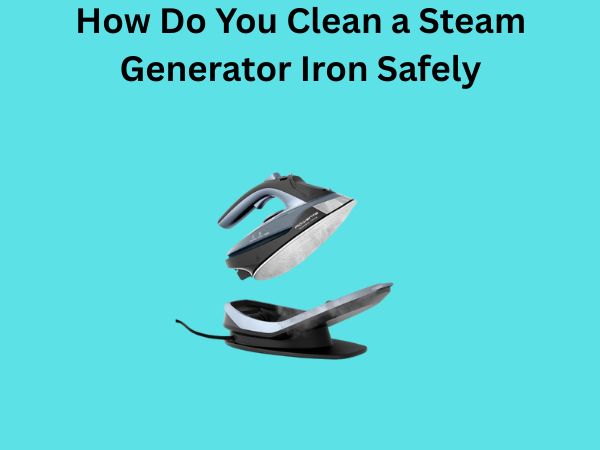
How Do You Clean a Steam Generator Iron Safely: A Complete Guide
If you’ve ever owned a steam generator iron, you know how amazing they are for getting wrinkles out of stubborn fabrics. But here’s the thing—these powerful machines need proper maintenance, or they’ll start acting up faster than you can say “mineral deposits.” Think of your steam generator iron like a car; it needs regular oil changes and tune-ups to keep running smoothly. The same principle applies here. In this guide, I’m going to walk you through everything you need to know about cleaning your steam generator iron safely, so it keeps delivering pristine results for years to come.
Understanding Your Steam Generator Iron and Why Cleaning Matters
Before we jump into the nitty-gritty of cleaning, let’s talk about why this matters in the first place. Your steam generator iron produces steam by heating water, and over time, minerals and impurities build up inside the system. This buildup—often called limescale—can clog the steam vents, reduce the iron’s performance, and even damage the internal components. Have you ever noticed your iron producing less steam or sputtering when you use it? That’s usually a sign that mineral accumulation is taking over.
A well-maintained steam generator iron will continue to glide smoothly over your clothes and deliver consistent steam output. Neglecting this maintenance is like ignoring that warning light on your dashboard—eventually, you’ll have a bigger problem on your hands.
What Causes Buildup in Steam Generator Irons?
The culprit behind most steam generator iron problems is hard water. When water contains high levels of calcium and magnesium minerals, these minerals get left behind as the water evaporates during the steam generation process. Over time, these mineral deposits accumulate inside the boiler and steam channels, creating blockages that compromise performance. The type of water you use directly impacts how quickly this buildup occurs.
Safety First: Essential Precautions Before Cleaning
Now, let’s talk safety because you definitely don’t want to hurt yourself while trying to help your iron. Steam generator irons work with pressurized steam and hot water, so treating them with respect is non-negotiable.
Important Safety Steps to Follow
- Always unplug your iron from the electrical outlet before starting any cleaning procedure
- Allow the iron to cool completely—and I mean completely—before touching any internal parts
- Never force open any components that seem stuck or resistant
- Keep your hands and face away from steam vents when the iron is in use or cooling down
- Never pour water or cleaning solutions directly into the boiler without following manufacturer instructions
- Wear protective gloves to avoid burns from hot metal or steam
- Work in a well-ventilated area, especially when using vinegar or descaling solutions
Think of these precautions as your safety net. They might seem like common sense, but you’d be surprised how many people skip these steps and end up with minor burns or damaged equipment.
Gathering Your Cleaning Supplies and Tools
You don’t need fancy or expensive cleaning products to maintain your steam generator iron. In fact, some of the best cleaning agents are probably already in your kitchen. Let me break down what you’ll need.
Essential Cleaning Materials
- White vinegar—the household hero for dissolving mineral deposits
- Distilled water—to refill the water reservoir without introducing new minerals
- Soft cloths and microfiber towels—gentle enough not to scratch surfaces
- Cotton swabs or pipe cleaners—perfect for reaching tight spaces and vents
- A small bowl or container—for soaking small parts if needed
- Protective gloves—to keep your hands safe
- A commercial descaling solution—as an alternative to vinegar, though not always necessary
The beauty of using vinegar is that it’s natural, non-toxic, and incredibly effective. It breaks down mineral deposits without exposing you to harsh chemicals. Plus, it costs just a few dollars compared to specialized descaling products that can run ten times that price.
Step-by-Step Guide to Cleaning Your Steam Generator Iron
Alright, now we’re getting into the actual cleaning process. I’m going to break this down into manageable steps so you can follow along easily.
Step One: Empty and Inspect the Reservoir
Start by unplugging your iron and letting it cool down completely. Once it’s cool, remove the water reservoir and pour out any remaining water. Take a look inside—can you see visible mineral deposits or discoloration? If the water inside looks dirty or cloudy, that’s a clear indicator that descaling is overdue. Empty the reservoir completely and rinse it out with fresh water.
Step Two: Clean the External Surfaces
Your iron’s exterior deserves attention too. Use a soft, damp cloth to wipe down the entire outer surface, including the handle and cord. If there are stubborn spots or residue, dampen your cloth slightly with white vinegar. Never use abrasive scrubbers or harsh chemicals on the soleplate, as these can damage the protective coating. The soleplate should be treated gently—it’s the hardest working part of your iron.
Step Three: Prepare Your Descaling Solution
Here’s where the magic happens. Mix equal parts white vinegar and distilled water in a container. For most steam generator irons, you’ll want about half a cup of each. This solution is strong enough to dissolve mineral deposits but gentle enough not to damage internal components. The acidic nature of vinegar breaks down calcium and magnesium compounds, essentially reversing the damage caused by hard water.
Step Four: Run the Descaling Cycle
Consult your iron’s instruction manual for the specific descaling procedure, as different models have different methods. Typically, you’ll fill the water reservoir with your vinegar solution, then run the iron over a sink or basin while pressing the steam button repeatedly. This forces the vinegar solution through the internal channels, dislodging mineral buildup. You’ll notice the water coming out might look cloudy or discolored—that’s the minerals leaving the system.
Be patient during this process. It might take several minutes of continuous steam release to fully descale the iron. Some people repeat this entire cycle two or three times, especially if the iron hasn’t been cleaned in a long time. Each cycle removes more deposits and improves performance.
Step Five: Flush the System with Distilled Water
After descaling with vinegar, it’s crucial to flush out any remaining vinegar solution. Fill the reservoir with distilled water—never tap water—and run the steam cycle again until the reservoir is empty. This rinsing step is essential because any leftover vinegar can leave a smell and potentially affect the taste or smell of fabrics you’re ironing. Do this rinse cycle at least twice to ensure you’ve removed all vinegar residue.
Step Six: Clean the Steam Vents and Openings
The steam vents are where mineral deposits love to accumulate the most. Use a cotton swab or a thin pipe cleaner to gently clean around the vent openings. If you see mineral buildup, dampen the swab slightly with vinegar and work at it gently. Don’t force anything—if it’s really stuck, let it sit with a vinegar-dampened cloth for a few minutes before trying again. This targeted cleaning ensures steam flows freely and prevents weak steam output.
Additional Maintenance Tips for Optimal Performance
Cleaning your steam generator iron is important, but prevention is even better. Let me share some strategies to keep your iron in top shape between deep cleaning sessions.
Use Distilled Water Exclusively
This is the single most important thing you can do to reduce buildup. Distilled water has had minerals removed, so it won’t leave deposits inside your iron. Yes, it costs a bit more than tap water, but it extends the life of your iron significantly. Think of it as an investment in longevity—you’re paying a small amount now to avoid expensive repairs or replacement later.
Empty the Reservoir After Each Use
Get into the habit of emptying your water reservoir after every ironing session. This prevents stagnant water from sitting in the tank, which can promote mineral crystallization and even mold growth. Plus, starting with a fresh reservoir means you’re not dealing with old water that’s already begun to accumulate deposits.
Check the Soleplate Regularly
The soleplate is the surface that touches your clothes, and keeping it clean ensures smooth gliding and prevents staining. Wipe it down with a soft cloth after use, especially if you’ve been ironing synthetic fabrics that can sometimes stick. For stubborn residue, use a cloth slightly dampened with distilled water—avoid vinegar on the soleplate itself, as this might affect its protective coating.
Schedule Regular Descaling
How often should you descale? That depends on your water hardness. In areas with soft water, you might only need to descale every few months. In hard water areas, monthly cleaning might be necessary. A good rule of thumb is to descale whenever you notice decreased steam output or any sputtering. Your iron will essentially tell you when it needs help.
Troubleshooting Common Steam Generator Iron Problems
Even with proper maintenance, sometimes issues arise. Let me address some common problems and how cleaning can help resolve them.
Weak or No Steam Output
If your iron barely produces steam, mineral buildup is almost certainly the culprit. Run the descaling procedure described above. If the problem persists after thorough cleaning, check the steam vents for blockages and clean them thoroughly with a cotton swab. Make sure you’re using distilled water going forward to prevent the problem from returning.
Sputtering or Spitting Water
This usually means water droplets are reaching the soleplate without being fully converted to steam. This happens when mineral deposits are blocking the steam channels. Descale the iron and ensure all vents are clear. Also, never fill the reservoir beyond the maximum level, as this can cause water to spray out.
Unusual Odors or Discoloration on Clothes
If your ironed clothes are coming out with stains or strange smells, leftover vinegar from improper rinsing is likely responsible. Run multiple rinse cycles with distilled water until any vinegar smell is completely gone. You might want to test on an old cloth first before ironing your good clothes again.
Leaking from the Bottom or Sides
A leaking steam generator iron needs immediate attention. First, ensure the water reservoir is not overfilled. If the problem continues, there might be internal damage or seal issues. Try descaling, as sometimes mineral deposits cause pressure buildup that leads to leaks. If descaling doesn’t help, consult the manufacturer or consider professional servicing.
When to Seek Professional Help
While most steam generator iron maintenance can be done at home, some situations warrant professional attention. If you’ve descaled thoroughly and the iron still isn’t working properly, there might be internal damage that requires expert hands. If water is leaking from seals or if the iron won’t heat up properly, these are signs of problems beyond DIY cleaning.
Professional servicing isn’t cheap, but it’s worth considering if your iron is relatively new and expensive. For older models, sometimes replacement is more economical than repair. Either way, proper maintenance extending the time before you need professional help is always the goal.
Understanding Your Manufacturer’s Guidelines
Before you start any cleaning procedure, pull out that instruction manual. I know, I know—most people never read manuals, but for steam generator irons, they contain crucial information. Different manufacturers have different recommendations for descaling frequency and procedures. Some even void warranties if you use methods other than those specified in the manual.
The manual also tells you about your specific model’s features and any unique cleaning requirements. Some newer irons have self-cleaning cycles built in—check if yours does. Using features the manufacturer designed for you is always safer than improvising your own method.
The Cost-Benefit Analysis of Regular Maintenance
Let’s be honest—cleaning your steam generator iron isn’t the most exciting task. But consider this: a good steam generator iron can cost between one hundred and five hundred dollars or more. Regular maintenance costing just a few dollars in distilled water and perhaps a bottle of vinegar is a small price to pay for protecting that investment. You’re looking at maybe thirty minutes of work every month or two, which is minimal compared to the headache of replacing a broken iron or having it professionally serviced.
Conclusion
Cleaning your steam generator iron safely is entirely within your capability, and it’s one of the best investments you can make in the longevity of your appliance. By understanding the causes of mineral buildup, following proper safety precautions, and implementing regular maintenance, you’ll keep your iron working like new for years to come. The key takeaways are simple: use distilled water exclusively, descale regularly based on your water hardness, empty the reservoir after each use, and clean all vents and openings thoroughly. Whether you’re dealing with a light cleaning or a heavy descaling session, the methods outlined in this guide will help you tackle the job confidently. Your clothes will thank you with crisp, wrinkle-free results, and your iron will thank you with consistent performance. Start implementing these practices today, and you’ll never have to worry about a sluggish steam generator iron again.
Frequently Asked Questions
Can I use regular tap water in my steam generator iron?
While you technically can use tap water, it’s not recommended. Tap water contains minerals like calcium and magnesium that accumulate inside the iron, reducing performance and requiring more frequent cleaning. Distilled water is mineral-free and will extend your iron’s lifespan significantly. The small extra cost of distilled water is worth it compared to the expense and hassle of frequent repairs or replacement.
How often should I descale my steam generator iron?
The frequency depends on your water hardness. In areas with soft water, descaling every two to three months might suffice. In hard water areas, monthly descaling is often necessary. The best approach is to descale whenever you notice performance decline, such as reduced steam output or sputtering. Pay attention to your iron’s behavior—it will tell you when it needs help.
Is white vinegar safe to use inside my steam generator iron?
Yes, white vinegar is safe and effective for cleaning steam generator irons. It’s a natural, non-toxic solution that dissolves mineral deposits without damaging internal components. However, always dilute it with equal parts distilled water, and ensure you rinse thoroughly afterward to remove any vinegar smell or residue. Check your manufacturer’s manual to confirm they approve vinegar use, as a few brands recommend their proprietary descaling solutions instead.
What should I do if my iron still doesn’t work after descaling?
If descaling doesn’t improve performance, try cleaning the steam vents more thoroughly with cotton swabs or pipe cleaners. Make sure all vents are completely clear of blockages. If the problem persists, there may be internal damage or seal issues requiring professional servicing. Avoid forcing anything or disassembling the iron yourself, as this could cause additional damage or void your warranty.
Can mineral deposits damage my steam generator iron permanently?
Yes, severe mineral buildup can cause permanent damage if left unchecked. Heavy deposits can corrode internal components, damage seals, and even cause cracks in the boiler. Regular descaling prevents buildup from reaching damaging levels. Think of it as preventative medicine for your iron—addressing the problem early is far easier and cheaper than dealing with permanent damage later on.
“`