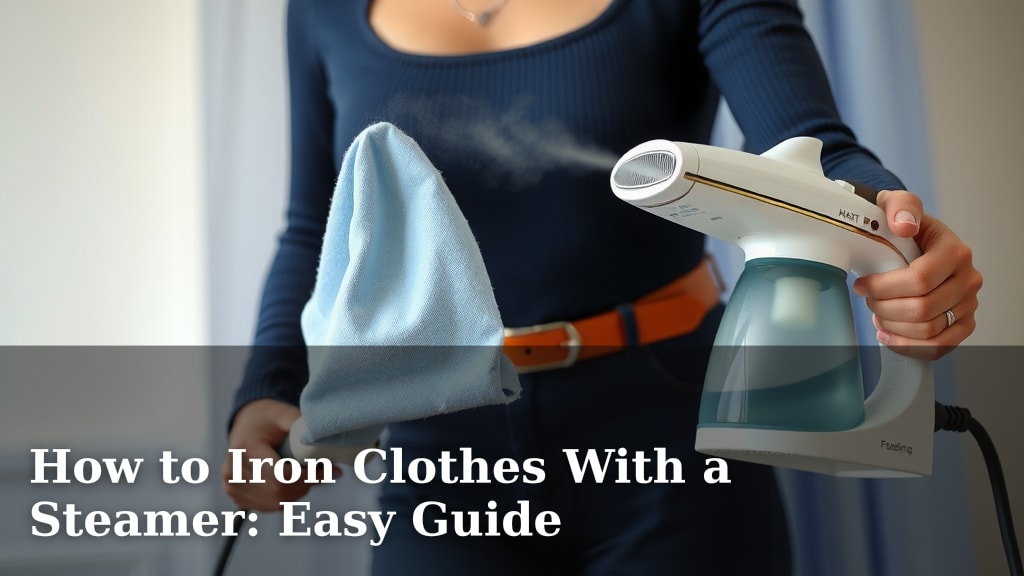
How to Iron Clothes With a Steamer: Easy Guide
Yes, you can absolutely iron clothes with a steamer! It’s a fast and easy way to remove wrinkles from most fabrics. A good steamer can leave your garments looking crisp and fresh without the hassle of a traditional iron.
Steaming is often gentler on delicate fabrics than ironing. It’s perfect for clothes that are hard to lay flat or have intricate details. You might find steaming becomes your go-to method for quick touch-ups.
- Steaming works on most fabrics.
- It’s often faster than ironing.
- It’s gentler on delicate materials.
- Perfect for quick touch-ups.
Let’s walk through exactly how to use a steamer to get your clothes looking their best, step by step.
“`htmlMastering Your Clothes with a Clothes Steamer: A Simple Guide
So, you’ve got a handy clothes steamer and you’re wondering how to get those wrinkles out. It’s a fantastic tool that can save you time and keep your wardrobe looking sharp. Let’s get you acquainted with the best way to use it.
Using a steamer is often a quicker and more forgiving option than an iron. You can tackle wrinkles without worrying about scorching delicate fabrics. Plus, it’s great for items that are tricky to iron flat. We’ll walk through the process together, step by step.
Getting Your Steamer Ready to Go
Before you can banish those creases, a little preparation is key. This ensures your steamer works efficiently and safely.
Filling the Water Tank
First things first, you need to fill the water tank. Most steamers come with a removable tank. Gently detach it and fill it with distilled or demineralized water. Why? Tap water can contain minerals that build up inside your steamer over time. This buildup can clog the device and even stain your clothes with mineral deposits. Some manufacturers allow tap water, so it’s always best to check your user manual.
Make sure not to overfill the tank. There’s usually a ‘max fill’ line. Overfilling can lead to leaks and improper function. Once filled, securely reattach the tank to the steamer body.
Heating Up the Steamer
Now, plug in your steamer and turn it on. It needs a few minutes to heat up. You’ll know it’s ready when steam starts to flow consistently from the nozzle. This usually takes between 30 seconds to 2 minutes. Resist the urge to start steaming too soon!
Some steamers have indicator lights to show when they’re heated and ready. Keep an eye on these. If you’re using a handheld steamer, just hold it upright while it heats. This prevents hot water from spitting out.
Steaming Your Garments: The Technique
With your steamer ready, it’s time to tackle those wrinkles. The way you hold the fabric and the steamer makes all the difference.
Hanging Your Clothes
Always hang the garment you’re steaming. A sturdy hanger works best. Clothes need to hang freely so the steam can penetrate the fabric and relax the fibers. A closet rod or a door hook can be your best friends here. Make sure the garment has space around it. Avoid steaming clothes directly on a hanger while they’re still on a rack with other clothes. They need room to breathe and move.
The Steaming Motion
Hold the steamer nozzle a few inches away from the fabric. Move it in smooth, up-and-down strokes. Let the steam do the work. You don’t need to press the steamer against the fabric. Just let the heat and moisture gently release the wrinkles. For stubborn creases, you might need a few passes.
If you have a garment with a stiff collar or cuffs, you can gently hold them taut with your free hand. This helps create a smooth surface for steaming. Just be careful not to burn yourself. Many steamers have protective mitts for this very reason.
Dealing with Different Fabric Types
Different fabrics respond differently to steam. For most everyday materials like cotton, linen, and synthetics, the standard up-and-down motion works well. You might find that linen needs a bit more steam time due to its tendency to wrinkle.
Delicate fabrics like silk or rayon require a gentler touch. Hold the steamer a bit further away, maybe 6-8 inches. Use shorter bursts of steam. Research and found that silk can be damaged by too much direct heat (Cottonelle).
For thicker fabrics like wool or denim, you might need to get a little closer and use more sustained steam. Sometimes, gently pulling the fabric taut with your other hand can help smooth out deep wrinkles.
Steaming Inside and Out?
Can you steam the inside of a garment? Yes, you can! For garments that are lined or have delicate outer materials, steaming from the inside can be a great option. This protects the outer surface from any potential heat or moisture issues. It’s also useful for removing odors from the inside of clothing. Many experts suggest this method for sensitive fabrics.
Quick Tips for a Perfect Finish
A few extra tips can make your steaming sessions even more successful.
- Don’t Over-Steam: Too much steam can make fabrics overly damp. Let the garment air dry for a few minutes after steaming if needed.
- Check the Label: Always consult the care label on your garment first. Some fabrics may have specific instructions regarding heat or steam.
- Wrinkles Won’t Budge? For very deep wrinkles, especially on sturdy fabrics, you might need to combine steaming with a quick pass of a traditional iron.
- Post-Steaming Care: Once you’re done, let your garment hang for a few minutes to fully dry and set. This prevents re-wrinkling.
Steamer vs. Iron: When to Use What
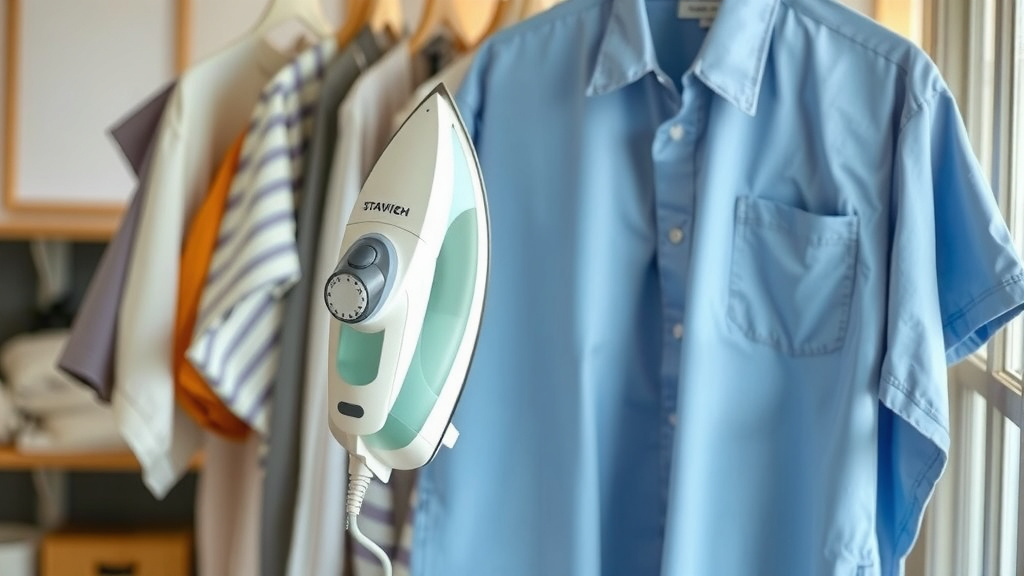
While steamers are fantastic, they aren’t always a direct replacement for irons. Here’s a quick look at when each tool shines.
| Tool | Best For | When to Choose |
|---|---|---|
| Clothes Steamer | Quick touch-ups, delicate fabrics, travel, items with embellishments, refreshing clothes. | When you need to remove wrinkles fast, or for items that are hard to iron. |
| Traditional Iron | Crisp creases (like on dress shirts), stubborn wrinkles on heavy fabrics, setting seams. | When you need a sharp, pressed look or for specific tailoring needs. |
Think of your steamer as your daily driver for quick fixes. An iron is more for those special occasions or precise tailoring jobs. Many people find they use their steamer far more often for everyday wear.
Your Steaming Checklist
Ready to give it a go? Here’s a simple checklist to keep you on track:
- Fill the tank with distilled water.
- Hang your garment securely.
- Heat up the steamer fully.
- Move the steamer in steady strokes.
- Let clothes dry for a few minutes after.
- Enjoy your wrinkle-free clothes!
Conclusion
You’ve learned how to transform wrinkled clothes into smooth, presentable outfits using a steamer. It’s a simpler, gentler, and often faster alternative to traditional ironing, perfect for everyday wear and delicate fabrics. Remember to always use distilled water, let your steamer heat up fully, and hang your clothes properly. By following these steps, you can confidently tackle wrinkles and keep your wardrobe looking its best with minimal effort. Your next step? Try steaming a favorite shirt and see the difference for yourself!
Frequently Asked Questions
Can I use a steamer on all types of fabric?
Generally, yes! Steamers are safe for most fabrics, including cotton, linen, synthetics, and even delicates like silk and rayon when used correctly. For very delicate materials, always hold the steamer a bit further away.
How do I prevent water spots on my clothes when steaming?
Using distilled or demineralized water is the best way to prevent mineral buildup and water spots. Also, ensure your steamer is fully heated before you start and hold the nozzle a few inches away from the fabric.
My steamer isn’t removing wrinkles effectively. What could be wrong?
Several things could be the cause. Make sure the steamer has heated up completely and the water tank is full. You might also need to hold the fabric taut with your free hand and move the steamer in steady, up-and-down strokes. For stubborn creases, a second pass might be necessary.
Is it better to steam clothes while they are still damp or dry?
It’s best to steam clothes when they are dry. While some people might lightly mist dry clothes, steaming works by using the heat and moisture in the steam to relax fabric fibers. Steaming already damp clothes can make them too wet and take longer to dry.
Can a steamer create a sharp crease, like on dress pants?
While steamers excel at removing wrinkles and refreshing fabric, they typically don’t create sharp creases like a traditional iron can. If you need a crisp crease on dress pants or a shirt collar, you might need to use an iron for that specific task.