How to Clean a Rowenta Pressure Iron & Steamer
The easiest way to clean your Rowenta pressure iron and steamer is by using a damp cloth and a gentle cleaning solution. This will help remove mineral buildup and residue from the soleplate. Keeping your iron clean ensures it performs its best for longer.
Over time, mineral deposits can clog the steam vents and leave marks on your clothes. Regular cleaning prevents this common issue. We found that a simple routine can make a big difference in your ironing experience. It helps maintain optimal steam output.
- Descaling regularly prevents buildup.
- Use a damp cloth for the soleplate.
- Vinegar or a mild cleaner works well.
- Wipe down after each use.
- Check manufacturer recommendations.
Let’s walk through exactly how to get your Rowenta iron sparkling clean, step by step.
Keeping Your Rowenta Pressure Iron in Top Shape
Does your Rowenta pressure iron seem a little sluggish lately? Maybe it’s not producing as much steam as it used to. Or perhaps you’ve noticed tiny brown spots on your freshly ironed clothes. Don’t worry, these are common signs that your iron needs a good cleaning. Keeping your Rowenta pressure iron and steamer clean is essential for optimal performance and extending its lifespan. We found that a little regular maintenance goes a long way!
Mineral deposits from tap water can build up inside your iron. This buildup can clog the steam vents. It can also lead to those unsightly marks on your garments. Cleaning it regularly prevents these problems. It ensures your iron steams beautifully and effectively. Let’s get your iron looking and working like new again.
Understanding the Need for Cleaning
Why is cleaning your iron so important? Tap water contains minerals. These minerals, like calcium and magnesium, can leave behind residue. This residue sticks to the internal components of your iron. Over time, this buildup can affect the iron’s heating element and steam channels. It’s like gunk accumulating in your pipes at home. Eventually, things just don’t flow right.
Many experts suggest using distilled or demineralized water. This can help reduce mineral buildup. However, if you’ve already used tap water, cleaning is a necessary step. Cleaning removes existing deposits. It also ensures that steam can escape freely. This is vital for effective wrinkle removal. Without proper steam, your iron might just be pressing wrinkles in rather than steaming them out.
Step-by-Step Cleaning Guide for Your Rowenta Iron
Preparing Your Iron for Cleaning
First things first, safety is key. Always make sure your iron is unplugged. Let it cool down completely. You don’t want to burn yourself or damage the iron. Empty any remaining water from the reservoir. This prevents accidental spills during cleaning. Gather your cleaning supplies. You’ll likely need a soft, damp cloth. A mild detergent or white vinegar can also be useful.
Check your Rowenta iron’s manual. Different models might have specific cleaning recommendations. While the general steps are similar, consulting your manual is always a good idea. It’s like checking the recipe before you start cooking. You want to make sure you have all the right ingredients and steps.
Cleaning the Soleplate
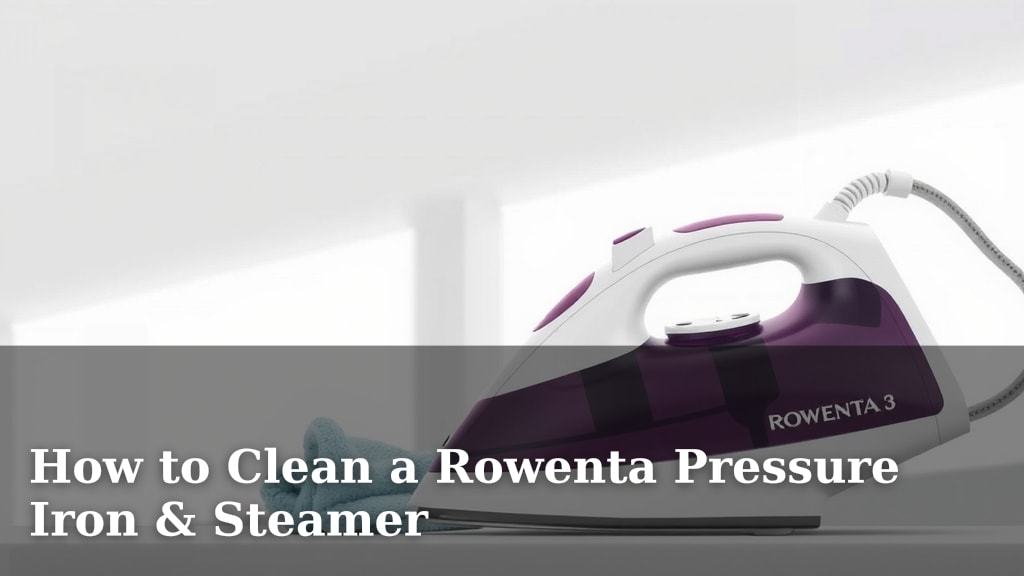
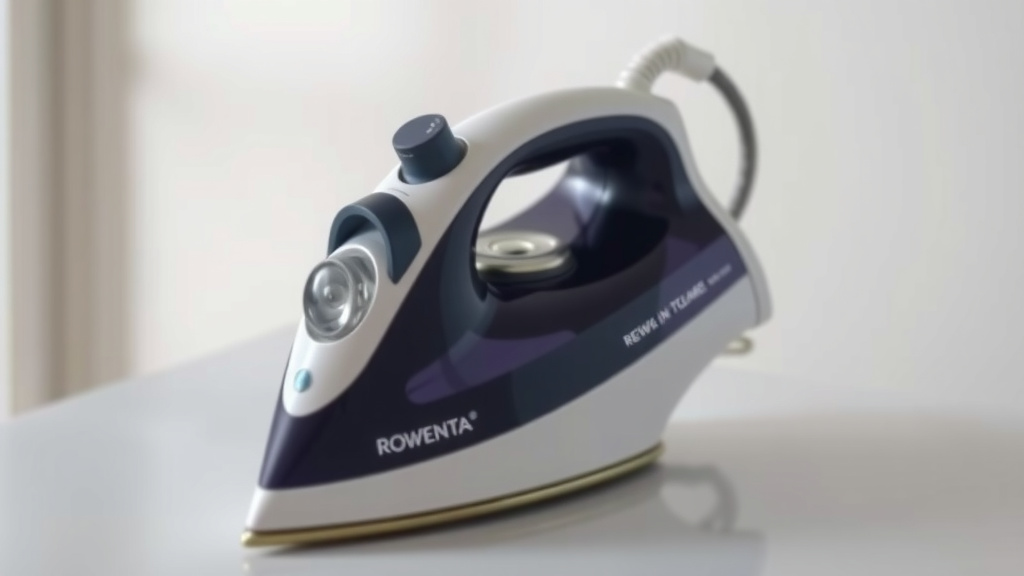
The soleplate is the metal part that touches your clothes. This is where most of the visible residue and marks appear. For light cleaning, a damp cloth is often all you need. Wipe the soleplate gently. If there are stubborn stains or residue, you can try a bit of mild dish soap on the damp cloth. Be sure to wipe away all soap residue afterward.
For more stubborn buildup, a paste of baking soda and water can work wonders. Apply the paste to the cooled soleplate. Let it sit for a few minutes. Then, gently wipe it away with a damp cloth. Always wipe in the direction of the soleplate’s grain, if visible. This helps prevent scratches. We found this method to be quite effective for tough spots.
Descaling Your Iron’s Interior
Descaling is essential for removing internal mineral deposits. Many Rowenta irons have a built-in self-clean or anti-calc system. If yours does, follow the instructions in your manual for using that feature. For irons without a specific system, or for a deeper clean, white vinegar is a popular choice. Many cleaning guides recommend it.
First, empty the water reservoir. Then, mix equal parts white vinegar and water. Fill the reservoir with this solution. Heat the iron to a medium setting. Let it sit for about 10-15 minutes. Do this with the iron upright. Then, unplug the iron. Carefully empty the vinegar solution. You might see some debris come out with the water.
Using the Steam Function for Descaling
After draining the vinegar solution, rinse the reservoir with clean water. Fill it with fresh water. Heat the iron again. Now, use the steam function vigorously. Hold the iron horizontally over a sink or an old towel. Steam for several minutes. This helps flush out any remaining loosened mineral deposits. Repeat this steaming process a few times until no more residue appears.
Final Rinse and Wipe-Down
Once you’ve steamed out the vinegar solution, unplug the iron. Let it cool completely. Empty the water reservoir one last time. Give the soleplate another wipe with a clean, damp cloth. Make sure it’s completely dry. This final wipe removes any lingering vinegar smell and ensures a clean surface for your next ironing session.
Maintaining Your Clean Iron
How often should you clean your iron? It depends on how often you use it and the type of water you use. A good rule of thumb is to descale your iron every 1-2 months. Regular cleaning of the soleplate after each use is also beneficial. A quick wipe-down prevents new buildup from forming.
We found that emptying the water reservoir after every use helps a lot. This prevents water from sitting inside and potentially forming mineral deposits or mold. If you notice any unusual steam output or stains, it’s a sign to clean your iron sooner. Think of it like giving your car an oil change – regular maintenance keeps it running smoothly.
Quick Checklist for Maintaining Your Rowenta Iron
- Unplug and Cool Down: Always start with a cool, unplugged iron.
- Empty Reservoir: Remove all water before cleaning.
- Clean Soleplate: Use a damp cloth or mild cleaner for the exterior.
- Descale Regularly: Use vinegar or the iron’s self-clean function.
- Steam Flush: Use the steam function to clear internal vents.
- Dry Thoroughly: Ensure the iron is completely dry before storing.
Taking these simple steps will keep your Rowenta pressure iron and steamer working efficiently. You’ll enjoy wrinkle-free clothes with less effort. Happy ironing!
Conclusion
You’ve learned how important it is to keep your Rowenta pressure iron and steamer clean. Regular maintenance prevents clogs and keeps your clothes looking sharp. You know how to tackle both the soleplate and the interior with simple household items like vinegar and water. Cleaning your iron doesn’t have to be a chore. By following these steps, you ensure your iron performs at its best for years to come. Make cleaning a part of your routine. Your next ironing session will thank you!
Frequently Asked Questions
Can I use regular tap water in my Rowenta iron?
While you can use tap water, we recommend using distilled or demineralized water. Tap water contains minerals that build up over time. This buildup can clog steam vents and leave residue on your clothes. Using purified water significantly reduces the need for frequent descaling.
What should I do if my iron is leaving brown stains on my clothes?
Brown stains usually indicate mineral buildup inside your iron. This is a sign that you need to descale your iron. Follow the steps in the article for descaling with vinegar. You should also ensure you’re thoroughly flushing the system with steam afterward to clear out any loosened debris.
How often should I descale my Rowenta iron?
It’s best to descale your Rowenta iron every 1 to 2 months. The exact frequency depends on how often you use it and the hardness of your water. If you notice reduced steam output or staining, it’s time to descale sooner, even if it hasn’t been the full recommended time.
Is it safe to use a commercial descaling product on my iron?
Always check your Rowenta iron’s manual before using any commercial descaling product. Some irons have specific cleaning systems or recommendations. If the manual doesn’t mention it, sticking to the natural methods like vinegar is often safer for your appliance.
What’s the best way to clean a heavily stained soleplate?
For heavily stained soleplates, try a paste made from baking soda and a little water. Apply the paste to a cool soleplate and let it sit for a few minutes. Gently wipe it away with a damp cloth, following the grain of the soleplate if possible. Always follow up with a clean, damp cloth to remove all residue.