How to Fix a Steam Iron: Easy DIY Repair
Yes, you can often fix a steam iron yourself with simple DIY methods. Many common steam iron problems, like spitting water or not heating up, have easy solutions. You don’t always need a professional for quick steam iron repairs.
Your iron might seem beyond repair, but often it just needs a little attention. We found that issues with the water reservoir or heating element are common culprits. A little cleaning or troubleshooting can bring your iron back to life.
- Check the water level and type.
- Descale the iron regularly.
- Inspect the power cord.
- Clean the soleplate.
Let’s walk through exactly how to get your trusty steam iron working like new again. We’ll cover the most common issues and their straightforward fixes.
Troubleshooting Your Steam Iron: Simple Fixes
Is your trusty steam iron acting up? Don’t toss it just yet! Many common iron problems have surprisingly simple solutions you can tackle yourself. We found that most issues stem from a few key areas. Often, a bit of cleaning or a simple adjustment can have your iron steaming like new.
When Your Steam Iron Won’t Heat Up
This is a common frustration. You’re ready to tackle that pile of wrinkles, and… nothing. The first thing to check is the simplest: is the iron plugged in securely? It sounds obvious, but we’ve all overlooked the basics. Ensure the plug is firmly seated in the wall outlet.
Checking the Power Cord
Next, give your power cord a good visual inspection. Look for any signs of damage, like frayed wires or exposed metal. If you see any damage, it’s time for a new iron. Electrical issues are not DIY fixes and can be very dangerous (Consumer Product Safety Commission). Continuing to use a damaged cord is a serious fire hazard.
The Thermostat and Heating Element
If the cord looks good, the issue might be internal. The thermostat or heating element could be the culprit. These are components that are harder for the average person to replace safely. If you’ve checked the plug and cord, and it still won’t heat, it might be time to consider a replacement iron.
Why is My Steam Iron Leaking or Spitting Water?
Watery messes are the worst! Leaking or spitting usually means there’s a blockage or the iron isn’t getting hot enough to produce steam. We found these issues are often related to mineral buildup from tap water.
The Importance of Distilled Water
Many manufacturers recommend using distilled or demineralized water. Tap water contains minerals that can build up inside your iron over time. This buildup can clog the steam vents and cause spitting. We’ve found that switching to distilled water can prevent future problems.
Always refer to your iron’s manual. Some irons have specific water recommendations. Using the wrong type of water can void your warranty.
Cleaning Out the Water Reservoir
If you’re already experiencing spitting or leaking, it’s time for a good clean-out. First, make sure the iron is unplugged and completely cool. Empty any remaining water from the reservoir. Then, you can try rinsing the reservoir with a small amount of distilled water. Gently swish it around and empty it again.
The Descaling Process: Your Iron’s Best Friend
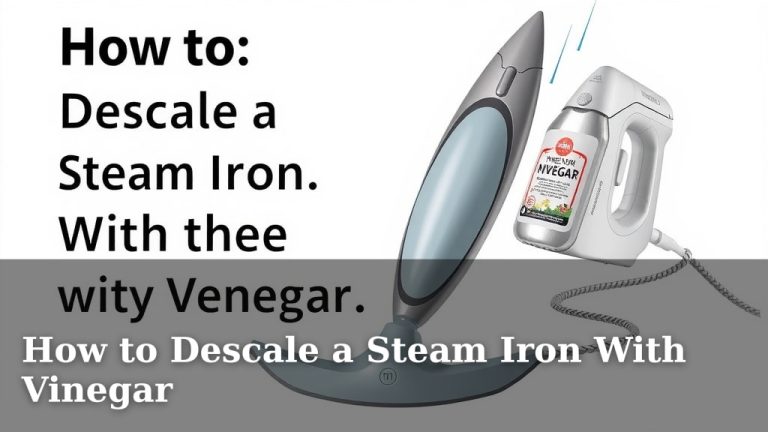
Mineral deposits are the main enemy of steam irons. This process, called descaling, removes those pesky buildup. Many irons have a self-cleaning function. You’ll typically fill the reservoir with water, heat the iron, and then hold it horizontally over a sink. Then, you’ll press a “self-clean” button and gently shake the iron. Hot, dirty water will stream out of the soleplate, taking mineral deposits with it.
Always follow your iron’s specific instructions for the self-cleaning cycle. This is crucial for safe operation. If your iron doesn’t have a self-clean function, you might need to use a solution of equal parts white vinegar and distilled water. Let it sit for a short while (check your manual), then empty and rinse thoroughly with distilled water.
We found that descaling your iron regularly can prevent spitting and mineral stains on your clothes.
A Dirty Soleplate: Causes and Cures
A sticky or dirty soleplate can snag fabric and leave marks. This often happens when synthetic fabrics melt slightly onto the hot surface. Sometimes, starch residue can also cause problems.
Gentle Cleaning Methods
Ensure the iron is unplugged and completely cool. Never try to clean a hot soleplate. For light residue, a damp cloth can work wonders. For tougher spots, try making a paste of baking soda and water. Gently rub the paste onto the affected area with a soft cloth, then wipe clean with a damp cloth.
Some sources suggest using a mild detergent diluted in water. Always wipe the soleplate dry afterward. Avoid abrasive scrubbers, which can scratch the surface.
Stubborn Stains and Melted Plastic
For melted plastic or stubborn scorch marks, things get a bit trickier. Many experts suggest using a cotton swab dipped in rubbing alcohol. Gently dab the affected area. You can also try a special iron cleaning stick, which you can find at most hardware or appliance stores. These are designed to remove residue without damaging the soleplate.
Again, always ensure the iron is cool and unplugged. Work in a well-ventilated area if using any cleaning solutions. After cleaning, it’s a good idea to run the iron over an old towel or cloth to remove any lingering residue.
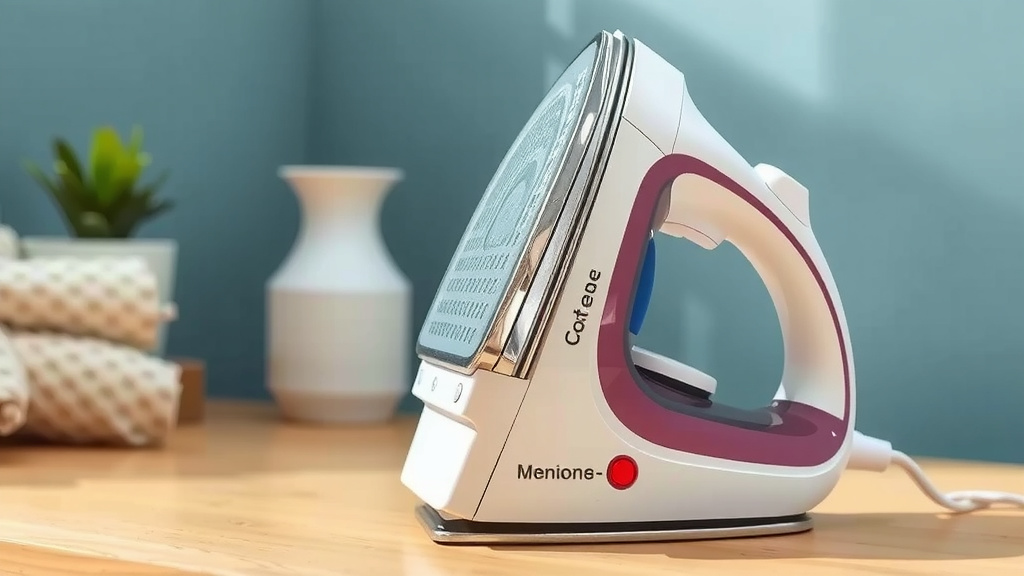
Troubleshooting Steam Output Issues
If your iron is producing weak steam or no steam at all, it’s often related to clogged steam vents. We found that this is directly linked to mineral buildup.
Checking Steam Vents
Look closely at the soleplate. Are the tiny steam vents blocked with gunk? Use a toothpick or a cotton swab to gently dislodge any visible blockages. Be careful not to damage the soleplate.
A good descaling session, as described earlier, is the best way to clear steam vents. This process forces water and steam through the vents, pushing out mineral deposits.
Quick Checklist for Your Iron Repairs
Before you give up, run through this quick checklist:
- Is the iron plugged in securely?
- Is the water reservoir filled with the correct water type (distilled is often best)?
- Have you descaled your iron recently?
- Is the power cord damaged in any way?
- Is the soleplate clean and free of residue?
- Are the steam vents clear of visible blockages?
Conclusion
You’ve learned that many common steam iron problems are fixable with a little DIY effort. From spitting water to a dirty soleplate, these issues often stem from simple causes like mineral buildup or residue. By regularly descaling your iron and using the right water, you can prevent many problems before they start. If your iron isn’t heating, a quick check of the power cord is essential, but internal heating element issues might mean it’s time for a replacement. With these easy repair tips, you can extend the life of your steam iron and keep your clothes looking crisp!
Frequently Asked Questions
How often should I descale my steam iron?
We recommend descaling your steam iron at least once a month, especially if you use tap water. If you notice your iron starting to spit water or leave mineral stains, it’s a definite sign it’s time to descale. Regular descaling helps maintain optimal steam production and prevents clogs.
Can I use vinegar to descale my iron if it doesn’t have a self-clean function?
Yes, a solution of equal parts white vinegar and distilled water can be used for descaling. Always consult your iron’s manual first. After using vinegar, make sure to thoroughly rinse the reservoir with distilled water to remove any lingering vinegar smell or residue.
My iron is leaking water, but I’m using distilled water. What else could be wrong?
If you’re using distilled water and still experiencing leaks, check that the water reservoir isn’t overfilled. Ensure the iron is upright when not in use and that the cap is securely closed. Sometimes, a worn-out seal can also cause leaks, which might mean it’s time for a new iron.
What should I do if my iron leaves brown stains on clothes?
Brown stains are usually caused by mineral deposits or residue from the soleplate. First, ensure your iron is unplugged and cool, then clean the soleplate using a gentle method like a baking soda paste. Follow this with a thorough descaling process to clear out any internal buildup that might be causing the stains.
Is it safe to try and fix an electrical problem with my steam iron?
No, electrical issues, especially with the power cord or internal heating components, are not safe for DIY repair. If you suspect an electrical fault, such as a damaged cord or an iron that won’t heat up after checking the plug, it’s best to replace the appliance. Your safety is the top priority.