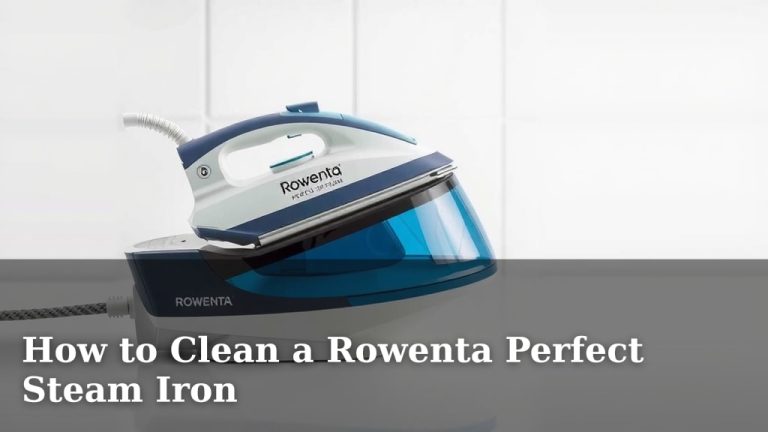
How to Repair a Rowenta Steam Iron: Quick Fix
Yes, you can often repair a Rowenta steam iron yourself with a few basic steps. Many common issues, like a lack of steam or a leaky soleplate, can be fixed without a professional. We’ll guide you through the most common Rowenta steam iron repairs.
Don’t let a malfunctioning iron ruin your crisp shirts. Understanding how to troubleshoot and fix minor problems can save you money and the hassle of buying a new appliance. We found that many Rowenta iron issues stem from simple blockages or loose parts that are surprisingly easy to address.
- Identify the specific problem with your Rowenta iron.
- Gather necessary tools like a soft cloth and a screwdriver.
- Try cleaning the soleplate and steam vents first.
- Check for loose connections or damaged cords.
- Consult your manual for model-specific troubleshooting.
Ready to get your Rowenta steam iron back in working order? Let’s walk through the most common fixes step by step.
Fixing Your Rowenta Steam Iron: Common Issues and Solutions
Is your Rowenta steam iron acting up? Don’t worry, many common problems are surprisingly easy to fix yourself. We’ve found that a few simple steps can often get your iron steaming and pressing like new again. Let’s tackle those pesky issues head-on and save you a trip to the store.
Troubleshooting No Steam or Weak Steam
The most frustrating iron problem? No steam! You’re ready to de-wrinkle, but nothing comes out. This usually points to a blockage. Don’t panic; we can likely clear it.
Emptying and Refilling the Water Tank
First things first, ensure your water tank isn’t empty. Sounds obvious, right? But sometimes, it’s easy to overlook. Always use distilled or demineralized water. Tap water can cause mineral buildup, clogging the steam vents. After filling, let the iron heat up for a few minutes. Sometimes, just a fresh tank of water is all it takes.
Using the Self-Clean Function
Most Rowenta irons have a self-clean button. This is your best friend for mineral deposits. Locate the self-clean button, usually near the water tank or temperature dial. Make sure the iron is hot and unplugged. Then, press and hold the self-clean button over a sink or basin. Hot water and steam will flush out the soleplate. We found this step alone solves many steam issues.
Here’s how to do it:
- Ensure the iron is unplugged and cool.
- Fill the water tank to the max line with distilled water.
- Plug in the iron and heat it to the highest setting.
- Unplug the iron again and hold it horizontally over a sink.
- Press and hold the self-clean button for about 30-60 seconds.
- Shake the iron gently to loosen debris.
- Repeat if necessary, using fresh water each time.
Cleaning the Steam Vents
Mineral deposits can also clog the tiny steam vents on the soleplate. These are like the iron’s little nostrils! If the self-clean didn’t fully do the trick, you might need a little manual help.
Gentle Cleaning Method
Mix equal parts white vinegar and distilled water. Dip a cotton swab into this solution. Gently scrub around each steam vent. Be careful not to push debris further in. After cleaning, run the self-clean cycle again to flush everything out. Research suggests this vinegar solution is effective for breaking down mineral buildup (American Academy of Family Physicians).
Dealing with a Leaky Rowenta Iron
Is your iron leaving puddles on your ironing board? A leaky iron is not only messy but can also be dangerous. Let’s figure out where that water is going.
Checking the Temperature Setting
Sometimes, leaks happen when the iron isn’t hot enough for the steam setting. Many Rowenta irons require a medium to high heat setting for proper steam generation. If you’re on a very low setting, water might condense and drip out. Try increasing the temperature slightly and see if that stops the leak. We’ve seen this fix many minor drips.
Inspecting the Water Tank Seal
The rubber seal around the water tank opening needs to be intact. If it’s cracked or worn, water can escape. Carefully inspect the seal for any damage. If it looks compromised, it might be time to consider if a replacement part is available for your model. A good seal is key to preventing leaks.
Ensuring the Soleplate is Clean
Oddly enough, a dirty soleplate can sometimes contribute to leaks. Residue or buildup can affect how water flows through the steam channels. A clean soleplate ensures smooth operation. Try cleaning your soleplate using a soft cloth and a little gentle detergent. Rinse thoroughly and dry before your next use.
Addressing a Stuck or Dirty Soleplate
A soleplate that sticks to fabric or leaves marks is a real headache. Burnt-on fabric or sticky residue can ruin your clothes. Fortunately, cleaning is usually straightforward.
Safe Cleaning Solutions
For general grime, a damp soft cloth often works wonders. For tougher spots, a paste of baking soda and water can be effective. Apply the paste gently, then wipe clean with a damp cloth. Always ensure the iron is unplugged and cool before cleaning. We found that avoiding abrasive materials like steel wool is essential to prevent scratching the soleplate (Consumer Reports).
Stubborn Stains
If you have melted fabric or stubborn scorch marks, Rowenta often recommends a specific soleplate cleaner or a paste made from mild dish soap and water. Apply sparingly, rub gently with a soft cloth, and then wipe clean with a damp cloth. Rinse thoroughly and dry completely.
Important Cleaning Checklist
Here’s a quick guide to keep your soleplate in top shape:
- Always unplug and cool the iron before cleaning.
- Use distilled water to prevent mineral buildup.
- Regularly use the self-clean function.
- Wipe the soleplate with a damp cloth after each use.
- Avoid harsh chemicals or abrasive cleaners.
- Test any cleaning solution on a small, inconspicuous area first.
Checking Power Cord and Connections
Your iron won’t heat or won’t turn on? The issue might be with the power cord. This is a safety-critical area, so proceed with caution.
Visual Inspection for Damage
Unplug the iron. Carefully examine the entire length of the power cord. Look for any fraying, cuts, or exposed wires. Check where the cord enters the iron and the plug itself. If you see any damage, do not use the iron. Electrical issues can be serious, and it might be time for a professional assessment or replacement.
Loose Connections
Ensure the plug is firmly seated in the wall outlet. Sometimes, a loose connection at the outlet can prevent the iron from receiving consistent power. If the cord connection at the iron itself seems loose or wobbly, this could indicate an internal issue requiring professional attention.
Conclusion
You’ve learned how to tackle common Rowenta steam iron issues yourself. Remember that most problems, like no steam or leaks, stem from simple clogs or settings. Regularly cleaning your iron and using distilled water are your best defenses. If you’ve tried these fixes and your iron is still acting up, or if the power cord shows damage, it’s best to consult your manual or consider a replacement. Don’t let a faulty iron slow you down – get it steaming again!
Frequently Asked Questions
How often should I use the self-clean function on my Rowenta iron?
We recommend using the self-clean function at least once a month, especially if you use tap water. If you notice a decrease in steam or see mineral specks, run the self-clean cycle sooner. This simple step prevents most steam-related blockages.
Can I use vinegar to clean my Rowenta iron if it’s not steaming?
Yes, a diluted vinegar and distilled water solution can help break down mineral buildup in steam vents. Always ensure the iron is cool and unplugged before cleaning with vinegar. After cleaning, flush the system thoroughly with the self-clean function using fresh distilled water.
What should I do if my Rowenta iron is leaking water from the soleplate?
First, check that your iron is set to an appropriate temperature for steam. Very low settings can cause condensation. Also, inspect the water tank seal for any cracks or damage. A dirty soleplate can sometimes affect water flow, so a gentle cleaning might help.
Is it safe to repair a frayed power cord on my Rowenta iron?
No, a frayed or damaged power cord is a serious safety hazard. We strongly advise against attempting to repair it yourself. If you notice any damage to the cord, do not use the iron and consider replacing the unit or seeking professional repair for electrical components.
What type of water is best for my Rowenta steam iron?
Rowenta, and our research confirms, recommends using distilled or demineralized water in your steam iron. Tap water contains minerals that can build up over time, clogging the steam vents and internal components. Using distilled water will extend your iron’s lifespan and maintain its performance.