How to Steam Clothes Without an Iron: Easy Tips
Yes, you can easily steam clothes without an iron! The quickest methods involve using a steamer appliance or even a hot shower to relax wrinkles from your garments. You can achieve smooth, fresh-looking clothes using a few simple tricks.
Many people think an iron is the only way to remove creases. But research and common knowledge show that heat and moisture work wonders. This guide will show you how to make your clothes look presentable with minimal effort and no ironing board required.
- Use a garment steamer for quick results.
- Hang clothes in a steamy bathroom after a shower.
- A kettle or pot of boiling water can create steam.
- Smooth fabric with your hands after steaming.
Let’s get your wardrobe looking sharp without the hassle. We’ll walk through the easiest ways to steam clothes right in your own home.
“`htmlYour Guide to Steaming Clothes Without an Iron
You’ve woken up late, and your favorite shirt is looking a bit… lived-in. Don’t panic! Many people think an iron is the only way to tackle wrinkles. But research shows that steam is a powerful tool for smoothing fabrics. You can achieve wrinkle-free clothes without breaking out the ironing board. We’ve gathered easy, effective methods to get your garments looking fresh and presentable in a flash.
The Magic of Steam: How It Works
Steam works by relaxing the fibers in your clothing. When fibers are damp and heated, they become more pliable. As they cool, they straighten out. This process effectively smooths out wrinkles. It’s like giving your clothes a quick spa treatment. Many fabric care experts agree that this is a gentle way to refresh garments. It’s especially good for delicate materials that might be damaged by direct iron heat.
Why Steam is Your Friend
- Gentle on Fabrics: Steam is less harsh than direct iron heat. It’s perfect for delicate fabrics like silk, chiffon, and certain synthetics.
- Quick and Efficient: Many steaming methods take only a few minutes. You can get ready much faster.
- Freshens Clothes: Beyond removing wrinkles, steam can help **reduce odors**. It’s like a mini-dry clean at home.
- Portable: Many steaming tools are compact. You can even take them on the go.
Top Methods for Steaming Clothes at Home
1. Using a Garment Steamer: The Speedy Solution
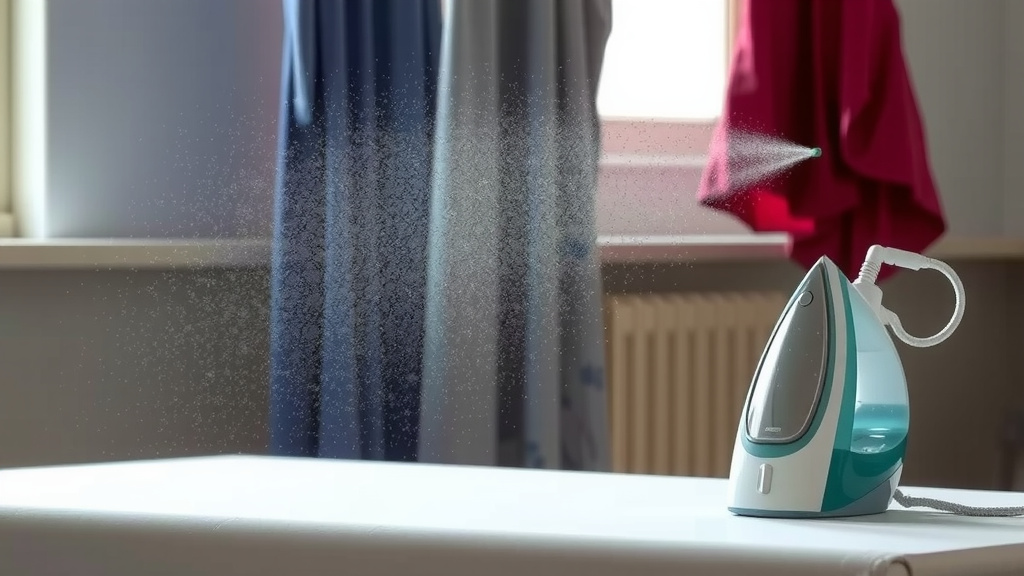
A garment steamer is your best bet for consistent, professional results. These handy appliances are designed specifically for this purpose. They use heated water to produce a powerful jet of steam.
How to Use a Garment Steamer
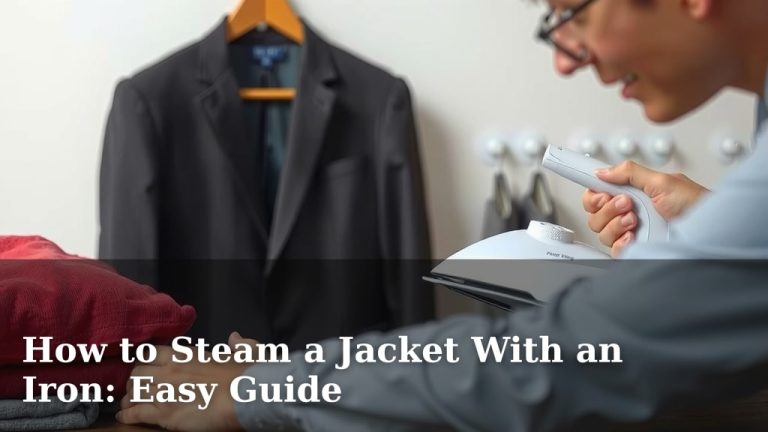
Using one is incredibly straightforward. First, fill the water tank. Most steamers use tap water, but check your manual for specific recommendations. Hang your garment on a sturdy hanger. Hold the steamer wand a few inches away from the fabric. Move it slowly up and down the clothing. You’ll see wrinkles disappear as the steam hits them. Ensure you keep the steamer moving to avoid overheating any one spot.
Types of Garment Steamers
There are two main types:
- Handheld Steamers: These are compact and great for travel or quick touch-ups. They heat up fast and are easy to maneuver.
- Standing/Upright Steamers: These usually have a larger water tank and a more powerful steam output. They’re ideal for tackling larger loads of laundry or heavier fabrics.
Many consumer reviews suggest handheld steamers are excellent for everyday use. They offer a good balance of power and portability.
2. The Bathroom Steam Trick: Leverage Your Shower
Don’t have a steamer? No problem! Your bathroom can become a steam chamber. This method is surprisingly effective for light wrinkles. It requires no special equipment, just your daily routine.
How to Steam Clothes in the Bathroom
Start by running a hot shower. Close the bathroom door and the ventilation fan. Let the room fill with steam for about 10-15 minutes. While the steam builds, hang the wrinkled garment on a hanger. Place it on a hook or the shower curtain rod, well away from direct water spray. Once the bathroom is nice and steamy, turn off the shower. Leave the garment hanging in the steamy room for another 10-15 minutes. The moisture and heat will help relax the fabric fibers.
Tips for Maximum Steam Power
- Hang clothes where they can catch the steam directly.
- Avoid letting water splash onto the garment.
- For tougher wrinkles, you might need to repeat the process.
This method is a lifesaver when you’re in a pinch and need to look presentable quickly. Many people find this an easy way to refresh clothes without any extra cost.
3. Using a Kettle or Pot: Boiling Water Power
A kettle or a pot of boiling water can also be a source of effective steam. This method requires a bit more caution due to the direct heat from boiling water. Always be mindful of your safety.
Steps for Kettle/Pot Steaming
First, fill a kettle or pot with water. Bring the water to a boil. Once it’s steaming, carefully hold the wrinkled part of your garment about 6-10 inches above the steam. Keep the fabric taut with your other hand. Move the garment slowly through the steam. You should see wrinkles begin to fall. Be patient; this can take a few minutes per section. Ensure the water doesn’t boil dry, and always keep your hands and face away from the direct steam to avoid burns.
Safety First!
This is a key point. Boiling water can cause serious burns. Always use a pot holder or oven mitt when handling a hot pot. Never let children or pets near the boiling water. For this reason, many find garment steamers a safer alternative.
Finishing Touches: Smoothing and Drying
Gentle Smoothing
After steaming, some fabrics might still have slight creases. Gently smooth the fabric with your hands while it’s still slightly damp. You can also use a clean, dry towel to press out any remaining wrinkles. This step helps ensure a perfectly smooth finish.
Allowing Clothes to Dry
It’s important to let your steamed clothes air dry completely. Hanging them on a hanger is the best way to do this. Avoid wearing or folding them while they are still moist. Allowing them to dry naturally helps them retain their newly smoothed shape. Proper drying prevents new wrinkles from forming and ensures your effort pays off.
Quick Checklist for Steaming Success
- Choose your method: Steamer, bathroom, or kettle.
- Hang it up: Use a sturdy hanger.
- Apply steam: Hold at the right distance.
- Move slowly: Don’t rush the process.
- Smooth by hand: For any stubborn creases.
- Air dry completely: Let the fabric set.
Conclusion
You’ve seen how easy it is to get your clothes looking their best without an iron. Whether you choose a quick garment steamer, the steamy bathroom trick, or even a kettle, you have options. These methods work by relaxing fabric fibers with heat and moisture. Remember to gently smooth and let your clothes air dry completely. Now you can tackle wrinkles with confidence and speed. Try one of these simple steaming techniques today to refresh your wardrobe!
Frequently Asked Questions
What is the fastest way to steam clothes without an iron?
The fastest method is generally using a handheld garment steamer. These devices heat up quickly and deliver a powerful steam jet directly to wrinkles. You can often steam a whole shirt in just a few minutes.
Can I hang clothes in the bathroom while I shower without getting them wet?
Yes, you can. Hang your garment on a hook or the shower curtain rod, ensuring it’s far enough away from the direct spray. The steam from the shower will still reach the fabric and help remove wrinkles.
How do I avoid getting burned when using a kettle or pot for steaming?
Always keep a safe distance of 6-10 inches between the steam and your clothing. Use oven mitts or pot holders when handling the hot pot or kettle. Never lean directly over the steam source, and keep children and pets away.
Will steaming remove all types of wrinkles?
Steaming is excellent for light to moderate wrinkles and refreshing fabrics. For very deep or set-in creases, an iron might still be more effective. However, steaming can significantly reduce even tough wrinkles.
Can I steam delicate fabrics like silk or chiffon?
Yes, steaming is a great way to refresh delicate fabrics because it’s gentler than direct iron heat. Always test a small, inconspicuous area first, and keep the steamer moving to avoid prolonged heat exposure.