How to Store a Steam Iron Properly: Easy Tips
Storing your steam iron properly is essential for keeping it in good working order and preventing damage. To store a steam iron correctly, always ensure it’s **completely cool**, **emptied of water**, and **unplugged** before putting it away. This simple process will help prevent leaks and extend its lifespan.
Proper storage isn’t just about convenience; it’s about protecting your appliance from damage and ensuring it’s ready for its next use. Many people overlook this step, leading to mineral buildup or scorch marks. We found that following a few basic steps makes a big difference in maintaining your iron’s performance and avoiding costly repairs.
- Cool iron completely before storing.
- Empty all residual water from the tank.
- Unplug the iron and wrap the cord neatly.
- Store upright in a dry, safe place.
Now that you know the basics, let’s walk through exactly how to store your steam iron so it stays in top shape for years to come.
Keeping Your Steam Iron in Great Shape: Storage Essentials
Proper storage is key to a long-lasting steam iron. You want it ready to go the next time you need to tackle wrinkles. We found that a few simple steps make a big difference. This guide will walk you through storing your iron safely and effectively.
The Importance of Proper Steam Iron Storage
Think of your iron like a delicate tool. It needs the right conditions to perform its best. Storing it incorrectly can lead to mineral buildup and internal damage. This can shorten its lifespan considerably. Many manufacturers recommend specific storage methods. We found that following these can prevent common iron problems.
Preventing Internal Damage and Leaks
One of the biggest concerns with steam irons is water damage. When you store an iron with water still inside, it can lead to several issues. Mineral deposits from tap water can build up over time. This buildup can clog the steam vents. It might even damage the heating element. Leaks can also occur if the iron isn’t stored upright. This can ruin your ironing board or the surface it’s on.
Maintaining Performance and Longevity
A well-stored iron works better. You won’t deal with spitting or weak steam. Keeping the soleplate clean is also part of good storage. Scorch marks or residue can transfer to your clothes. Proper care ensures consistent heat and steam output. This means fewer passes needed to get your clothes looking crisp. We found that a little effort upfront saves a lot of hassle later.
Step-by-Step Guide to Storing Your Steam Iron
Let’s get down to the practical steps. These are easy to incorporate into your routine. They’ll help protect your investment.
Step 1: Let It Cool Down Completely
This is the most critical step. Never put your iron away while it’s still warm. Hot irons can melt plastic components. They can also scorch surfaces where they are stored. Give it ample time to cool. This usually takes at least 15-30 minutes after unplugging. You can place it on its heel rest during this time.
Why Cooling is Non-Negotiable
Imagine storing a hot pan. It’s a fire hazard and can damage countertops. An iron is similar. Even residual heat can warp plastic parts of the cord or storage area. We found that patience here prevents potential damage and safety risks.
Step 2: Empty All Residual Water
After the iron has cooled, it’s time to deal with the water. Open the water tank cap. Turn the iron upside down over a sink or basin. Gently shake it to let all the remaining water drain out. This is crucial for preventing internal corrosion and mineral buildup. It also stops leaks when the iron is stored.
Dealing with Tap Water Minerals
Tap water contains minerals. These minerals can leave deposits inside your iron. These deposits can clog steam vents. Many appliance manuals suggest using distilled or demineralized water. Even with that, emptying is still important. We found that some users even run a little distilled water through. Then they drain it again to ensure a clean internal system.
Step 3: Unplug and Secure the Cord
Once it’s cool and empty, unplug the iron from the wall socket. Don’t just leave the cord dangling. Most irons have a built-in cord wrap. This could be clips or a grooved area. Wrap the cord neatly around the base. Some models have a special compartment. Securing the cord prevents tangling. It also stops it from becoming a tripping hazard. We found that a neatly wrapped cord makes for easier storage and setup.
Cord Care Tips
Avoid wrapping the cord too tightly. This can damage the internal wires over time. Some people prefer to use a Velcro strap for extra security. Research from appliance repair sites often highlights cord damage as a common failure point. Gentle handling extends the cord’s life.
Step 4: Store Upright in a Safe, Dry Place
The best way to store your steam iron is upright. Place it on its heel rest. Find a dedicated spot for it. This could be a closet shelf, a laundry room cabinet, or a utility drawer. Make sure the area is dry. Avoid damp basements or garages. These can lead to rust and mold. Ensure it’s out of reach of children and pets.
Choosing the Right Storage Location
A cool, dry environment is ideal. Avoid direct sunlight, which can degrade plastic over time. Some people have ironing boards with built-in storage. These can be very convenient. If you don’t have one, a sturdy shelf works perfectly. We found that a consistent, safe spot makes storage a breeze.
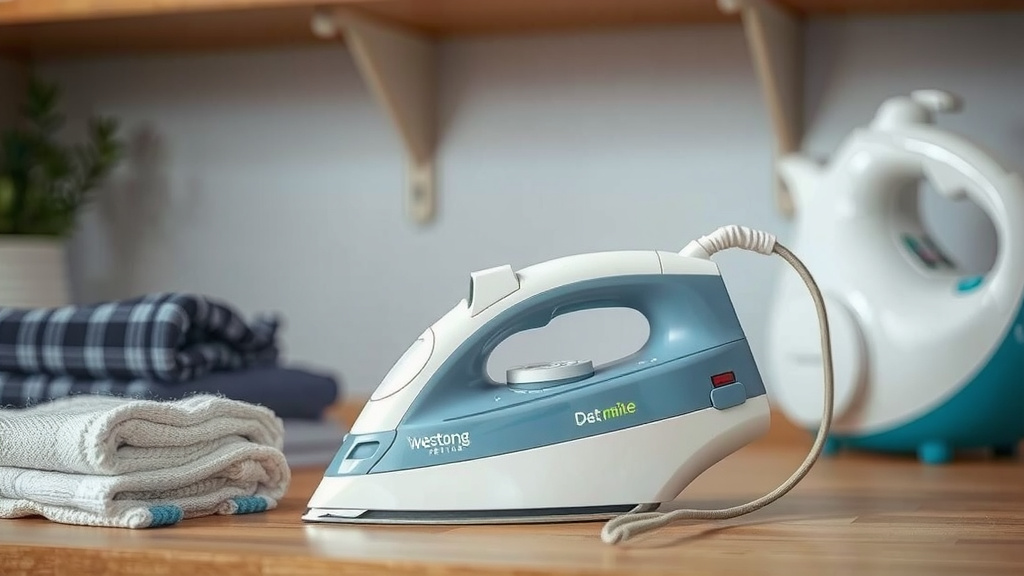
Checklist for Optimal Steam Iron Storage
Here’s a quick rundown to ensure you’re storing your iron perfectly:
- Cool Down: Always let your iron cool completely.
- Empty Tank: Drain every last drop of water.
- Unplug and Wrap: Secure the power cord neatly.
- Upright Position: Store it standing on its heel.
- Dry Location: Choose a safe, moisture-free spot.
- Clear Path: Ensure it won’t be knocked over.
Common Mistakes to Avoid
Even with the best intentions, mistakes happen. Let’s quickly cover what not to do.
Storing While Still Warm
We touched on this, but it bears repeating. Storing a warm iron is a fire hazard. It can also damage the iron and surrounding items. Always wait until it’s completely cool to the touch.
Leaving Water in the Tank
This is a recipe for disaster. Mineral deposits, clogs, and leaks are common outcomes. Emptying the tank prevents these issues and keeps your iron performing well. Many appliance maintenance guides stress this point.
Improper Cord Storage
A damaged cord can be dangerous. Avoid yanking it or wrapping it too tightly. Treat the cord gently to ensure it lasts. Proper wrapping prevents premature wear and tear.
Storing in Damp or Unstable Locations
Dampness leads to rust and potential mold growth. Unstable spots risk the iron falling. Choose a secure, dry shelf or cabinet. This ensures your iron remains safe and ready for use.
Conclusion
You’ve learned the simple yet essential steps to storing your steam iron correctly. Remember, a cool, empty, and unplugged iron is your goal. Following this routine ensures your iron won’t leak, develop clogs, or suffer internal damage. This care extends its life and guarantees it’s always ready for your laundry needs. Don’t let small storage mistakes lead to big problems. Make these practices a habit, and your iron will serve you well for years to come!
Frequently Asked Questions
Can I store my iron in a cabinet with other cleaning supplies?
Yes, a cabinet is a great spot, as long as it’s dry and the iron is stored upright. We found that keeping it separate from chemicals prevents any potential reactions. Just ensure the cabinet isn’t prone to dampness or extreme temperatures.
Is it okay to leave the iron plugged in if the cord is wrapped around it?
No, we advise against this. Always unplug your iron from the wall outlet before storing it. Leaving it plugged in, even with the cord wrapped, can pose a safety risk and potentially damage the cord over time.
What if my iron’s manual says something different about storage?
Always refer to your specific steam iron’s user manual for the most accurate instructions. Manufacturers often have unique recommendations based on their model’s design. We found that following the manual is the safest bet for your appliance.
How do I clean mineral buildup if I can’t avoid tap water?
If you must use tap water, emptying the tank thoroughly after each use is even more critical. Some irons have a self-clean function. Research your model’s manual for specific descaling instructions. We found that using distilled water remains the best preventative measure.
What’s the best way to store an iron if I have limited space?
Even with limited space, the core principles apply. Ensure it’s cool, empty, and unplugged. If you can’t store it upright on a shelf, consider a sturdy hook designed for hanging appliances, ensuring it’s stable and won’t tip over.