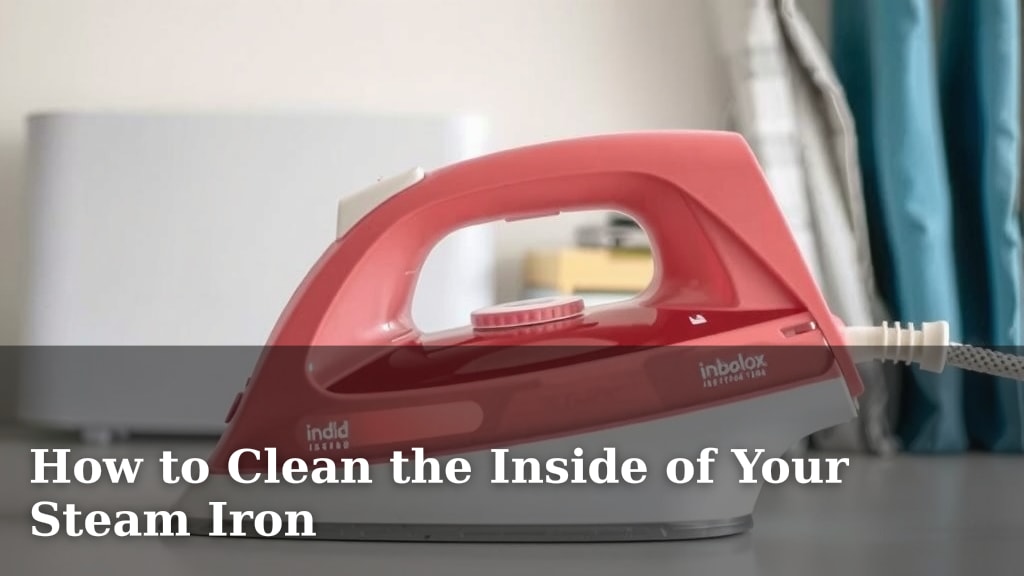
How to Clean the Inside of Your Steam Iron
The easiest way to clean the inside of your steam iron is with a simple solution of vinegar and water. This method effectively removes mineral buildup and residue that can clog steam vents and stain your clothes. You can also use a commercial iron cleaner for stubborn stains. Getting your iron sparkling clean ensures smoother ironing sessions and protects your fabrics from unsightly brown spots.
Mineral deposits from tap water are the usual culprits behind a dirty iron soleplate. Over time, these can create blockages, leading to weak steam or no steam at all. Many experts recommend regular cleaning to maintain your iron’s performance and extend its lifespan. Keeping your iron’s soleplate smooth and clean is key to achieving professional-looking results right at home.
- Use a 50/50 mix of white vinegar and distilled water.
- For stubborn stains, try a commercial iron cleaner or a paste of baking soda and water.
- Always unplug your iron and let it cool down first.
- Wipe the soleplate clean with a soft cloth.
- Run a steam cycle to flush out any remaining residue.
Ready to get your iron back in top shape? Let’s walk through exactly how to clean its interior, step by step, so you can get back to wrinkle-free clothes.
Keeping Your Steam Iron’s Interior Sparkling Clean
You’ve probably experienced it: that frustrating moment when your iron suddenly spits out brown gunk onto your favorite shirt. It’s a common problem, but thankfully, an easy one to fix. Cleaning the inside of your steam iron regularly keeps it working efficiently. It also protects your clothes from unsightly stains and damage. Let’s get your iron back to its best performance.
Why Interior Iron Cleaning Matters
Mineral deposits from tap water are the main offenders. They build up inside your iron over time. This buildup can clog steam vents and reduce steam output. It can even lead to those dreaded brown stains on your laundry. Keeping the interior clean ensures your iron produces **consistent, clean steam**. This results in smoother ironing and better garment care.
The Impact of Mineral Buildup
Tap water contains minerals like calcium and magnesium. When you heat the water in your iron, these minerals are left behind. They form scale, much like in a coffee maker or kettle. This scale can harden over time. It starts to block the small holes where steam emerges. You might notice weaker steam or even complete blockages. This makes ironing less effective.
Protecting Your Fabrics
A clean iron is essential for **preserving your clothes**. When mineral deposits break loose, they often mix with residue. This mixture can come out of the steam vents as brown spots. These stains can be difficult to remove, especially from delicate fabrics. Regular cleaning prevents this from happening, keeping your garments looking fresh.
Preparing for the Cleaning Process
Before you start cleaning, there are a few important steps. Safety first! Always ensure your iron is unplugged. Let it cool down completely to avoid burns. This prevents accidental injury. Gathering your supplies beforehand also makes the process smoother. You’ll want to have everything ready before you begin.
Gathering Your Cleaning Supplies
You don’t need fancy tools for this job. Most likely, you already have the necessary items at home. Here’s what you’ll need:
- White vinegar
- Distilled water
- A soft, lint-free cloth or towel
- Cotton swabs (optional, for detailed areas)
- A small bowl or cup
Unplugging and Cooling Down
This is a **non-negotiable step**. Never attempt to clean an iron while it’s plugged in or still hot. Steam irons can reach very high temperatures. Waiting for the iron to cool ensures you won’t get burned. It also allows the internal components to contract slightly, which can help loosen some deposits.
Cleaning the Inside with Vinegar and Water
The most popular and effective method involves a simple solution. This vinegar and water mixture is powerful enough to break down mineral deposits. It’s also gentle enough not to damage your iron’s internal parts. Many appliance repair guides recommend this technique.
Creating the Cleaning Solution
Mix equal parts white vinegar and distilled water. A 50/50 ratio is ideal. For example, you could mix 1/2 cup of vinegar with 1/2 cup of distilled water. Use a clean bowl or cup to combine them. Distilled water is best because it contains no additional minerals. This prevents adding to the problem.
Filling the Water Reservoir
Pour your vinegar and water solution into the iron’s water reservoir. Fill it up to the maximum fill line indicated on your iron. Make sure not to overfill it. Some irons have a specific compartment for cleaning solutions, so check your manual if you’re unsure.
The Steam Cleaning Cycle
Once filled, plug in your iron. Set it to a medium-high heat setting. Allow the iron to heat up completely. Then, hold the iron upright over a sink or a heat-resistant surface. Press and hold the steam button for about 30-60 seconds. You should see steam and potentially some discolored water coming out. Repeat this process several times. Continue until the water reservoir is empty. This flushes out the loosened mineral deposits. You might need to refill the reservoir with fresh vinegar solution if a lot of gunk comes out.
Rinsing with Distilled Water
After you’ve used up the vinegar solution, it’s important to rinse the iron. Empty any remaining vinegar solution from the reservoir. Refill it with fresh **distilled water only**. Repeat the steam-cleaning cycle as you did before. This helps remove any lingering vinegar smell or residue. It ensures only clean steam is produced on your next use.
Tackling Stubborn Stains and Residue
Sometimes, the mineral buildup is more severe. Or, you might have burnt-on residue on the soleplate itself. For these tougher issues, you might need a slightly stronger approach.
Using Baking Soda Paste
A paste made from baking soda and water can be effective. Mix a few tablespoons of baking soda with just enough water to create a thick paste. Make sure the iron is unplugged and completely cool. Gently apply the paste to the soleplate. Avoid getting it into the steam vents. Let it sit for a few minutes. Then, wipe it away with a damp cloth. Rinse the soleplate thoroughly with a clean, damp cloth. Follow up with a steam cycle using distilled water to ensure all baking soda residue is gone.
Commercial Iron Cleaners
There are specific products designed for cleaning steam irons. These are available at most home appliance stores or online. Always follow the manufacturer’s instructions carefully. These cleaners can be very effective for tough buildup. Ensure the product is suitable for your specific iron model. Some may require a similar steam cleaning cycle.
Post-Cleaning Care and Maintenance
Once you’ve cleaned the inside, a little extra care goes a long way. This helps keep your iron in top condition for longer. It ensures you get optimal performance every time you use it.
Wiping Down the Soleplate
After each cleaning cycle, and after every few uses, wipe the soleplate clean. Use a soft, dry cloth. If there’s any residue, use a slightly damp cloth. This prevents new buildup from forming. A clean soleplate glides smoothly over fabrics.
Emptying After Use
A simple habit that makes a big difference is emptying the water reservoir after each ironing session. Don’t leave water sitting inside your iron. This **reduces the chance of mineral buildup**. It also prevents potential leaks or rust. Let the iron cool completely before storing it.
Regular Cleaning Schedule
How often should you clean your iron? If you use tap water, aim for a vinegar and water cleaning cycle every 1-2 months. If you use distilled water exclusively, you might be able to clean it less frequently, perhaps every 3-6 months. Listen to your iron – if you notice weak steam or stains, it’s time for a clean!
Quick Cleaning Checklist
Here’s a handy checklist to guide you:
- Unplug and Cool: Always start with a cool, unplugged iron.
- Mix Solution: Combine 50/50 white vinegar and distilled water.
- Fill & Heat: Pour solution into the reservoir and heat the iron.
- Steam Away: Hold upright and press steam button until empty.
- Rinse Cycle: Refill with distilled water and repeat steam cycle.
- Wipe Clean: Dry the soleplate with a soft cloth.
Conclusion
You’ve now learned how to effectively banish gunk from your steam iron’s interior. Keeping your iron clean with simple solutions like vinegar and water means better performance and no more surprise stains on your clothes. Remember to always prioritize safety by unplugging and cooling your iron before cleaning. Making a habit of regular cleaning and emptying the reservoir after each use will protect your fabrics and extend your iron’s life. Take a few minutes this week to give your iron a clean, and enjoy smoother ironing sessions!
Frequently Asked Questions
Can I use something other than vinegar to clean my iron?
Yes, you can. For very stubborn buildup, a paste of baking soda and water can be effective on the soleplate. Commercial iron cleaners are also available and designed for tougher jobs. Always follow product instructions carefully if you choose a commercial cleaner.
How often should I clean the inside of my steam iron?
If you use tap water, it’s a good idea to do a vinegar and water cleaning every 1-2 months. If you consistently use distilled water, you might extend this to every 3-6 months. Watch for signs like weak steam or brown spots, which indicate it’s time for a clean.
What if my iron manual says not to use vinegar?
Always check your iron’s manual first! Some manufacturers may have specific recommendations or warnings against using certain cleaning agents like vinegar. If vinegar is not recommended, look for alternative cleaning methods suggested by the manufacturer, such as a specialized iron cleaning product.
Why is it important to use distilled water for cleaning and regular use?
Distilled water is free of the minerals found in tap water. Using distilled water for both cleaning and regular ironing helps prevent mineral buildup from forming in the first place. This keeps your iron’s steam vents clear and your clothes stain-free.
My iron is spitting out rusty water, what does that mean?
Rusty water often indicates that mineral deposits have built up significantly and may be causing internal corrosion. It’s definitely time for a thorough cleaning. A deep clean with a vinegar and water solution should help flush out the rust. If the problem persists, there might be more serious internal damage.