How to Clean Out a Steam Iron: Easy Step-by-Step
The easiest way to clean out a steam iron is by using a simple homemade solution of white vinegar and water. This process helps remove mineral deposits and gunk that can clog the steam vents and leave stains on your clothes. You can usually clear out most common iron gunk in about 10 minutes.
Over time, tap water minerals can build up inside your iron. This buildup, often called scale, can spray brown water onto your laundry. Keeping your iron clean ensures it works effectively and prevents unsightly marks. Many experts agree that regular cleaning is key to iron longevity.
- Use a vinegar and water mix.
- Pour it into the water reservoir.
- Let it sit, then iron onto an old cloth.
- Flush with clean water afterwards.
- Wipe down the soleplate.
Ready to get your iron steaming like new again? Let’s walk through exactly how to clean it, step by step, so you can get back to wrinkle-free clothes.
Keeping Your Steam Iron Working Like New
Mineral deposits from tap water can really gum up the works inside your steam iron. This buildup, often called scale, can spray rusty or cloudy water onto your clean clothes. It’s frustrating, right? Fortunately, cleaning out your steam iron is a straightforward process that doesn’t require fancy tools. You can usually tackle this common issue in about 10 minutes with items you likely already have at home. Regular cleaning is key to extending your iron’s life (and keeping your clothes pristine).
Gathering Your Cleaning Supplies
Before you begin, let’s make sure you have everything you need. Having your supplies ready means you can move through the cleaning steps smoothly. This will prevent you from having to stop mid-process. We want this to be as easy as possible for you!
What You’ll Need
- White Vinegar
- Distilled Water
- Clean, soft cloths (like an old t-shirt or microfiber towel)
- Cotton swabs or Q-tips
- A bowl or basin
- An old towel or newspaper to protect your work surface
Step-by-Step Guide to Cleaning Your Steam Iron
Let’s get down to business! Following these simple steps will help remove any stubborn mineral deposits or gunk that might be lurking inside your steam iron. This process is safe for most steam irons, but it’s always a good idea to quickly check your iron’s manual if you’re unsure.
Preparing Your Iron
First things first, make sure your iron is unplugged and completely cool. You never want to work with a hot iron. Lay down an old towel or some newspaper on your ironing board or a flat surface. This protects your surface from any drips or spills.
Creating the Cleaning Solution
The star of our cleaning show is white vinegar. It’s a fantastic natural descaler. You’ll want to mix equal parts white vinegar and distilled water. A common ratio that works well is one part vinegar to one part distilled water. For instance, if your iron’s water reservoir holds 1 cup, mix 1/2 cup vinegar with 1/2 cup distilled water.
Why distilled water? Using distilled water for both cleaning and regular use helps prevent future mineral buildup. Tap water, especially in certain areas, can be quite hard. This means it has more dissolved minerals. Research shows that using distilled water is one of the best ways to keep your iron clean long-term (U.S. Department of Energy).
Filling the Reservoir
Carefully pour your vinegar and water mixture into the iron’s water reservoir. Don’t fill it to the brim. Fill it about halfway or to the maximum fill line, just as you would with regular water. Make sure the iron is upright and stable while you do this.
Letting the Solution Work
Now, let the mixture sit in the reservoir for about 10-15 minutes. This gives the vinegar a chance to break down any mineral deposits or gunk clinging to the inside. Think of it like letting a cleaner soak into a tough stain. Patience here makes the next steps much easier.
Draining and Ironing Out the Gunk
After the soak, gently empty the vinegar solution from the reservoir. Now, you’ll actually use the iron to help flush out the loosened deposits. Plug in your iron and set it to a medium-high heat setting. Make sure the steam function is turned on. If your iron has a “steam boost” or “burst of steam” button, that’s great to use here.
Find an old towel or a piece of scrap fabric that you don’t mind potentially getting stained. Hold the iron over this scrap material and start pressing the steam button. You’ll want to release several bursts of steam. You might even see some brown or cloudy water spray out. This is exactly what you want! It means the gunk is coming out. Keep steaming until the fabric you’re ironing over looks clean.
Stubborn Deposits? Try a Second Round
If you see a lot of residue coming out, don’t hesitate to repeat the steaming process. You can drain any remaining vinegar solution, refill with fresh vinegar/water mix, soak again, and then steam over your old cloth. Most of the time, one good round is enough.
Rinsing the Reservoir
Once you’ve steamed out the debris, unplug your iron. Empty any remaining vinegar solution from the reservoir. Now, rinse the reservoir with a small amount of fresh distilled water. Swish it around a bit, then empty it out completely.
This rinsing step is important. It removes any lingering vinegar smell or residue. You don’t want your freshly ironed clothes smelling like a salad dressing! A clean rinse ensures the next use is fresh and pure.
Cleaning the Soleplate
While you’re at it, why not give the outside of your iron a good clean? The soleplate (the flat metal bottom) can also get sticky or stained. If it looks grimy, you can gently wipe it down with a damp cloth. For tougher spots, you can use a little bit of your vinegar-water solution on the cloth. Be sure the iron is cool and unplugged before doing this.
Many experts recommend wiping down the soleplate after each use with a dry cloth. This simple habit can prevent build-up in the first place. If you encounter stubborn residue, some recommend a paste of baking soda and water. Apply it sparingly, let it sit for a minute, then wipe clean with a damp cloth. Always check your iron’s manual for specific soleplate cleaning advice.
Final Flush with Distilled Water
To ensure absolutely no vinegar remains and to check that the steam vents are clear, fill the reservoir with clean distilled water. Plug in the iron, let it heat up, and steam over an old towel. Release several bursts of steam. If only clear steam comes out, you’re golden! This final flush confirms everything is working correctly and the steam is pure.
Don’t Forget the Steam Vents
Sometimes, mineral deposits can get stuck in the little holes where the steam comes out. Use a cotton swab dipped in your vinegar-water solution to gently clean around and inside these vents. Be careful not to push debris further in. A dry cotton swab can clean up any excess moisture afterward.
Quick Checklist for Iron Maintenance
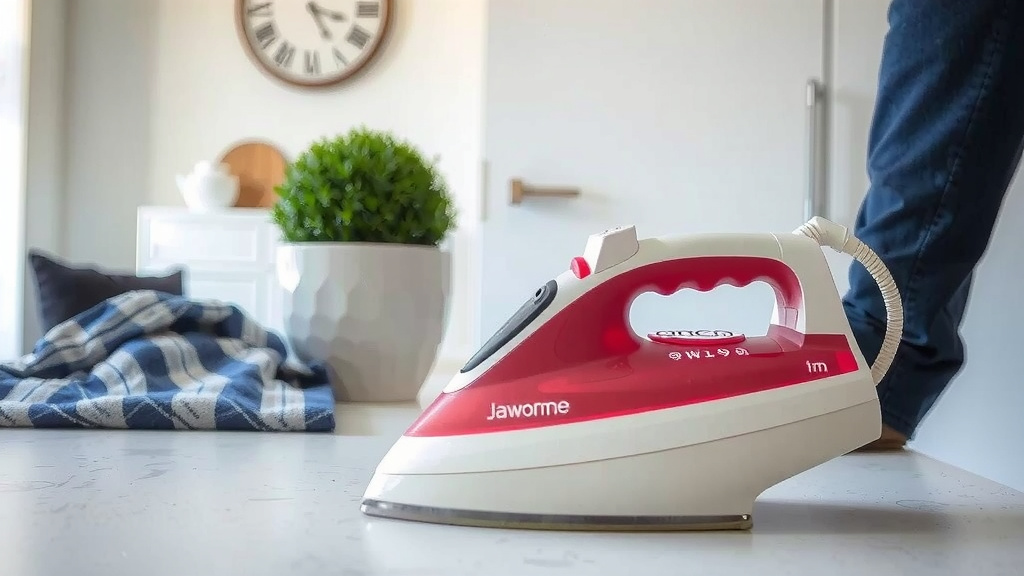
To keep your iron in tip-top shape, consider this quick maintenance checklist:
- Always use distilled water.
- Empty the reservoir after each use.
- Wipe the soleplate clean after it cools.
- Perform a vinegar flush every 1-3 months (depending on water hardness).
- Inspect steam vents for blockages.
Conclusion
You’ve now learned the simple, effective way to banish mineral buildup and gunk from your steam iron. By using a basic vinegar and water solution, you can revive your iron’s steaming power and protect your clothes. Keeping your iron clean means fewer stains and a longer lifespan for your appliance. So, the next time you notice your iron sputtering or leaving marks, you know exactly what to do!
Your actionable next step? Grab those supplies and give your iron a quick clean. Your laundry days will thank you for it.
Frequently Asked Questions
How often should I clean my steam iron?
It’s best to clean your steam iron every 1 to 3 months. This frequency depends on how hard your tap water is and how often you use your iron. Regular cleaning prevents major blockages and keeps your iron performing at its best.
Can I use a different type of vinegar?
White vinegar is recommended because it’s a mild acid that effectively breaks down mineral deposits. While other vinegars are acidic, white vinegar is typically pure and doesn’t contain added colors or flavors that could potentially stain your iron or clothes.
What if my iron’s manual says not to use vinegar?
Always check your iron’s manual first! Some manufacturers have specific cleaning instructions or recommend different descaling solutions. If your manual advises against vinegar, look for a manufacturer-approved descaling product designed for steam irons. Using the wrong cleaner could damage your appliance.
Why is it important to use distilled water?
Distilled water has had minerals removed, unlike tap water. Using distilled water for both ironing and cleaning helps prevent future mineral buildup. This is one of the easiest ways to keep the inside of your iron clear and prolong its life.
My iron still spits brown water after cleaning, what should I do?
If you’ve followed the cleaning steps and brown water persists, you might have very stubborn deposits. Try repeating the vinegar soak and steam-out process. Ensure you are using enough bursts of steam over an old cloth to really flush out the loosened gunk.