How to Clean Out a Steam Iron: Easy Guide
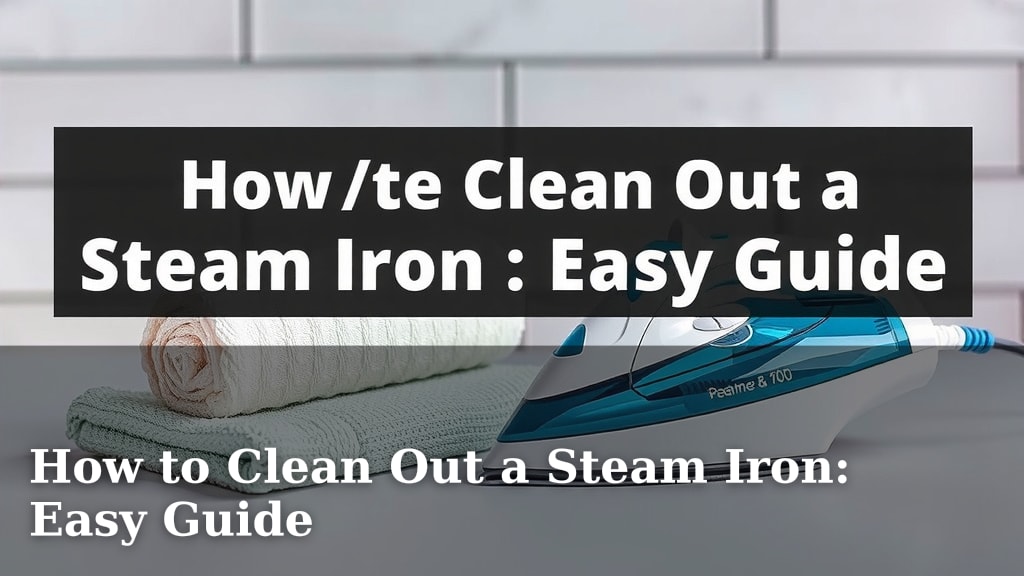
The easiest way to clean out a steam iron is to use a bit of vinegar and water. This simple mix can remove mineral buildup and prevent those dreaded brown spots from appearing on your clothes. You want your iron to glide smoothly, right? Let’s get it working like new again.
Over time, minerals from tap water can clog your iron’s steam vents. This buildup can lead to weak steam or no steam at all. Keeping your iron clean ensures it heats evenly and releases steam properly. This means smoother ironing for you.
- Vinegar and water is your best friend.
- Unplug your iron first. Safety first!
- Empty the water tank completely.
- Wipe down the soleplate regularly.
- Check steam vents for clogs.
Ready to tackle that gunk? Let’s walk through exactly how to clean your steam iron, step by step.
Keeping Your Steam Iron in Tip-Top Shape
A clean steam iron means crisper clothes and less frustration. You want your iron to glide smoothly, right? This guide will show you how to get it working like new again. We’ll cover the simple steps to remove buildup and keep your iron functioning at its best.
Why Regular Iron Maintenance Matters
Mineral deposits from tap water are the sneaky culprits behind a sluggish iron. Over time, these minerals build up inside your iron. This gunk can clog the steam vents. It might also cause unsightly brown spots on your clean laundry. Keeping your iron clean ensures it heats evenly and releases steam properly. This means smoother ironing for you.
Understanding Mineral Buildup
Most tap water contains minerals like calcium and magnesium. When you heat this water in your iron, these minerals are left behind. They stick to the metal parts inside the water tank and heating element. Eventually, they can form a hard scale. This scale blocks the tiny holes that produce steam. Regular cleaning prevents this buildup from becoming a major problem.
The Benefits of a Clean Iron
A well-maintained steam iron offers several advantages. First, you’ll get consistent, strong steam. This helps to remove wrinkles much more effectively. Second, you’ll avoid damaging your clothes with mineral deposits or rust. Third, your iron will likely last longer. It’s a simple task that pays off in better results and longevity.
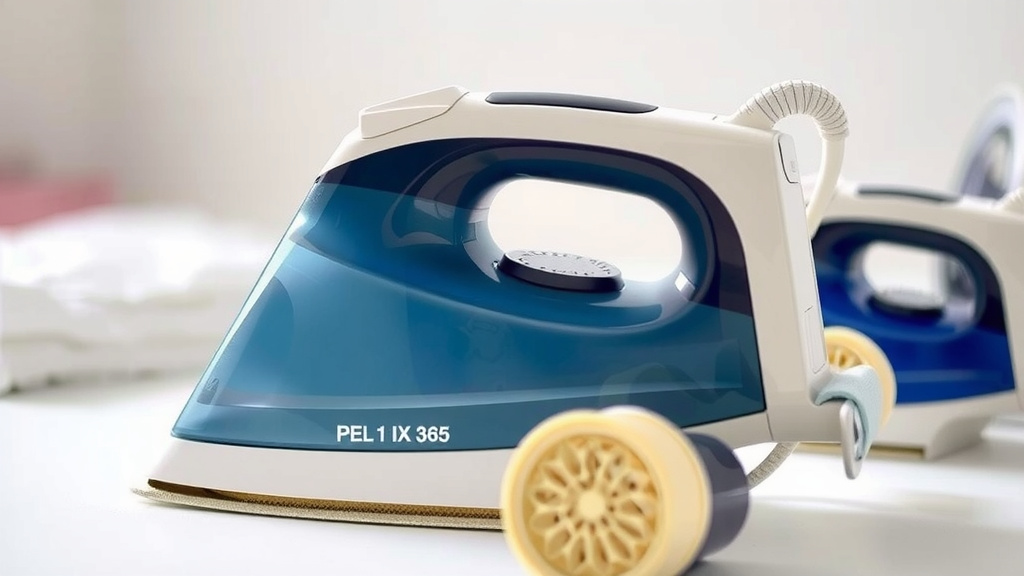
Your Step-by-Step Guide to Cleaning Your Steam Iron
Ready to give your iron a spa day? It’s easier than you might think. You probably have most of what you need already.
Gather Your Cleaning Supplies
Before you start, make sure you have these items on hand:
- White distilled vinegar
- Water
- A soft cloth or old towel
- Cotton swabs (optional, for vents)
- A small bowl
Safety First: Unplug and Cool Down
This is the most important step. Always unplug your iron from the wall outlet. Let the iron cool down completely. You don’t want to burn yourself or damage the appliance. Wait until it’s cool to the touch before proceeding with any cleaning. This ensures your safety throughout the process.
Empty the Water Tank
Carefully empty any remaining water from the reservoir. Do this over a sink. If there’s any leftover vinegar solution, empty that too. A clean, empty tank is essential for the next steps. Ensure no water or cleaning solution remains inside the tank.
The Vinegar and Water Method for the Interior
This is where the magic happens. Many manufacturers recommend this method for internal cleaning. It’s highly effective at dissolving mineral deposits.
Preparing the Cleaning Solution
Mix equal parts of white distilled vinegar and water in a small bowl. For example, you can use 1/2 cup of vinegar and 1/2 cup of water. This ratio is generally effective for most irons. Avoid using harsh chemicals, as they can damage the iron’s internal components.
Filling the Water Tank
Carefully pour the vinegar and water mixture into the iron’s water tank. Fill it up to the maximum fill line indicated on the iron. Make sure you don’t overfill it. The solution needs to reach all the internal parts.
Steaming Out the Buildup
Plug the iron back in. Set it to a medium-high heat setting. Allow the iron to heat up. Once hot, hold the iron horizontally over a sink or an old towel. Press and hold the steam button. Let the steam release for about 30 seconds to a minute. You might see some discolored water or debris come out. Repeat this steaming process several times. You want to flush out as much loosened buildup as possible.
Rinsing the Tank
Unplug the iron again. Let it cool down completely. Empty the vinegar-water mixture from the tank. Now, fill the tank with fresh, clean water. Plug the iron back in and heat it up again. Steam out the clean water over a sink or towel. Do this until you no longer smell any vinegar. This step is vital for rinsing out any residual cleaning solution. It ensures no vinegar smell transfers to your clothes.
Cleaning the Soleplate (The Bottom Part)
The soleplate can get grimy too. Burnt-on fabric or residue can affect how smoothly it glides. You want a clean surface for perfect pressing.
For Minor Stains and Scorch Marks
Once the iron is completely cool and unplugged, use a soft, damp cloth. Gently wipe the soleplate. For tougher spots, you can try a paste of baking soda and water. Apply the paste to the stain and gently rub with a soft cloth. Wipe clean with a damp cloth afterward. Many experts suggest this gentle approach (Cleveland Clinic).
Using a Commercial Soleplate Cleaner
If you have stubborn residue, a dedicated soleplate cleaner might be necessary. Follow the product instructions carefully. These cleaners are designed to remove sticky or burnt-on material without damaging the surface. Always test on an inconspicuous area first if possible.
Cleaning the Steam Vents
Look closely at the small holes on the soleplate where the steam comes out. You might see mineral deposits stuck there. Dip a cotton swab in the remaining vinegar-water solution (or just water). Gently poke and clean the steam vents. This helps ensure the steam can escape freely.
Final Wipe-Down and Storage
After all the cleaning, give the entire iron a final wipe with a dry, soft cloth. Ensure all parts are dry. Store your iron upright in a cool, dry place. Never store it with water left in the tank, as this can encourage mold or mineral buildup. Proper storage helps maintain its condition.
Iron Cleaning Checklist
To make sure you don’t miss a step, keep this quick checklist handy:
- Unplug iron and let it cool.
- Empty all water from the tank.
- Mix vinegar and water (1:1 ratio).
- Fill tank, heat iron, and steam to flush.
- Rinse tank with clean water and steam.
- Clean the soleplate gently.
- Wipe down the iron and store dry.
Conclusion
You’ve learned how simple it is to give your steam iron a much-needed refresh. By using common household items like vinegar and water, you can effectively combat mineral buildup and ensure your iron performs at its best. Keeping your soleplate clean and vents clear means smoother ironing and crisper results. Don’t let a dirty iron cause you frustration. Take a few minutes today to follow these steps and restore your iron’s gliding power. Your clothes will thank you!
Frequently Asked Questions
Can I use something other than white vinegar?
While white distilled vinegar is recommended for its effectiveness against mineral buildup, some sources suggest using a mixture of water and a mild dish soap for external cleaning of the soleplate. However, for the internal cleaning of the water tank and steam vents, vinegar is generally the safest and most recommended option by manufacturers.
How often should I clean my steam iron?
It’s a good practice to clean your steam iron every 1-3 months, depending on your usage and the hardness of your tap water. If you notice reduced steam output or brown spots on your clothes, it’s definitely time for a cleaning, regardless of the schedule.
My iron still smells like vinegar after cleaning. What should I do?
If you can still smell vinegar after rinsing, repeat the rinsing step. Fill the tank with fresh water, heat the iron, and steam it out completely over a sink or old towel. Continue this process until the vinegar odor is gone. Ensure you’ve thoroughly steamed out all the clean water to remove any lingering scent.
Is it safe to use distilled water in my iron instead of tap water?
Yes, using distilled water is often recommended by iron manufacturers. Distilled water has had minerals removed, which significantly reduces the chance of mineral buildup inside your iron. This can extend the life of your iron and reduce the frequency of cleaning needed.
What if my iron has a self-cleaning button?
Many modern steam irons come with a self-cleaning function. If yours does, always refer to your iron’s specific user manual for instructions on how to use it. Typically, you’ll fill the tank with water, heat the iron, and then press the self-clean button, allowing the iron to empty itself over a sink to flush out impurities.