How Do Steam Generator Irons Work? A Complete Guide to Understanding This Game-Changing Technology
Have you ever wondered why some people can finish ironing a week’s worth of clothes in half the time it takes you? The secret often lies in a powerful piece of equipment that’s been quietly revolutionizing laundry rooms for years: the steam generator iron. But what exactly makes these devices so special, and how do they actually work their magic on wrinkled fabrics? Let me walk you through the fascinating mechanics behind this innovative technology.
Understanding the Basic Concept of Steam Generator Irons
Before we dive deep into the inner workings, let’s establish what we’re really talking about here. A steam generator iron isn’t just your grandmother’s iron with some fancy additions. It’s a completely different beast altogether. Think of it as the difference between a regular kettle and an espresso machine—both produce hot water, but one delivers it with significantly more power and precision.
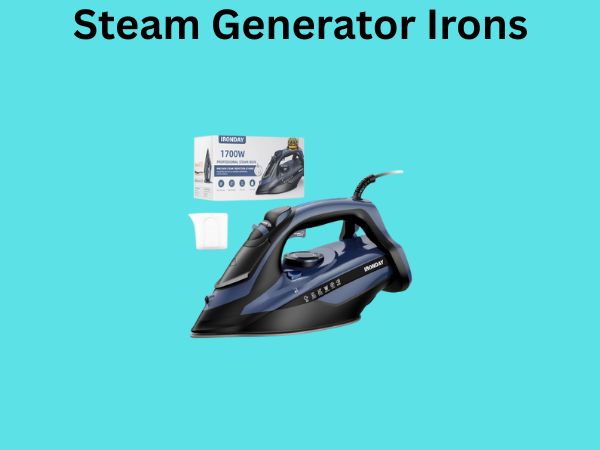
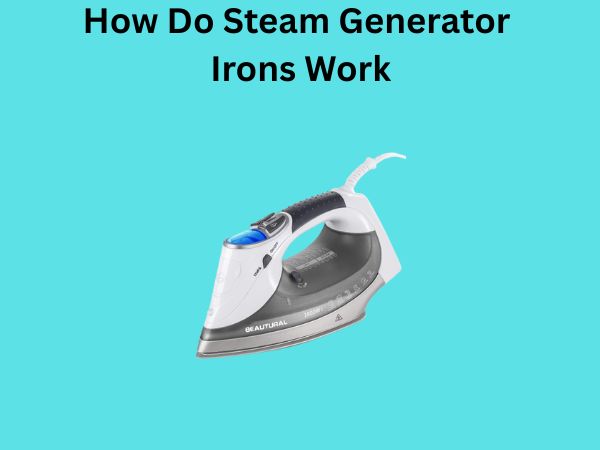
At its core, a steam generator iron consists of two main parts working in tandem: a base unit that generates and stores steam, and a lightweight iron head that applies that steam to your garments. This separation is crucial to understanding why these irons have become so popular among people who take their laundry seriously.
The Main Components: What’s Inside Your Steam Generator Iron
Let’s break down the architecture of these devices so you can truly understand how they function. Knowledge of these components will help you appreciate why steam generator irons perform so differently from traditional irons.
The Boiler: The Heart of the Operation
The boiler is where all the magic begins. This is a sealed metal chamber in the base unit that heats water to extremely high temperatures. We’re talking about temperatures that often exceed 200 degrees Fahrenheit, sometimes even reaching closer to 300 degrees. This intense heat transforms water into steam, creating pressure that builds up inside the chamber. The boiler is typically made from durable stainless steel or similar heat-resistant materials because it needs to withstand constant heating cycles without corroding or degrading.
The Water Reservoir
Connected to the boiler is a water reservoir that acts as the supply line for your steam production. This tank needs to be refilled periodically, depending on how much ironing you’re doing and how steam-hungry your particular model is. Some reservoir tanks hold impressive amounts of water, allowing you to iron for extended periods without stopping to refill. This is one of the practical advantages over traditional irons where you might need to refill multiple times during a single ironing session.
The Heating Element
Inside the boiler sits an electric heating element, usually a coiled resistive wire that heats up when electricity flows through it. This component works similarly to the heating element in a kettle or water heater. As electricity passes through the resistance wire, it converts that electrical energy into heat, warming the water in the boiler. The temperature is usually regulated by a thermostat that cycles the power on and off to maintain the desired heat level.
The Iron Head
The iron head itself is where you’ll apply the steam to your clothes. What makes it different from a regular iron is that it’s lighter and typically wider, because it doesn’t need to generate its own heat. Instead, it receives pre-heated steam from the boiler through a hose connection. This design allows manufacturers to make the iron head broader, which means wider coverage and faster ironing for larger fabric areas.
How the Steam Generation Process Actually Works
Now that you understand the main components, let’s trace the journey of water as it transforms into steam. This is where things get really interesting.
The Heating Phase
When you first plug in your steam generator iron and turn it on, the heating element begins warming the water in the boiler. This process typically takes between 30 seconds to a few minutes, depending on your specific model and how much water is in the boiler. You’ll notice most devices have a light indicator that tells you when the boiler has reached the proper temperature and is ready to produce steam.
The Pressure Buildup Phase
As the water heats, something remarkable happens at the molecular level. The water molecules gain energy and begin moving faster, transforming from liquid into vapor. Since the boiler is sealed, this steam has nowhere to escape, so pressure builds up inside the chamber. This pressure is actually essential to the system’s function—it’s what forces the steam through the hose and into your iron head at sufficient strength to penetrate fabric fibers effectively.
The Steam Delivery Phase
When you press the steam trigger on your iron handle, you’re essentially opening a valve that allows the pressurized steam to flow from the boiler through the connecting hose into the iron head. The steam then exits through multiple steam holes in the soleplate (the flat bottom part of the iron). This is where the actual ironing happens—the steam penetrates the fabric, relaxing the fibers and allowing the weight of the iron to smooth out wrinkles effectively.
The Continuous Steam Generation Advantage
Here’s where steam generator irons truly distinguish themselves from regular irons. While traditional irons have a small water tank built directly into the iron head and produce steam intermittently, steam generator irons maintain a continuous supply of hot steam as long as water remains in the reservoir and the boiler is hot.
This continuous generation means you’re never waiting for the iron to reheat between bursts of steam. You can hold down the steam trigger continuously, and the boiler is already producing more steam to replace what you’re using. It’s like having an endless supply compared to the limited steam bursts you get from a conventional iron.
Why Continuous Steam Matters for Your Ironing Experience
- You can iron faster because you’re never waiting for heat to build back up
- Wrinkles are more effectively removed because fabrics are consistently exposed to high-quality steam
- Vertical steaming becomes practical, allowing you to press hanging garments
- Heavy fabrics respond better to the sustained heat and moisture
- Your overall ironing sessions take significantly less time
Temperature Control and Safety Mechanisms
You might be wondering, if there’s all this pressure and heat building up in a sealed chamber, what prevents the whole thing from exploding like a pressure cooker? The answer lies in sophisticated safety mechanisms built into every quality steam generator iron.
Thermostatic Regulation
A thermostat constantly monitors the temperature inside the boiler. When the temperature reaches the desired level, the thermostat automatically cuts off power to the heating element. Once the temperature drops slightly, power is restored. This cycling keeps the boiler at a consistent, safe temperature—hot enough to produce excellent steam, but not so hot that pressure becomes dangerous.
Pressure Relief Valves
Most steam generator irons include a pressure relief valve that automatically opens if internal pressure exceeds safe levels. This valve acts as a safety guard, releasing excess pressure and preventing any potentially hazardous situation. It’s essentially the device’s way of saying “I’ve got this handled” if things get too intense inside.
Auto-Shutoff Features
Many modern models include automatic shutoff functionality. If you leave your iron unattended for a certain period, the device powers down automatically. This feature prevents overheating and reduces the risk of accidents, which is especially valuable if you get distracted during your ironing routine.
Water Quality and Its Impact on Performance
Here’s something many people don’t realize: the quality of water you use in your steam generator iron actually matters quite a bit. Different types of water can significantly affect how well your device works and how long it lasts.
The Problem with Hard Water
If you live in an area with hard water (water containing high mineral content), those minerals can accumulate inside your boiler over time. This buildup, called limescale, acts like insulation, making your heating element work harder to produce the same amount of steam. It’s similar to how a layer of dust on a light bulb makes it appear dimmer. Eventually, this mineral accumulation can reduce efficiency significantly and even damage the heating element.
The Solution: Water Descaling
Most steam generator irons come with descaling solutions or require periodic descaling with white vinegar or specialized descaling products. This process dissolves the mineral buildup and keeps your boiler in top condition. How often you need to descale depends on your water hardness and how frequently you iron. Some people descale monthly, while others might only need to do it quarterly.
The Role of the Soleplate in Steam Distribution
The soleplate is the bottom surface of the iron that touches your clothes, and it’s more sophisticated than you might think. It’s not just a flat piece of metal—it’s engineered with multiple holes strategically placed to distribute steam evenly across the fabric you’re ironing.
Steam Hole Configuration
Quality steam generator irons typically have dozens of tiny steam holes across the soleplate. These holes are precisely positioned so that steam is distributed uniformly rather than concentrated in one spot. This even distribution ensures consistent wrinkle removal and prevents any area from being over-steamed, which could damage delicate fabrics.
Soleplate Materials and Their Properties
Modern soleplates are often made from materials like ceramic, titanium, or specialized non-stick coatings. Each material has advantages—ceramic provides excellent glide over fabrics, titanium is extremely durable, and non-stick coatings prevent sticking on delicate materials. The choice of soleplate material can influence both ironing performance and the device’s longevity.
Hose and Connector System
The hose connecting the base unit to the iron head is a critical component that deserves attention. This hose needs to withstand high temperatures and pressures while remaining flexible enough to use comfortably.
Most hoses are made from heat-resistant silicone or similar materials that can handle temperatures well above the boiling point of water. The connection points are typically reinforced with metal fittings to prevent leaks or disconnections. Some people overlook the importance of this component, but a faulty hose can severely compromise your iron’s performance or create safety hazards.
Comparing Steam Generator Irons to Traditional Irons
To really understand how steam generator irons work, it helps to compare them with traditional irons. The differences are quite striking when you examine them side by side.
Steam Production Capacity
A traditional iron might produce 20-40 grams of steam per minute, while a steam generator iron often produces 100-150 grams or even more per minute. That’s a dramatic difference in steam volume, which directly translates to more effective wrinkle removal.
Pressure Levels
Traditional irons produce steam primarily through gravity assistance and some heating of water in a small reservoir. Steam generator irons use actual boiler pressure, creating steam that’s actively pushed into fabrics rather than passively applied. This pressure difference is why steam generator irons are so effective on heavy, persistent wrinkles.
Continuous Availability
With a traditional iron, once you use up the steam capacity in the iron head, you need to wait for it to reheat before getting more steam. With a steam generator, the boiler is continuously producing steam for as long as you’re ironing, providing uninterrupted performance.
The Energy Efficiency Factor
You might assume that steam generator irons use significantly more electricity than traditional irons, but this isn’t necessarily true. While they do have more power consumption during the heating phase, their efficiency during actual ironing often makes up for it.
Because they work faster and remove wrinkles more effectively, you’re actually spending less total time ironing to achieve the same results. Over the course of a week or month, this can translate to actual energy savings despite the higher wattage. It’s like the difference between driving slowly in low gear versus efficiently in high gear—sometimes the seemingly more powerful option is actually more efficient overall.
Maintenance and Longevity
Understanding how steam generator irons work also helps you understand how to maintain them properly. These devices require more care than traditional irons, but they reward that care with years of reliable service.
Regular Descaling Requirements
As mentioned earlier, descaling is essential. This typically involves running a descaling solution through the boiler to remove mineral deposits. Most manufacturers recommend doing this monthly, though your specific needs depend on your water hardness and usage frequency.
Proper Storage
When you’re not using your steam generator iron, proper storage extends its lifespan. Ensure the boiler is completely empty before storing to prevent mineral buildup. Store in a dry location, and keep the hose coiled loosely to prevent kinks or damage.
Regular Cleaning
The soleplate should be cleaned regularly to remove any fabric residue or buildup. A damp cloth when the iron is cool usually works fine. Never use abrasive materials that could damage the soleplate surface.
Choosing the Right Steam Generator Iron for Your Needs
Now that you understand how these devices work, you’re better equipped to choose one that fits your specific ironing needs. Different models offer different features and capabilities.
Water Tank Capacity Considerations
If you iron large quantities of clothing regularly, a larger water tank capacity means fewer refills. Conversely, if you iron occasionally, a smaller tank might be sufficient and takes up less storage space.
Steam Pressure and Output Ratings
Look for models that specify their steam pressure (measured in bars) and steam output (measured in grams per minute). Higher numbers generally mean better performance on tough wrinkles.
Cord Length and Weight Distribution
Since the base unit stays on a table while you hold only the iron head, the hose length becomes important. Make sure it’s long enough to comfortably reach all parts of your ironing board. The weight distribution between the base and iron head also matters for comfort during extended ironing sessions.
Troubleshooting Common Steam Generator Iron Issues
Understanding how these irons work also helps you troubleshoot problems when they arise.
Reduced Steam Output
If your iron suddenly produces less steam than usual, mineral buildup in the boiler is likely the culprit. Running a descaling cycle should restore performance. If that doesn’t help, the heating element might need replacement.
Leaking from the Hose Connection
Leaks usually indicate a loose connection or damaged fitting. Check that all connections are tight and properly seated. If tightening doesn’t solve it, the connector may need replacement.
Slow Heat-Up Time
Mineral deposits reduce heating efficiency. Descaling should improve this. If the problem persists, the heating element may be failing and require professional service.
Conclusion
Steam generator irons represent a significant advancement in laundry technology, and understanding how they work helps you appreciate their superiority over traditional irons. These devices combine a powerful boiler system, continuous steam generation, and sophisticated safety features to deliver ironing results that few other methods can match.
The separation of the boiler from the iron head allows for greater steam pressure and volume, resulting in faster, more effective wrinkle removal. The continuous generation of steam means you’re never waiting for the iron to reheat, making your ironing sessions shorter and more productive. While they require more maintenance than traditional irons, particularly regarding descaling, the investment in proper care pays dividends in longevity and consistent performance.
Whether you’re a frequent ironer dealing with professional clothing and heavy fabrics, or someone who simply wants to reduce the time spent on laundry day