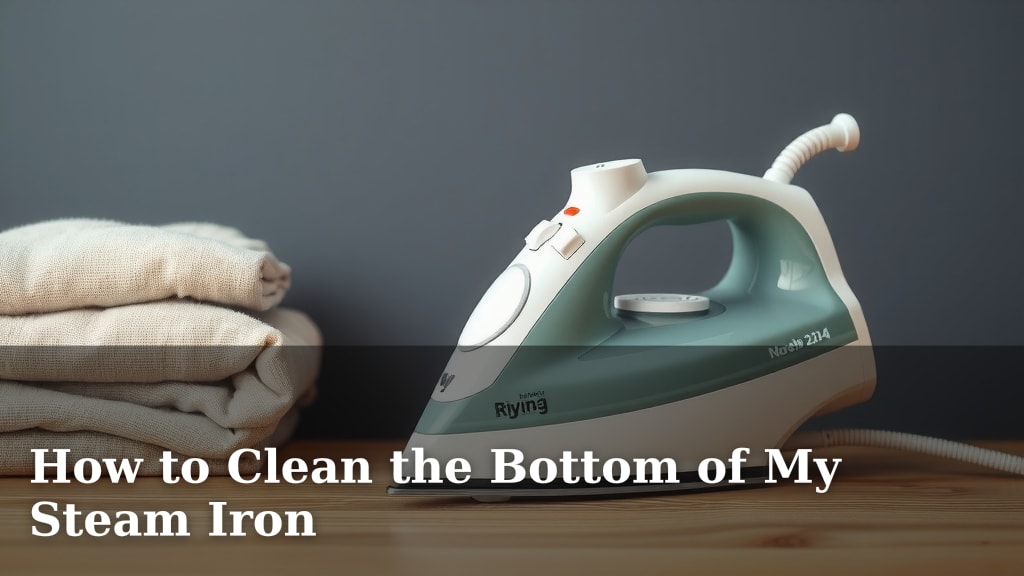
How to Clean the Bottom of My Steam Iron
The easiest way to clean the bottom of your steam iron is by using a gentle cleaning paste or a specialized iron cleaner. This will help you remove stubborn residue and keep your clothes looking sharp. You don’t need harsh chemicals to get that soleplate shining again.
Over time, mineral deposits and fabric fibers can build up on your iron’s soleplate. This gunk can transfer to your clothes, leaving behind dull spots or even scorch marks. Keeping your iron clean ensures it glides smoothly and heats evenly, making your ironing tasks much more effective and less frustrating.
- Use a gentle paste of baking soda and water for most grime.
- Try a specialized iron cleaner for tougher buildup.
- Always ensure the iron is unplugged and cool.
- Test on an inconspicuous area if unsure.
- Wipe clean with a damp cloth afterward.
Ready to tackle that sticky soleplate? Let’s walk through exactly how to get your steam iron looking and working like new, step by step.
Getting Your Steam Iron’s Soleplate Sparkling Clean
Let’s get that iron working like new again. A clean soleplate means your clothes get a smooth, even press. It prevents sticky spots from transferring. We’ll cover a few simple ways to tackle that grime.
Safety First: Cool Down and Unplug
Before you do anything, always make sure your iron is unplugged. It needs to be completely cool to the touch. This prevents burns. Safety is the first step in any cleaning project.
Understanding Soleplate Grime
What causes that sticky stuff on your iron? It’s usually a mix of things. Starch from clothing can build up. Tiny fabric fibers can melt and stick. Minerals from your tap water can leave deposits. Over time, these combine into a stubborn layer. This gunk can snag on fabric. It can also leave marks on your garments.
Types of Soleplate Materials
Most irons have a soleplate made from one of a few materials. Stainless steel is common. It’s durable and heats well. Aluminum is another option. It heats up quickly. Some irons have a non-stick coating. This might be ceramic or Teflon. Knowing your soleplate material helps choose the right cleaner.
The Baking Soda Paste Method: Your Go-To Solution
For most everyday gunk, a simple baking soda paste works wonders. It’s gentle but effective. You probably already have the ingredients at home. This is a great starting point.
How to Make and Apply the Paste
You’ll need about two tablespoons of baking soda. Mix it with just enough water to create a thick paste. Think of toothpaste consistency. It shouldn’t be runny. Use a soft cloth or sponge to apply the paste. Gently rub it onto the cool soleplate. Avoid getting it into the steam vents. Work in small circles.
Rinsing and Wiping Away Residue
Once you’ve applied the paste, let it sit for a few minutes. Then, take a clean, damp cloth. Wipe away all the baking soda paste. Make sure no gritty bits are left behind. You might need to rinse your cloth and wipe again. Ensure the soleplate is completely dry before you plug it in.
When Baking Soda Isn’t Enough: Specialized Cleaners
Sometimes, you face really tough buildup. Stubborn scorch marks or thick deposits might need a stronger approach. For these situations, specialized iron cleaners are a good choice.
Choosing a Reputable Iron Cleaner
You can find iron cleaning sticks or solutions at most stores. Look for products specifically designed for steam irons. Read the product reviews. Many experts recommend brands that are non-toxic and effective (Good Housekeeping Institute). Always follow the manufacturer’s instructions precisely. Some cleaners are like crayons you rub on a warm iron. Others are liquids.
Using Iron Cleaning Sticks or Liquids
If you’re using a cleaning stick, you’ll typically heat the iron slightly. Then, you rub the stick on the warm soleplate. The cleaner melts and helps lift the grime. For liquid cleaners, you might apply it to a cloth and then wipe the warm iron. Always ensure good ventilation. Some cleaning products have a strong smell.
Careful Cleaning Around Steam Vents
No matter what cleaning method you use, be mindful of the steam vents. You don’t want to push cleaning paste or liquid directly into them. This could damage the iron. Gently clean around the vents with a cotton swab if needed. A dry toothbrush can also help dislodge debris from vent openings.
A Quick Checklist for a Shiny Soleplate
Here’s a quick rundown to get your iron ready for action:
- Unplug and ensure the iron is cool.
- Wipe away loose dust or debris.
- Apply your chosen cleaning solution (paste or cleaner).
- Gently scrub the soleplate.
- Wipe clean with a damp cloth.
- Dry thoroughly before use.
Testing Your Cleaning Efforts
After cleaning, it’s wise to test your iron. Find an old towel or a scrap piece of fabric you don’t care about. Turn the iron on to a medium setting. Glide it over the test fabric. Check for any sticking or marks. This ensures the soleplate is truly clean. If you see any issues, repeat the cleaning steps.
| Cleaning Method | Best For | Pros | Cons |
|---|---|---|---|
| Baking Soda Paste | Light to moderate grime, mineral deposits | Inexpensive, readily available, non-toxic | May require more scrubbing for tough stains |
| Specialized Iron Cleaner | Stubborn stains, heavy buildup, scorch marks | Formulated for specific problems, often quick results | Can be more expensive, may have fumes, follow instructions carefully |
Conclusion
You’ve learned how to banish grime from your steam iron’s soleplate. Keeping it clean makes ironing easier and prevents damage to your clothes. Remember, safety comes first—always unplug and cool your iron. For everyday buildup, a simple baking soda paste is your best friend. For tougher challenges, specialized cleaners offer a powerful solution.
Take action now! Pick a method and give your iron the cleaning it deserves. A clean soleplate means smoother ironing and better-looking results for all your fabrics.
Frequently Asked Questions
Can I use vinegar to clean my iron’s soleplate?
While vinegar is a great household cleaner, it’s generally not recommended for steam iron soleplates. Its acidity can sometimes damage certain soleplate coatings. Sticking to baking soda paste or commercial iron cleaners is usually safer and more effective.
How often should I clean the bottom of my steam iron?
You should clean your steam iron’s soleplate whenever you notice buildup or if it starts to drag on fabrics. For most people, this means cleaning it every few months. If you iron frequently or use starches, you might need to clean it more often.
What should I do if I accidentally get cleaner in the steam vents?
If cleaner gets into the steam vents, try to gently wipe it out with a cotton swab or a dry toothbrush. After cleaning the soleplate, run the iron on a high steam setting over an old towel or rag. This helps flush out any residual cleaner from the vents.
Is it safe to use an abrasive scrub pad on my iron?
No, you should avoid abrasive scrub pads like steel wool or harsh brushes. These can easily scratch and damage the soleplate, especially if it has a non-stick coating. Always use soft cloths, sponges, or a soft-bristled brush.
Can I use toothpaste to clean my iron?
Some people suggest using non-gel white toothpaste. The mild abrasives in it can help lift light grime. However, be cautious as some toothpastes contain ingredients that could potentially harm the soleplate. A baking soda paste is a more reliable and recommended DIY option.