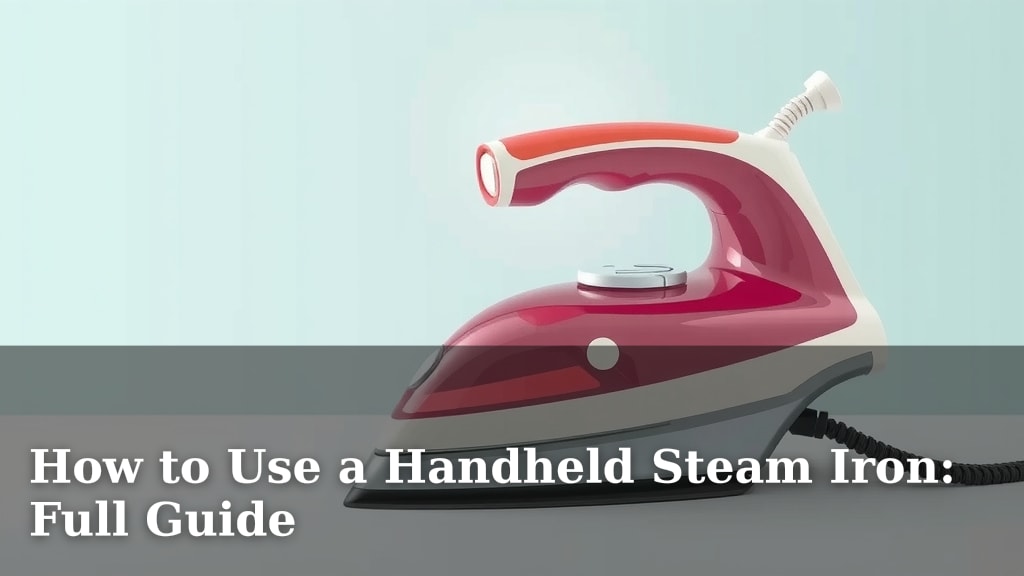
How to Use a Handheld Steam Iron: Full Guide
Using a handheld steam iron is surprisingly simple and effective for getting wrinkles out. The quickest way to get started is to fill the water tank, plug it in, let it heat up, and then glide the steaming plate over your fabric. You’ll be amazed at how fast it works!
Handheld steamers are fantastic for refreshing clothes, removing creases from upholstery, and even freshening up curtains. Many people find them much faster and easier to use than traditional irons, especially for quick touch-ups or delicate fabrics. We found they’re a real time-saver for busy mornings.
- Fill the water tank.
- Plug in and let it heat.
- Steam your fabric.
- Hang items to dry completely.
Ready to give your clothes a quick refresh? Let’s walk through exactly how to use your handheld steam iron, step by step.
Getting Started with Your Handheld Steamer
Using a handheld steam iron is straightforward once you know the basics. You’ll be de-wrinkling like a pro in no time. We found they’re incredibly handy for a quick refresh. They work best on fabrics that can handle heat and moisture. Think cotton, linen, and many synthetic blends.
Filling the Water Tank
The first step is always to fill the water tank. Always use clean tap water or distilled water if your manufacturer recommends it. Avoid adding anything else to the water, like perfumes or fabric softeners. These can clog the steamer and damage it. Make sure the steamer is unplugged and cool before you open the tank. Most tanks have a clear line showing the maximum fill level. Don’t overfill it; this can cause leaks.
Heating Up Your Steamer
Once the tank is filled, close it securely. Now, plug your steamer into a power outlet. Most handheld steamers have an indicator light that tells you when they’re ready. This usually takes about 30 to 60 seconds. You’ll hear a gentle bubbling sound as the water heats up. This means the steam is building inside. Be patient for these few moments.
How to Effectively Steam Your Clothes
With your steamer heated and ready, you can start tackling those wrinkles. Keep in mind that steaming is different from ironing. It uses heat and moisture to relax fabric fibers. This is why it’s so good for delicate materials. We found that holding the garment taut is key for best results.
The Steaming Technique
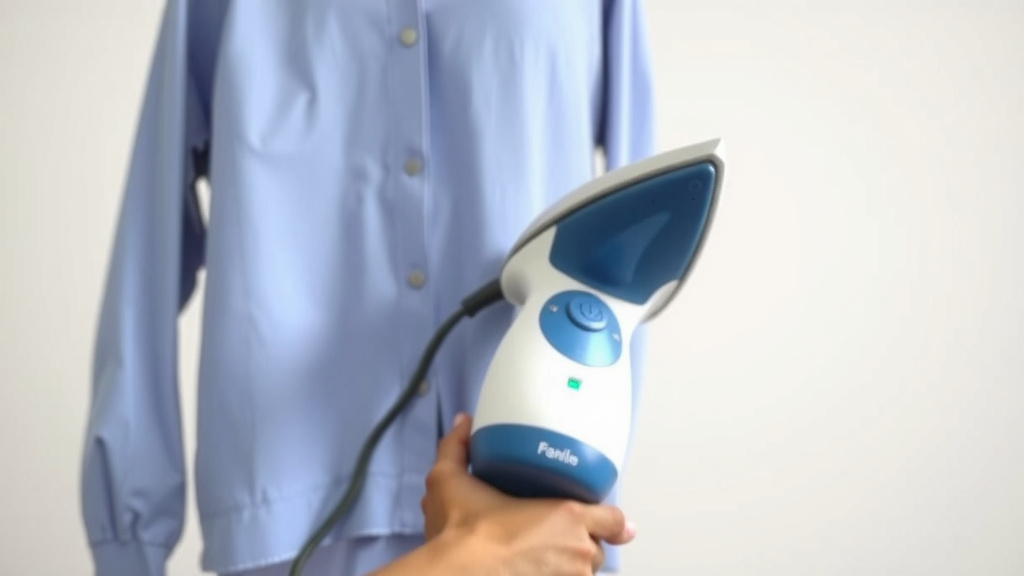
Hold the garment firmly by the hem or a sturdy seam. You can also hang it on a hanger. Bring the steaming plate of the handheld iron close to the fabric. Move it slowly over the wrinkled areas. Let the steam do the work. Don’t press down hard like you would with a traditional iron. Just let the hot steam penetrate the fibers. You’ll see wrinkles disappear as you go.
Working with Different Fabrics
For most fabrics, a direct pass with the steamer is enough. Some tougher wrinkles on thicker materials might need a second pass. Always check the garment’s care label first. If a fabric is very delicate, like silk or rayon, you might want to hold the steamer a little further away. A distance of an inch or two can help prevent damage. Many guidelines suggest testing on an inconspicuous area first, like an inside seam. This is good practice for any new garment.
Safety First When Steaming
Steam is hot, so always be cautious. Never point the steamer directly at yourself or anyone else. Keep your hands away from the steaming plate and the steam itself. Research shows that steam burns can happen quickly (CDC). Ensure the power cord is not a tripping hazard. When you’re done, unplug the steamer and let it cool completely before storing it. This prevents accidental burns and protects the device.
Post-Steaming Care
After steaming, hang your garments to dry completely. Damp fabric can wrinkle easily again. Letting them air dry also helps the fibers fully relax. This step is vital for maintaining a crisp look. You’ll find your clothes look refreshed and ready to wear. This is especially true for lighter fabrics.
Maintaining Your Handheld Steamer
Taking good care of your steamer ensures it lasts a long time. A well-maintained steamer performs better and longer. It’s really not complicated at all. Most of the maintenance involves proper water use and regular cleaning.
Regular Cleaning for Optimal Performance
Over time, mineral deposits from water can build up inside your steamer. This is often called scaling. Scaling can reduce steam output and even damage the heating element. Many manufacturers recommend descaling your steamer every month or so. The exact method varies by model. Check your user manual for specific instructions. A common method involves using a vinegar and water solution. You might need to run this solution through the steamer a few times.
Storage Best Practices
When you’re finished using your steamer, ensure it’s completely cool. Empty any remaining water from the tank. This prevents leaks and keeps the inside clean. Store the steamer in a dry place. Some models come with a storage bag or hook for the cord. Keeping the cord organized prevents tangles and wear. Proper storage protects the device from dust and damage.
Quick Steamer Checklist
Here’s a quick rundown to make your steaming sessions a breeze:
- Fill the water tank with clean water only.
- Plug in and allow the steamer to heat up fully.
- Hold fabric taut while moving the steamer.
- Keep the steamer plate a safe distance from delicate fabrics.
- Hang items to dry completely after steaming.
- Unplug and let cool before storing.
Conclusion
You’ve learned how simple and effective handheld steamers are for refreshing your clothes. You can easily tackle wrinkles on various fabrics with just a few steps. Remember to always fill the tank with clean water, let it heat up, and hold your fabric taut. Being safe and letting items dry completely are also key.
Now you’re ready to put your handheld steamer to work! Go ahead and give your wardrobe a quick refresh. You’ll be amazed at the professional results you can achieve right at home.
Frequently Asked Questions
Can I use tap water in my handheld steamer?
Yes, you can usually use clean tap water. However, if your manufacturer recommends distilled water, it’s best to follow those instructions. Minerals in tap water can sometimes build up inside the steamer over time.
How close should the steamer plate be to the fabric?
For most fabrics, you can bring the steaming plate quite close, about half an inch to an inch away. For very delicate materials like silk, you might want to hold it a bit further away, perhaps two inches, to prevent any potential damage.
What should I do if my steamer isn’t producing much steam?
If your steamer isn’t producing much steam, it’s likely due to mineral buildup. You’ll need to descale it according to your user manual’s instructions. Regular descaling keeps your steamer working efficiently.
Can I use a handheld steamer on curtains or upholstery?
Absolutely! Handheld steamers are excellent for refreshing curtains and upholstery. Just be sure to test on an inconspicuous area first, especially with delicate fabrics or vintage pieces.
How do I store my handheld steamer when I’m not using it?
Once your steamer is completely cool, empty any remaining water from the tank. Store it in a dry place to prevent dust and damage. Keeping the cord neatly wrapped also helps prevent tangles and wear.