How to Descale a Rowenta Steam Iron: Easy Steps
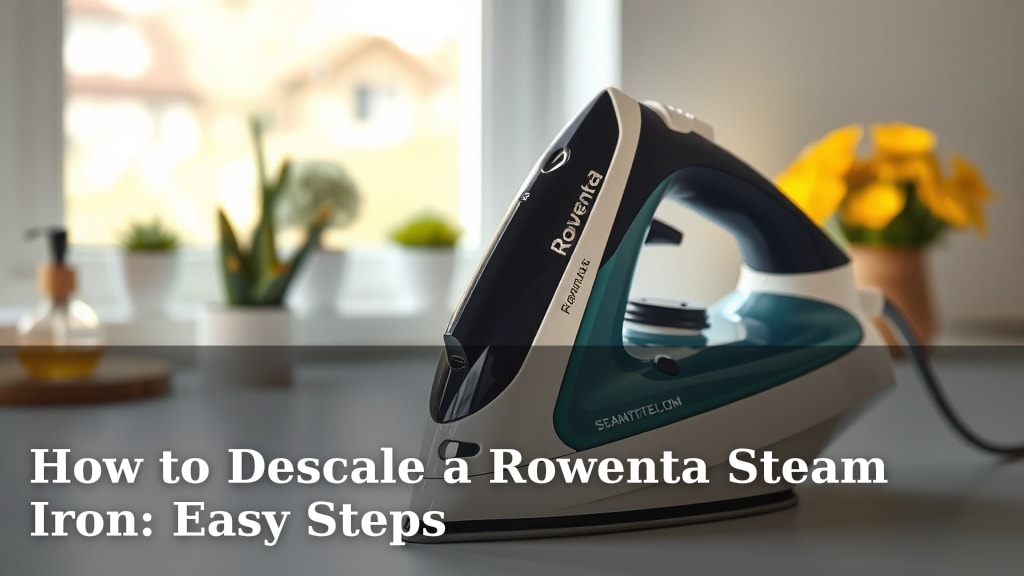
The easiest way to descale a Rowenta steam iron is by using a descaling solution or vinegar, then running a hot water cycle to flush out mineral buildup. This simple process will restore your iron’s performance and prevent steam vents from getting clogged. It’s a quick fix that saves your clothes and your iron.
Mineral deposits, often called limescale, can build up inside your iron over time. This is especially common if you have hard water. Limescale can cause unsightly brown stains on your laundry and reduce the amount of steam your iron produces. Keeping your Rowenta iron clean and descaled is key for effective ironing. Many experts suggest regular descaling.
- Always unplug your iron first.
- Use a dedicated descaling solution or white vinegar.
- Flush with hot water to remove loosened minerals.
- Check your iron’s manual for specific instructions.
Ready to get your Rowenta steam iron working like new again? Let’s walk through exactly how to descale it step by step.
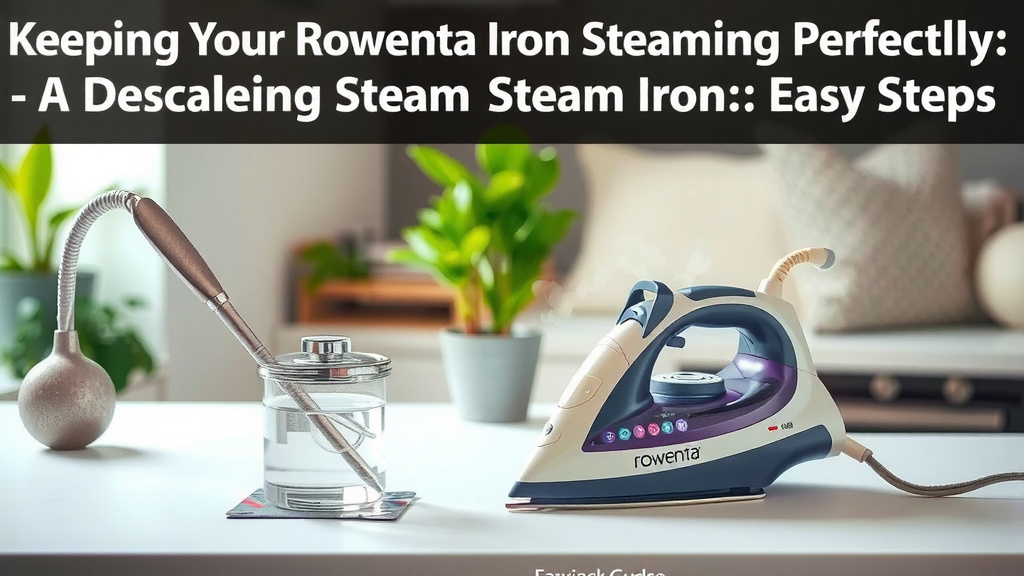
Keeping Your Rowenta Iron Steaming Perfectly: A Descaling Guide
Mineral buildup, also known as limescale, can really put a damper on your ironing. If you’ve noticed your Rowenta steam iron sputtering or leaving little white marks on your clothes, it’s likely time for a good descaling. This guide will walk you through the easy steps to get your iron working like new again.
Why Descaling Your Rowenta Iron Matters
Over time, minerals from your tap water can accumulate inside your iron. Think of it like tiny rocks building up. This isn’t just annoying; it can actually damage your iron. It reduces steam output and can lead to those dreaded brown spots on your freshly ironed shirts. Regularly cleaning it out is like giving your iron a spa day!
Many manufacturers, including Rowenta, recommend descaling your iron periodically. This practice is especially important if you live in an area with hard water, which has a higher mineral content. Neglecting this can shorten the lifespan of your appliance and affect the quality of your ironing.
Gathering Your Descaling Supplies
Before you start, make sure you have everything you need. This will make the process smooth and efficient. You don’t want to be searching for a tool halfway through.
What You’ll Need:
- Your Rowenta steam iron
- A clean basin or sink
- Distilled or demineralized water (optional, but recommended for cleaning)
- White vinegar (if not using a dedicated descaler)
- A soft cloth or sponge
- Cotton swabs (optional, for cleaning vents)
Using distilled water for refilling your iron can help prevent future buildup. If you don’t have it handy, tap water is fine for the descaling process itself, but consider switching for regular use.
Step-by-Step Guide to Descaling Your Rowenta Iron
Let’s get down to business! These steps are designed to be straightforward. We’ll break it down so you can tackle it with confidence.
Step 1: Safety First – Unplug Your Iron
This is the most important step. Always, always unplug your iron from the power outlet. You don’t want any accidental heat or electricity to interfere with the cleaning process. Let the iron cool down completely if it was recently in use.
Step 2: Prepare Your Descaling Solution
You have a couple of good options here. The first is a dedicated iron descaling solution. These are formulated specifically for steam irons and are very effective. Follow the instructions on the product’s packaging precisely.
Your second option, and a very common one, is white vinegar. Many experts suggest this as a readily available and affordable alternative. For most Rowenta models, a 50/50 mixture of white vinegar and distilled water works well. So, if your water tank holds 300ml, use 150ml of vinegar and 150ml of distilled water.
Step 3: Fill the Water Tank
Once your solution is ready, carefully pour it into the water tank of your Rowenta iron. Don’t overfill it. Make sure the iron is upright and stable as you do this. Check your iron’s manual if you’re unsure about the tank capacity or fill line.
Step 4: Heat and Steam Cycle
Plug your iron back in and set it to its highest heat setting. Let it heat up for about 5 to 10 minutes. Once hot, hold the iron horizontally over a sink or basin. Press and hold the steam button. You should see steam and some cloudy water begin to come out of the soleplate. This is the limescale being released!
Keep holding the steam button until most of the water solution has passed through. You might need to do this in a few bursts. If your iron has a “self-clean” or “anti-calc” button, refer to your manual for specific instructions on how to use it in conjunction with the descaling solution.
Step 5: Flush with Clean Water
After you’ve emptied the descaling solution, unplug the iron again and let it cool slightly. Empty any remaining solution from the tank. Now, refill the tank with fresh, clean distilled or demineralized water. Plug the iron back in, set it to a high heat, and let it heat up again.
Once hot, hold the iron over the sink and press the steam button repeatedly, without holding it this time. This step is crucial for rinsing out any loosened mineral deposits. Continue until the tank is empty and you’re only seeing clean steam. This ensures no vinegar or descaling solution residue remains, which could potentially harm your fabrics.
Step 6: Final Wipe-Down
With the iron unplugged and still slightly warm, use a soft, damp cloth to wipe down the soleplate. You can use cotton swabs to clean out any mineral deposits that might be stuck in the steam vents. Be gentle! A quick wipe ensures a perfectly smooth finish on your next ironing session.
Tips for Maintaining Your Descaled Iron
Keeping your iron in top shape doesn’t end with descaling. A few simple habits can prevent future buildup.
Using the Right Water
As mentioned earlier, using distilled or demineralized water in your iron’s tank is the best way to minimize mineral deposits. If you can’t find these, using filtered water is the next best option. Avoid using water straight from the tap if your water is particularly hard.
Emptying After Each Use
After every ironing session, make it a habit to empty the water tank completely. Pour out any leftover water. This prevents water from sitting in the tank and minerals from concentrating as the water evaporates. It’s a small step that makes a big difference.
Regular Self-Cleaning Cycles
Many modern Rowenta irons have a self-cleaning function. Use this regularly, perhaps once a month depending on your water hardness and how often you iron. This function helps flush out loose particles before they can form stubborn scale.
Here’s a quick checklist to keep your Rowenta iron in excellent condition:
- Unplug and cool before cleaning.
- Use vinegar or a dedicated descaler.
- Flush thoroughly with clean water.
- Always empty the tank after use.
- Consider using distilled water.
- Perform regular self-cleaning cycles.
Conclusion
You’ve learned how easy it is to descale your Rowenta steam iron. By using a simple descaling solution or white vinegar, you can remove stubborn mineral buildup. This process restores powerful steam output and prevents unsightly stains on your clothes. Don’t let limescale cause problems any longer!
Take a few minutes today to give your iron the cleaning it deserves. Follow these steps, and you’ll be ironing with confidence again in no time. Your clothes will look smoother, and your iron will perform better for longer.
Frequently Asked Questions
How often should I descale my Rowenta iron?
You should aim to descale your Rowenta iron every 1 to 3 months. This frequency depends heavily on your water hardness and how often you use your iron. If you notice reduced steam or brown spots, it’s definitely time for a cleaning.
Can I use regular tap water for descaling?
While you can use tap water for the descaling solution itself, it’s best to use distilled or demineralized water for flushing. Using tap water, especially if it’s hard, can actually contribute to the mineral buildup you’re trying to remove.
What if my Rowenta iron doesn’t have a self-clean button?
If your iron lacks a dedicated self-clean button, you can still effectively descale it by following the steam and flush cycle steps outlined in the guide. The process of heating the solution and then flushing with clean water manually achieves the same goal.
Why is my iron still spitting water after descaling?
If your iron continues to spit dirty water after a descaling cycle, it might mean there’s still significant buildup inside. You may need to repeat the descaling and flushing process. Ensure you are holding the iron horizontally over the sink during the steam cycle to allow debris to escape properly.
Can I use a different type of vinegar for descaling?
It’s best to stick with plain white vinegar for descaling your Rowenta iron. Other types of vinegar, like apple cider or balsamic, contain sugars and other impurities that could potentially damage your iron or leave residue on your clothes.