How to Clean the Face of a Steam Iron: Easy
The easiest way to clean the face of a steam iron is by using a damp cloth with a bit of baking soda or toothpaste. You can remove stubborn scorch marks and residue without harsh chemicals. This method is quick and highly effective for restoring your iron’s smooth glide.
Over time, your iron’s soleplate can accumulate burnt fabric or mineral deposits. This gunk can snag your clothes and leave marks. Keeping your iron’s face clean ensures your clothes look their best. Many people worry about damaging their iron, but these simple methods are surprisingly gentle yet tough on buildup.
- Use baking soda or toothpaste for tough stains.
- A damp cloth works for general cleaning.
- Unplug your iron first for safety.
- Wipe gently to avoid scratching.
- Always check your iron’s manual.
Let’s walk through exactly how to get that iron soleplate spotless, step by step.
Restoring Your Iron’s Smooth Glide: Easy Cleaning Methods
You know that feeling when your iron snags on a shirt? That’s usually a sign your soleplate needs a good cleaning. Burnt fabric and mineral buildup can really mess with your ironing. Luckily, you can get it back to its shiny, smooth self with a few simple tricks. We’ll show you how to clean your steam iron’s face easily.
Safety First: Unplug and Cool Down
Before you do anything, your iron must be unplugged. This is non-negotiable for your safety. Let the iron cool down completely. A hot iron can cause burns. It can also damage cleaning materials you might use. Patience here prevents painful mistakes.
Common Causes of Soleplate Grime
Why does your iron get dirty in the first place? It’s often a mix of things. Starchy fabrics can burn onto the plate. Over time, minerals from your tap water can leave deposits, especially if you use the steam function often. Synthetic fabrics can also melt slightly under high heat. These issues build up, making your iron less effective.
Mineral Deposits from Steam Vents
Your steam iron relies on tiny holes for steam. These vents can get clogged with mineral residue from water. This can lead to sputtering or weak steam. Cleaning these out is key for optimal performance. We’ll cover how to tackle this.
Scorched Fabric Residue
Accidents happen. Sometimes fabric sticks and burns onto the hot soleplate. This burnt-on gunk is tough. It can transfer to your clothes, leaving marks. Getting rid of it means your iron can glide smoothly again.
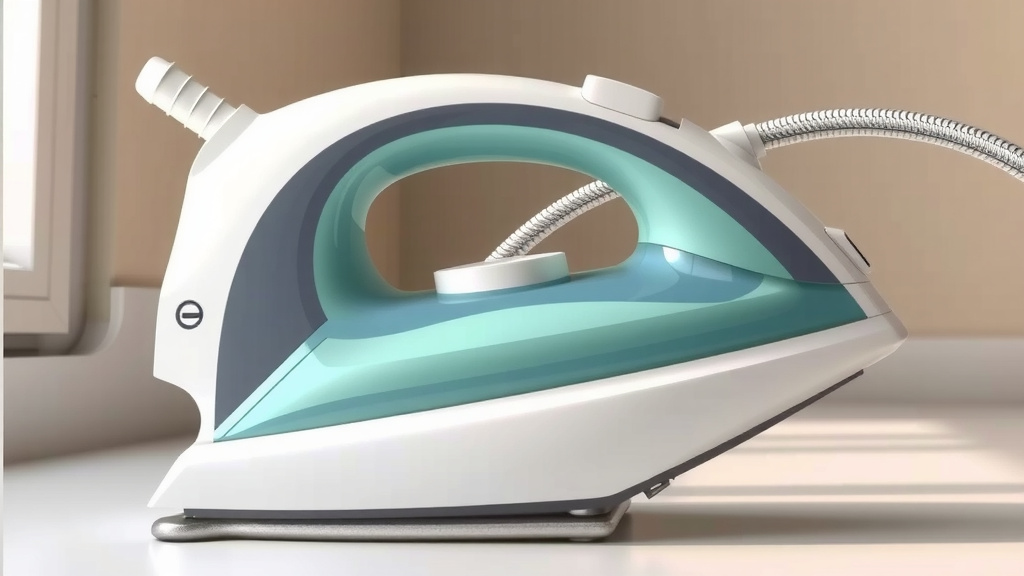
Easy DIY Cleaning Solutions for Your Iron
You don’t need fancy chemicals to get your iron clean. Some common household items work wonders. We found that a little elbow grease and the right materials are often all it takes. These methods are generally safe for most iron surfaces.
The Baking Soda Paste Method
Baking soda is a fantastic gentle abrasive. It can lift away stubborn residue without scratching. Mix about 1-2 tablespoons of baking soda with a little water. You want to create a thick paste, like toothpaste. Make sure your iron is completely cool and unplugged. Apply the paste to the soleplate. Gently rub it in with a soft cloth. Avoid getting the paste into the steam vents. After rubbing, wipe the plate clean with a damp cloth. Buff it dry with a clean, soft towel. This method is great for burnt-on spots.
The Toothpaste Application
Yes, regular white toothpaste can also work. It contains mild abrasives that help scrub away gunk. Squeeze a small amount of non-gel white toothpaste onto a cool soleplate. Use a soft cloth to rub it in a circular motion. Again, be careful around the steam holes. Wipe away the toothpaste residue with a slightly damp cloth. Rinse the cloth and wipe again to ensure all toothpaste is gone. Finally, dry the soleplate thoroughly with a soft towel. This is another quick fix for minor build-up.
Using a Damp Cloth for Light Cleaning
For everyday dust or very light residue, a simple damp cloth might be enough. Ensure the iron is cool and unplugged. Dampen a soft microfiber cloth with plain water. Wipe down the soleplate. For slightly more stuck-on bits, you can add a tiny drop of mild dish soap to the water. Always follow up with a clean, damp cloth to remove any soap residue. Then, dry it well.
Vinegar Solution for Mineral Deposits
Vinegar is excellent at breaking down mineral deposits. Mix equal parts white vinegar and water. Dampen a soft cloth with this solution. Carefully wipe down the cool soleplate. You can also dip a cotton swab in the solution to clean around the steam vents. After cleaning, wipe the soleplate with a clean, damp cloth. Then, dry it completely. Many appliance repair guides suggest vinegar for mineral issues (Good Housekeeping).
| Method | Best For | Pros | Cons |
|---|---|---|---|
| Baking Soda Paste | Stubborn burnt-on marks | Effective, readily available | Can be messy, requires thorough wiping |
| White Toothpaste | Light residue, minor marks | Easy to find, quick application | May not tackle heavy build-up |
| Damp Cloth | Dust, general upkeep | Simplest, quickest | Ineffective for tough stains |
| Vinegar Solution | Mineral deposits, clogged vents | Dissolves buildup, natural | Vinegar smell, needs neutralization |
Post-Cleaning Steps for a Pristine Iron
Once you’ve cleaned the soleplate, there are a few more steps. You want to ensure no cleaning residue is left behind. You also want to test that everything is working correctly.
Wipe Away All Residue
It’s crucial to remove all traces of your cleaning agent. Use a clean, damp cloth to wipe the soleplate thoroughly. You might need to rinse and wipe several times. Any remaining paste or toothpaste could burn onto your clothes during the next use. Your goal is a perfectly clean surface.
Dry the Soleplate Completely
Moisture is the enemy of a clean soleplate. Use a soft, dry towel to buff the soleplate until it’s completely dry. Ensure no water droplets remain. This prevents water spots and potential rust. A dry surface ensures a smooth glide.
Test Run on an Old Towel
To be absolutely sure, do a quick test run. Set your iron to a medium heat setting. Plug it in and let it heat up. Gently iron an old towel or a piece of scrap fabric. Check the towel for any marks or residue. Test the steam function to ensure it’s working properly. If you see any issues, repeat the cleaning process. This final check gives you peace of mind.
Consult Your Iron’s Manual
Every iron is a bit different. Some manufacturers have specific recommendations for cleaning. You can often find this information in the user manual. If you can’t find your manual, a quick search online for your iron’s model number usually brings up a digital copy. Following the manufacturer’s advice is always a good idea (Consumer Reports).
Quick Checklist for a Spotless Iron
- Unplug and let iron cool completely.
- Choose a cleaning method: baking soda, toothpaste, or vinegar.
- Apply cleaner to a cool soleplate.
- Wipe gently with a soft cloth, avoiding vents.
- Remove all cleaner residue with a damp cloth.
- Dry the soleplate thoroughly.
Conclusion
You’ve learned how easy it is to give your steam iron a new life! Dealing with scorched fabric or mineral buildup doesn’t require expensive products. Simple household items like baking soda, toothpaste, or vinegar are surprisingly effective. Remember to always prioritize safety by unplugging and cooling your iron first. By following these straightforward steps, you can restore your iron’s smooth glide and ensure your clothes always look their best. Your next ironing session will be a breeze!
Frequently Asked Questions
Can I use a magic eraser on my iron’s soleplate?
While magic erasers can be great for many cleaning tasks, it’s generally best to avoid them on your iron’s soleplate. The abrasive nature of a magic eraser can potentially scratch the surface. Sticking to softer cloths and the recommended cleaning agents will protect your iron.
How often should I clean my steam iron’s face?
You should clean your iron’s face whenever you notice residue, sticking, or reduced performance. For regular use, a quick wipe with a damp cloth after each use can prevent buildup. If you frequently use steam, a deeper clean with vinegar might be needed every few months.
What if baking soda or toothpaste doesn’t remove a tough stain?
For extremely stubborn scorch marks that baking soda or toothpaste can’t handle, you can try repeating the process or consulting your iron’s manual. Some manufacturers suggest specific cleaning sticks or solutions designed for soleplates. Always check your manual before trying less common methods.
Is it safe to put cleaning solutions directly into steam vents?
No, you should never pour cleaning solutions directly into your iron’s steam vents. Many cleaning agents, including vinegar or baking soda paste, can damage the internal components. It’s better to use a cotton swab dipped in a diluted solution to gently clean around the vents externally.
Will cleaning my iron’s face affect the steam function?
When done correctly, cleaning your iron’s face should actually improve your steam function. Buildup can clog the vents, reducing steam output. Ensuring the soleplate and vents are clean will allow steam to flow freely, making ironing more efficient and effective.