How to Steam a Shirt With an Iron: Easy Steps
Yes, you can absolutely steam a shirt using just your iron and a little water! It’s a quick and effective way to remove wrinkles when you don’t have a dedicated steamer. This method is especially helpful for clothes that are delicate or when you’re in a rush.
We found that this technique mimics the action of a garment steamer by using heat and moisture. It helps to relax fabric fibers, making those stubborn creases disappear. Many people have success with this trick for looking sharp without much effort.
TL;DR:
- Yes, you can steam shirts with an iron.
- Use a damp cloth or the iron’s steam function.
- It’s a great alternative to a steamer.
- Works well for quick wrinkle removal.
Ready to try it yourself? Let’s walk through exactly how to steam your shirt with an iron, step by step.
So, you’ve got a shirt that looks like it slept in a ball, and no fancy steamer in sight? Don’t worry, your trusty iron can be your secret weapon. You can totally achieve that smooth, wrinkle-free look using just your iron and some water. It’s a surprisingly effective trick for those “oh no, I’m late!” mornings.
Ironing Your Shirt for a Steamed Finish: A Simple Guide
This method uses the iron’s heat and moisture to relax fabric fibers. It works much like a commercial steamer. You’ll be amazed at how quickly those creases disappear. It’s a practical solution for looking polished.
Gathering Your Supplies
Before you start, let’s make sure you have everything you need. It’s a pretty simple setup. You probably have most of these items already in your home.
What You’ll Need
- Your trusty clothes iron.
- A clean, heat-resistant surface like an ironing board.
- Water (distilled is best, but tap water usually works).
- A clean, lint-free cloth (like a tea towel or pillowcase).
Preparing Your Iron for Steaming
The first step is getting your iron ready. This involves filling it with water and setting the right temperature. Don’t skip this part; it’s key to success.
Filling the Water Reservoir
Most modern irons have a water reservoir. Open the cap and fill it with water. Be careful not to overfill it. Check your iron’s manual if you’re unsure. Using distilled water can help prevent mineral buildup over time. Many experts suggest this for the longevity of your iron (Good Housekeeping).
Selecting the Right Temperature
This is super important. You want a temperature that’s hot enough to create steam but not so hot that it scorches your fabric. Check the care label on your shirt for the recommended setting. Usually, a medium to high setting works well for most fabrics like cotton and linen. For delicates like silk or rayon, you’ll need a much lower setting.
The Damp Cloth Method: Your Iron’s Hidden Steamer Power
This is where the magic happens! If your iron doesn’t have a steam function, or you want an extra boost, the damp cloth method is your best friend. It’s a clever way to introduce moisture.
Dampening the Cloth
Take your clean, lint-free cloth. You want it to be damp, not soaking wet. Wring it out thoroughly so no water drips from it. Think of it as being moist, like a wrung-out sponge.
Placing the Cloth
Lay your wrinkled shirt flat on the ironing board. Now, place the damp cloth directly over the wrinkled area you want to smooth out. This cloth acts as a barrier and a moisture provider.
Ironing Over the Cloth
Gently run your hot iron over the damp cloth. Use smooth, even strokes. The heat from the iron will pass through the cloth, creating steam. This steam will penetrate the fabric fibers and relax the wrinkles. You might need to do this for 10-15 seconds per section. Keep the iron moving to avoid any damage.
Using Your Iron’s Built-in Steam Function
If your iron *does* have a steam setting, this is even easier. It’s designed for this very purpose! It’s a convenient feature.
Activating the Steam Setting
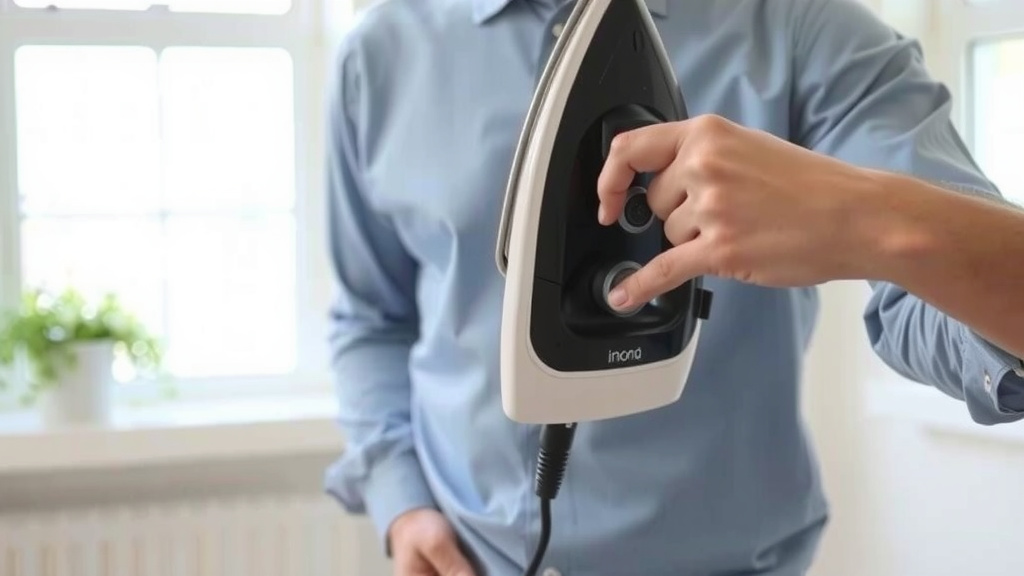
Set your iron to the appropriate fabric temperature. Then, turn on the steam function. Most irons have a button or dial for this. You should hear a gentle hissing sound as it heats up and produces steam.
Steaming the Shirt Directly
Hold the iron a few inches above the fabric. Hover the iron over the wrinkled areas, allowing the steam to work its magic. Keep the iron moving so it doesn’t linger too long in one spot. You’ll see the wrinkles start to fall away as the steam penetrates the fibers.
For Stubborn Wrinkles
If a wrinkle is being particularly stubborn, you can lightly mist the area with a little water from a spray bottle first. Then, use the steam function. This double-whammy of moisture and heat is often all you need. Be gentle, though; you don’t want to soak the shirt.
Important Considerations for Different Fabrics
Not all fabrics are created equal, and you need to treat them accordingly. Using the wrong heat or too much moisture can cause damage. Always check that care label!
| Fabric Type | Recommended Heat Setting | Steam Usage | Special Notes |
|---|---|---|---|
| Cotton | Medium-High | Yes, with caution | Can handle a bit more heat and moisture. |
| Linen | High | Yes, generously | Wrinkles easily, steams well. Ensure it’s fully dry before ironing. |
| Polyester | Low-Medium | Lightly, or none | Can melt easily. Test a small, hidden area first. |
| Silk | Low | Very lightly, or none | Delicate. Use the damp cloth method on the reverse side. Avoid direct steam. |
| Rayon/Viscose | Low | Lightly, or none | Prone to water spots. Iron when slightly damp and on the reverse side. |
A Quick Checklist for Steaming Success
Want a super quick reminder of the steps? Here’s a handy checklist:
- Check your shirt’s care label.
- Set your iron to the correct temperature.
- Fill the water reservoir (if using steam function).
- Prepare your damp cloth (if using that method).
- Hover or glide iron gently over wrinkles.
- Hang your shirt immediately to prevent new wrinkles.
Following these steps will help you achieve a beautifully steamed shirt without a dedicated steamer. It’s a simple yet effective way to look your best!
Conclusion
You’ve learned that steaming a shirt with your iron is totally achievable! By using either the damp cloth method or your iron’s built-in steam function, you can effectively remove wrinkles. This technique is a fantastic way to save time and achieve a polished look, especially when a garment steamer isn’t available. Remember to always check your fabric’s care label to select the right temperature. Now go forth and conquer those wrinkles with confidence!
Frequently Asked Questions
Can I use tap water in my iron for steaming?
Yes, you can usually use tap water. However, distilled water is recommended by many experts because it prevents mineral buildup. Over time, minerals from tap water can clog your iron’s steam vents. This can reduce its effectiveness and lifespan.
What if my iron doesn’t have a steam function?
No problem! The damp cloth method is your best friend in this situation. You’ll simply dampen a clean cloth, place it over the wrinkles, and then iron over the cloth. The heat from the iron will create steam through the damp fabric, smoothing out your shirt.
How close should I hold the iron to the shirt when steaming?
When using your iron’s steam function directly on a shirt, hold the iron a few inches above the fabric. Allow the steam to gently penetrate the wrinkles. Always keep the iron moving to prevent the fabric from getting too hot or damaged in one spot.
Can I steam any type of fabric this way?
You need to be careful with certain fabrics. While cotton and linen handle steam well, delicate materials like silk and rayon require a much gentler approach. Always check the care label and consider using the damp cloth method on the reverse side of the fabric with a low heat setting.
How long should I steam a wrinkled area?
For the damp cloth method, iron over the cloth for about 10-15 seconds per section. If using your iron’s steam function directly, hover over wrinkles until they begin to relax. Keep the iron moving to avoid overheating or waterlogging the fabric.