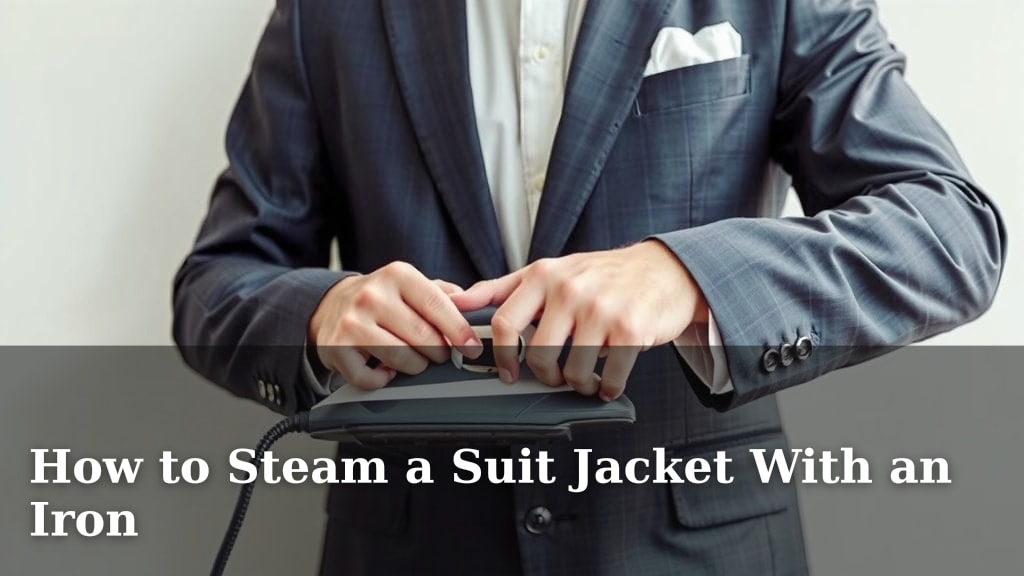
How to Steam a Suit Jacket With an Iron
Yes, you can absolutely steam a suit jacket with an iron to remove wrinkles! It’s a quick and effective method to refresh your suit when you don’t have a steamer handy. You’ll want to use a low heat setting and keep the iron from touching the fabric directly to avoid damage.
This technique is a lifesaver for busy professionals or anyone needing their suit to look sharp in a pinch. We found that mastering this skill can save you time and money on dry cleaning. It’s all about using the steam effectively for a smooth, wrinkle-free finish.
- Use your iron on a low heat setting.
- Never let the iron touch the suit fabric directly.
- Hold the iron a few inches above the jacket.
- Let the steam work its magic to smooth out wrinkles.
Ready to get your suit looking its best? Let’s walk through exactly how to steam your suit jacket using just your iron.
Refreshing Your Suit Jacket with an Iron’s Steam
You can easily banish wrinkles from your suit jacket using an iron and its steam function. This method is surprisingly effective. It’s a go-to technique when you need a crisp look without a professional steamer. We found that with the right approach, your suit will look good as new.
Gathering Your Supplies
Before you start, make sure you have everything ready. A clean iron is key. You also need a sturdy, flat surface. A padded ironing board works best. It protects your jacket while you work. You’ll also need a spray bottle filled with clean water. This is for adding extra moisture if needed.
What You’ll Need:
- A clean iron with a steam setting
- A padded ironing board or a clean, flat surface
- A spray bottle with clean water (optional, for stubborn wrinkles)
- A towel or pressing cloth (optional, for extra protection)
Preparing Your Suit Jacket
Your suit jacket needs to be ready for steaming. First, check the care label inside the jacket. This tells you the fabric type and recommended heat setting. Most suit jackets can handle steam. However, some delicate fabrics might need extra caution. Ensure the jacket is free of dust or debris. Brush it down gently.
Understanding Your Jacket’s Fabric
Different fabrics react differently to heat and steam. Wool and wool blends are generally very forgiving. They respond well to steam. Synthetic fabrics like polyester can be trickier. They might melt or get shiny if the iron is too hot. Always start with the lowest heat setting your iron offers. This is the safest bet for most materials. Research suggests that excessive heat can damage synthetic fibers permanently (National Textile Association).
Setting Up Your Ironing Station
Find a space with good lighting and ventilation. Set up your ironing board. Make sure it’s stable. If you don’t have an ironing board, a thick blanket over a table can work in a pinch. Just be sure the surface is heat-resistant. You don’t want to damage your furniture. Having everything within easy reach saves time and effort.
The Steaming Process: Step-by-Step
Now, let’s get to the actual steaming. This process is about using the steam to relax the fabric fibers. The goal is to let the moisture do the work. You are essentially coaxing the wrinkles out. It’s like giving your suit a mini spa treatment.
Step 1: Fill Your Iron and Set the Heat
Fill your iron’s water reservoir. Use distilled or demineralized water if possible. This prevents mineral buildup in your iron. Select the lowest heat setting on your iron. Look for a setting suitable for delicates or silk. Turn on the steam function. Allow the iron to heat up completely. You should see steam coming from the soleplate.
Step 2: Begin Steaming the Jacket
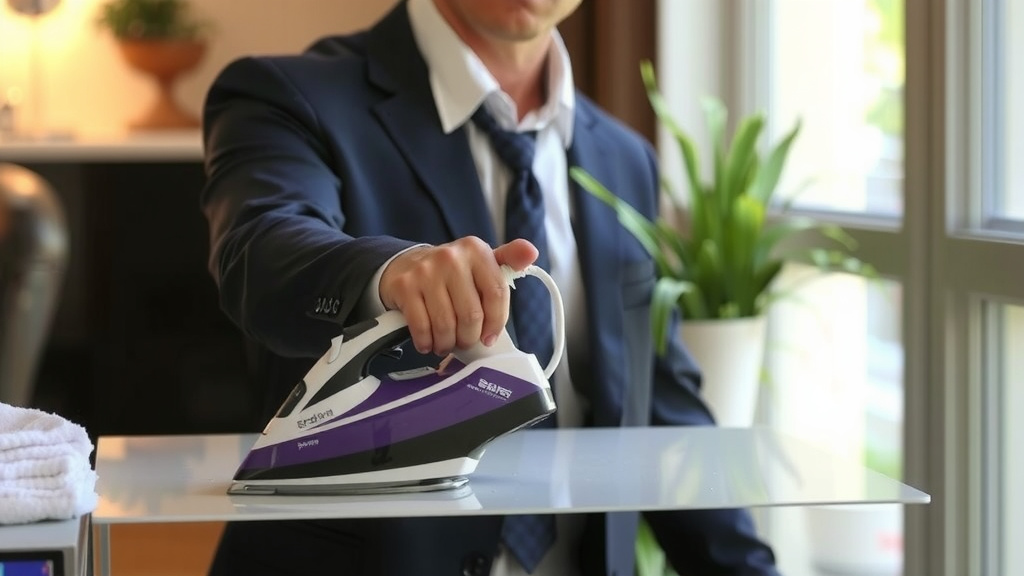
Hang the suit jacket on a sturdy hanger. Make sure it’s hanging smoothly. Drape it over the end of your ironing board if needed. Hold the iron a few inches above the fabric. Do NOT let the iron touch the jacket. Move the iron slowly over the wrinkled areas. Let the steam penetrate the fabric. You should see wrinkles begin to disappear.
Working on Different Areas
Start with the larger panels, like the back and front. Then move to the sleeves and collar. For stubborn wrinkles, you might need a second pass. You can also lightly mist the area with your spray bottle. Then, reapply the steam. Keep the iron moving. This prevents any one spot from getting too hot.
Step 3: Letting the Jacket Dry and Cool
Once you’ve steamed the entire jacket, hang it up. Let it air dry completely. This can take 15-30 minutes. Do not put the jacket back in your closet while it’s still damp. This can lead to new wrinkles or even mildew. Allowing it to cool helps set the fabric. It ensures the smoothness lasts.
Important Tips for Success
A few extra tips can make this process even better. They help ensure your jacket looks its best and stays undamaged. Think of these as the pro secrets to a perfectly steamed suit.
Do’s and Don’ts of Iron Steaming
| Do | Don’t |
|---|---|
| Use a low heat setting. | Touch the iron directly to the fabric. |
| Keep the iron moving. | Steam a dirty jacket. |
| Test steam on an inconspicuous area first. | Use high heat on synthetic fabrics. |
| Hang the jacket to dry. | Rush the drying process. |
When to Seek Professional Help
While this method is great for minor wrinkles, some issues are best left to the pros. If your jacket has very delicate embellishments, heavy beading, or intricate pleating, consider dry cleaning. Some fabrics, like certain silks or velvets, might also require special care. Always err on the side of caution with expensive or heirloom pieces. Many professional cleaners offer express services if you’re in a time crunch.
Your Suit Steaming Checklist
Here’s a quick checklist to ensure you’ve got everything covered:
- Iron is clean and has steam.
- Heat setting is on low.
- Jacket is hanging properly.
- Iron stays a few inches above fabric.
- Jacket is allowed to air dry completely.
Conclusion
You’ve learned how to skillfully steam your suit jacket using just an iron. This method is a fantastic way to keep your suit looking sharp without a trip to the dry cleaner. Remember to always use a low heat setting and keep the iron hovering above the fabric. With these simple steps, you can easily refresh your suit and tackle those pesky wrinkles. Now you’re ready to give your suit jacket that polished look anytime you need it.
Frequently Asked Questions
Can I use tap water in my iron for steaming a suit jacket?
While you can use tap water, it’s best to use distilled or demineralized water. Tap water can contain minerals that build up in your iron over time. This buildup can eventually clog the steam vents and potentially stain your suit jacket.
What if I don’t have a steam setting on my iron?
If your iron doesn’t have a steam setting, you can still achieve a similar effect with caution. Heat your iron to a low setting. Then, use a spray bottle filled with water to lightly mist the wrinkled area of the jacket. Immediately follow by holding the hot iron a few inches above the damp fabric. The steam generated by the hot iron and the moisture will help relax the fibers.
How do I prevent my suit jacket from getting shiny spots?
Shiny spots often occur when the iron is too hot or directly touches synthetic fabrics. Always start with the lowest heat setting. Never let the iron come into direct contact with the fabric. If you’re concerned, you can place a thin towel or a pressing cloth between the iron and the jacket. This adds an extra layer of protection.
Is this method safe for all suit jacket fabrics?
This method is generally safe for most common suit fabrics like wool and wool blends. However, you should always check the care label first. Delicate fabrics like silk or rayon, or suits with embellishments, might require professional cleaning. When in doubt, test the steam on an inconspicuous area, like the inside hem, first.
How long should I let my suit jacket air dry after steaming?
You should let your suit jacket air dry completely, which usually takes about 15 to 30 minutes. Avoid putting it away or wearing it while it’s still damp. Allowing it to dry fully ensures that wrinkles stay out and prevents any potential mildew growth in your closet.