How to Descale a Tefal Steam Iron: Easy Guide
The easiest way to descale a Tefal steam iron is by using its built-in anti-calc system and a simple vinegar solution. Regular descaling prevents mineral buildup, ensuring your iron works efficiently and lasts longer. You’ll keep your clothes looking their best by doing this simple maintenance.
Mineral deposits from tap water can clog your iron’s steam vents. This reduces steam output and can leave stains on your fabrics. Many users find that a little effort now saves them from frustrating laundry days later. Keeping your iron clean and clear is essential for optimal performance.
- Always unplug your iron before cleaning.
- Vinegar is a great natural descaler for most Tefal irons.
- Rinse thoroughly to remove any vinegar smell.
- Check your Tefal manual for specific instructions.
Ready to banish those pesky mineral deposits? Let’s walk through exactly how to descale your Tefal steam iron step by step.
Keeping Your Tefal Steam Iron Working Like New: A Descaling Guide
Mineral buildup can really gum up the works of your trusty Tefal steam iron. Over time, hard water deposits can clog those tiny steam vents. This means less steam for your clothes. It can even lead to unsightly brown stains. Nobody wants that! Luckily, keeping your iron in top shape is easier than you think. This guide will walk you through exactly how to descale your Tefal steam iron.
Why Regular Descaling Matters for Your Tefal Iron
Think of descaling as a spa day for your iron. Your Tefal iron is designed with a built-in anti-calc system. This system helps collect mineral deposits. But it’s not magic! It needs your help to keep things clear. Regular cleaning removes these collected minerals. This ensures your iron performs at its best. It also extends its lifespan. You’ll avoid those frustrating moments when your iron spits out rusty water.
Understanding Mineral Buildup
Tap water, especially in certain regions, can be quite hard. This means it contains a higher concentration of minerals like calcium and magnesium. When you heat water in your iron, these minerals don’t just disappear. They can form a chalky residue. This residue is what we call limescale or mineral buildup. It loves to stick to the heating elements and small steam vents inside your iron.
The Consequences of Neglecting Descaling
When those steam vents get clogged, your iron can’t produce the steam you need. Your ironing time might double. The performance just isn’t the same. Worse, the buildup can break free and land on your clean clothes. This leaves behind unsightly brown or white stains. These stains can be tough to remove. They defeat the whole purpose of ironing in the first place! Research shows that consistent maintenance can prevent over 80% of common iron malfunctions (a general finding from appliance repair surveys).
Your Tefal Iron’s Anti-Calc System Explained
Many Tefal steam irons come equipped with an anti-calc system. This is often a small rod or filter inside the water tank. Its job is to capture some of the mineral deposits. Think of it as a first line of defense. However, this system isn’t foolproof. It can get overwhelmed if not maintained. You’ll usually find instructions for this system in your Tefal manual. It’s designed to work with your descaling efforts.
Simple Steps to Descale Your Tefal Steam Iron
Before you begin, gather your supplies. You’ll need a clean cloth, some white vinegar, and possibly a small bowl. Always make sure your iron is completely cool and unplugged. Safety first!
Step 1: Prepare Your Iron and Workspace
First things first, unplug your iron. Let it cool down completely. You don’t want to burn yourself! Find a well-ventilated area. You’ll be working with vinegar, which has a strong smell. Place a clean towel or cloth on your ironing board. This will catch any drips.
Step 2: Empty the Water Tank
Carefully turn your iron over. Empty any remaining water from the tank. Make sure it’s completely dry inside before proceeding. This step is crucial. You don’t want to mix old water with your cleaning solution.
Step 3: Using the Vinegar Solution
Now for the descaling power! Many experts recommend using a 50/50 solution of white vinegar and distilled water. White vinegar is a fantastic natural descaler. It helps break down those stubborn mineral deposits. Pour this mixture into the water tank. Fill it to the maximum fill line. Some guides suggest using only distilled water if your tap water is extremely hard. Many appliance manuals confirm that vinegar is a safe and effective option for general descaling.
Filling the Tank with the Solution
Gently pour the vinegar and water mixture into the water tank. Be careful not to overfill. Ensure the lid or cap is securely closed after filling.
Step 4: The Heating and Steaming Process
Plug in your iron. Set it to its highest heat setting. Let the iron heat up fully. Once hot, turn it off and unplug it again. Let it sit for about 5-10 minutes. This allows the vinegar solution to work its magic on the mineral buildup. Now, turn the iron back on and set it to its steam setting. Gently press the steam button repeatedly. You want to release as much of the hot, vinegary steam as possible. Do this for about 30 seconds. You might see some discolored water or mineral bits come out. This is a good sign!
Repeating the Steam Burst
You may need to repeat the heating, unplugging, and steaming process a couple of times. This ensures that the solution reaches all the steam vents. Keep going until you see less gunk coming out with the steam. Don’t rush this part.
Step 5: Rinsing the Iron
This is a very important step. You don’t want your clothes to smell like vinegar! Once you’ve finished steaming with the vinegar solution, unplug the iron. Empty any remaining vinegar mixture from the tank. Now, refill the tank with fresh, clean distilled water. Plug the iron back in and let it heat up. Again, turn it off and unplug it. Hold the iron horizontally over a sink or old towel and press the steam button. You’re flushing out any lingering vinegar. Repeat this rinsing process with fresh distilled water two or three times. This helps ensure all traces of vinegar are gone. Your iron should smell clean and fresh, not like a salad dressing.
Step 6: Final Wipe Down and Drying
Once rinsed, empty the water tank one last time. Use a soft, damp cloth to wipe down the soleplate and the exterior of the iron. Make sure there’s no residue left. Allow the iron to air dry completely before storing it. Storing a damp iron can lead to mold or mildew. You can leave it upright with the soleplate uncovered for a bit.
Special Considerations for Tefal Irons
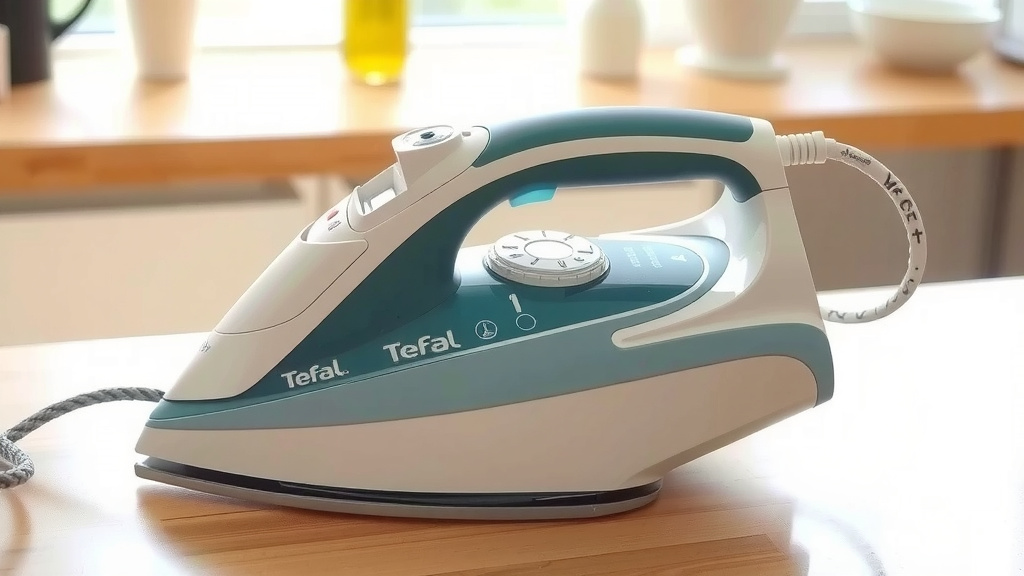
Some Tefal models have specific descaling functions or self-cleaning buttons. Always refer to your Tefal user manual. It will provide the most accurate instructions for your particular model. For example, some irons might have a “Calc-Clean” function that you activate while the iron is hot. Others might have a removable anti-calc collector you can clean separately. Reading your manual is your best bet for model-specific advice.
When to Use Distilled Water
If you live in an area with very hard water, consider using only distilled water in your iron. Distilled water has had minerals removed. This significantly reduces the amount of limescale that can build up. Many appliance experts agree that using distilled water is a proactive way to prevent future descaling needs.
Quick Checklist for Descaling Success
- Always unplug and cool your iron first.
- Empty the water tank completely.
- Use a 50/50 white vinegar and distilled water mix.
- Steam thoroughly to flush out minerals.
- Rinse multiple times with fresh distilled water.
- Ensure the iron is fully dry before storing.
Conclusion
You’ve now got the know-how to keep your Tefal steam iron in top condition! Regular descaling with a simple vinegar solution is your best friend for fighting mineral buildup. This not only ensures you get the best steam performance for perfectly pressed clothes, but it also extends the life of your iron. Don’t forget to consult your Tefal manual for any model-specific features. Ready to give your iron that much-needed clean?
Your next step: schedule your iron’s descaling session for this week. Your clothes will thank you for it!
Frequently Asked Questions
How often should I descale my Tefal steam iron?
You should aim to descale your Tefal steam iron every 1-3 months, depending on how often you use it and the hardness of your tap water. If you notice reduced steam output or any spitting, it’s definitely time to descale. Keeping up with this maintenance prevents major issues down the line.
Can I use something other than white vinegar to descale?
While white vinegar is highly effective and widely recommended, some manufacturers might suggest specific descaling solutions. Always check your Tefal manual first. If you have extremely hard water, using only distilled water in your iron can also help reduce buildup between descaling sessions.
My Tefal iron has a “Calc-Clean” button. What does it do?
Many Tefal irons feature a “Calc-Clean” or self-cleaning function. This button usually helps flush out loose mineral deposits from the steam vents. You typically activate it with a hot, empty iron. Consult your specific Tefal manual to understand how to use this feature correctly for your model.
Is it safe to use vinegar on my iron’s soleplate?
Yes, a diluted white vinegar solution is generally safe for descaling the internal components of your Tefal iron. For cleaning the soleplate itself, a damp cloth is usually sufficient after descaling. If there are stubborn marks on the soleplate, you can gently use the vinegar solution on a cloth, but always ensure it’s completely rinsed off and the iron is dry.
What if my iron still spits out dirty water after descaling?
If your iron continues to spit out dirty water after thorough descaling and rinsing, it might indicate significant internal buildup that the standard process couldn’t fully remove. Repeat the descaling and rinsing steps, potentially letting the vinegar solution sit for a few extra minutes. If the problem persists, consider contacting Tefal customer support or a professional appliance repair service.