How to Descale a Steam Iron With Vinegar
Yes, you can easily descale a steam iron with vinegar. It’s a common household solution that effectively breaks down mineral buildup. Using vinegar can help your iron steam better and last longer. It’s a simple, budget-friendly fix for a common appliance problem.
Mineral deposits, often called limescale, can clog the tiny holes in your iron’s soleplate. This buildup happens over time as you use your iron with tap water. Cleaning these deposits ensures consistent steam output. It also prevents stained clothes and keeps your iron working at its best.
TL;DR:
- Vinegar is a great descaling agent for steam irons.
- It removes mineral buildup and restores steam function.
- This process is simple and saves you money.
- Regular descaling prolongs your iron’s lifespan.
Ready to give your iron a spa day with vinegar? Let’s walk through exactly how this works step by step.
Give Your Steam Iron a Vinegar Spa Treatment
Is your trusty steam iron sputtering more than steaming? You’re likely dealing with a common issue: limescale buildup. But don’t worry, a simple, effective solution is probably already in your pantry – vinegar! We’ll guide you through cleaning those mineral deposits so your iron can perform like new.
Why Your Iron Needs a Vinegar Detox
Over time, the minerals in tap water can build up inside your steam iron. This is known as limescale. It’s like tiny, stubborn barnacles clinging to the heating elements and steam vents. When this happens, your iron’s steam output drops. It might even start spitting out brown gunk. This not only ruins your ironing experience but can also stain your clothes. Research shows that mineral deposits are a leading cause of steam iron malfunctions (Consumer Reports).
The Science Behind Vinegar’s Cleaning Power
Vinegar, particularly white distilled vinegar, is acidic. This acidity is key. It reacts with the alkaline mineral deposits, breaking them down. Think of it like dissolving a stubborn stain. The acetic acid in vinegar gently dissolves calcium and magnesium deposits. These are the main components of limescale. It’s a safe and effective way to clean. Many household cleaning guides recommend vinegar for its natural descaling abilities.
Signs Your Iron Needs Descaling
How do you know if your iron is crying out for a vinegar bath? Here are some tell-tale signs:
- Weak or inconsistent steam: If you’re barely getting any steam, or it comes out in spurts, it’s time.
- Spitting or dripping: Does your iron leak water or spit out brown specks? That’s limescale making an exit.
- Visible mineral buildup: Sometimes you can see white or brown deposits around the steam vents.
- Stains on clothes: If you notice odd brown or white marks after ironing, your iron might be the culprit.
- Reduced heating efficiency: While less common, severe buildup can affect how well your iron heats up.
Gather Your Descaling Supplies
Before you begin, make sure you have everything you need. This keeps the process smooth and efficient. You don’t want to stop halfway through to search for a missing item.
What You’ll Need
It’s a short list of common household items:
- White distilled vinegar: This is the star ingredient. Avoid apple cider or other flavored vinegars.
- Water: You’ll need some clean water for rinsing.
- A clean cloth or paper towels: For wiping down the soleplate.
- An old towel or newspaper: To protect your ironing board and surrounding surfaces.
- A sink or basin: For holding the iron during the process.
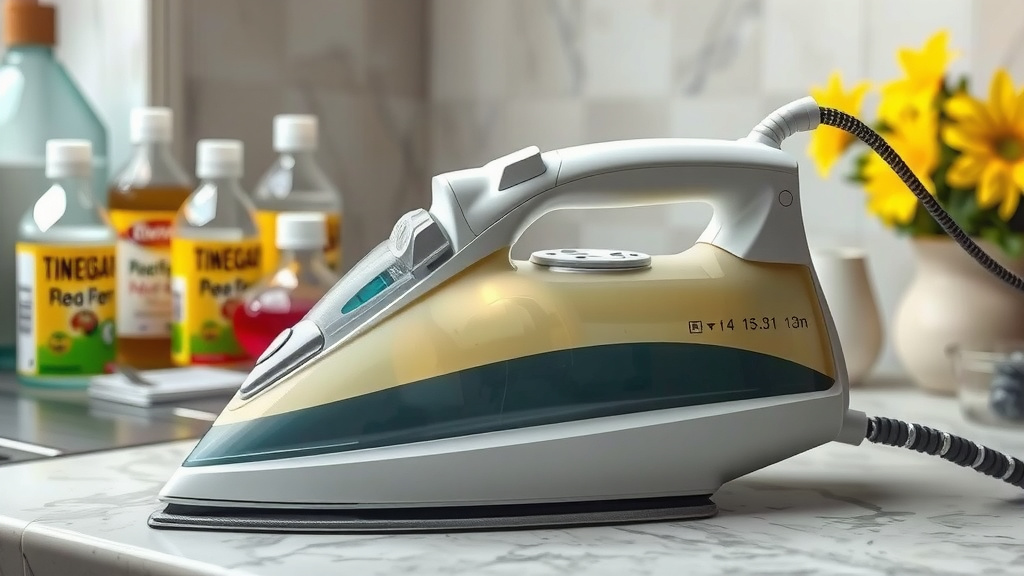
Step-by-Step Guide to Descaling Your Iron with Vinegar
Now, let’s get your iron sparkling clean. Follow these steps carefully for the best results.
Step 1: Prepare Your Iron and Workspace
Start by unplugging your iron. Let it cool down completely if it was recently used. This is a safety precaution. Lay down an old towel or newspaper on your ironing board. This catches any drips. You’ll want to work in a well-ventilated area. The vinegar smell can be strong.
Step 2: Mix Your Vinegar Solution
In a separate container, mix equal parts white distilled vinegar and water. A 1:1 ratio is generally effective. For example, use half a cup of vinegar and half a cup of water. This dilution helps prevent damage to your iron’s components.
Step 3: Fill the Water Reservoir
Carefully pour the vinegar-water solution into your iron’s water reservoir. Do not fill it past the maximum fill line. Ensure the iron is upright. Many manufacturers suggest this specific solution ratio in their care guides.
Step 4: Heat Up and Steam Out the Buildup
Plug in your iron. Set it to a medium-high heat setting. Allow the iron to heat up for about 5-10 minutes. Once hot, hold the iron horizontally over your sink or basin. You might want to wear gloves. Depress the steam button repeatedly. You should see steam and possibly some cloudy water or mineral flakes coming out. Continue this until the reservoir is nearly empty. This process helps push the vinegar solution through the steam vents.
Step 5: Empty and Rinse the Reservoir
Unplug the iron again. Let it cool down for a few minutes. Empty any remaining vinegar solution from the reservoir. Now, rinse the reservoir thoroughly with clean water. You might need to do this a couple of times. This removes any residual vinegar. A thorough rinse is essential for avoiding vinegar smells on your clothes later.
Step 6: Flush with Clean Water
Fill the reservoir with fresh, clean water. Plug the iron back in. Heat it up again. Hold it over your sink and press the steam button several times. This flushes out any remaining vinegar or loosened mineral deposits. You should see only clear steam. This step ensures no vinegar residue is left behind.
Step 7: Clean the Soleplate
While the iron is still warm (but unplugged and safe to handle), wipe down the soleplate with a damp cloth. This removes any external mineral deposits or residue. If there are stubborn spots, you can use a soft brush or an old toothbrush. Be gentle. You don’t want to scratch the surface. Make sure the soleplate is completely dry before storing.
Step 8: A Final Steam Test
Plug in the iron one last time. Let it heat up fully. Test the steam function on an old piece of fabric or a towel. You should see consistent, clear steam. This confirms your descaling efforts were successful.
Keeping Your Iron in Top Shape: Regular Maintenance
Descaling your iron with vinegar isn’t just a one-time fix. Regular maintenance is key to a long-lasting, high-performing iron. Experts suggest descaling every 1-3 months, depending on your water hardness and how often you use the iron (Appliance Manufacturer Association).
Frequency Checklist
Here’s a quick guide to help you remember:
- Hard Water Areas: Aim for monthly descaling.
- Average Water Hardness: Every 2-3 months should suffice.
- Infrequent Use: Descale before storing for extended periods.
- Noticeable Steam Issues: Don’t wait for your next scheduled cleaning!
- Travel Irons: These can accumulate deposits quickly due to their small size.
By following these simple steps, you can keep your steam iron working efficiently. You’ll enjoy perfectly pressed clothes without the hassle. Happy ironing!
Conclusion
You’ve successfully learned how to breathe new life into your steam iron using a simple vinegar solution. This process effectively tackles mineral buildup, ensuring your iron steams powerfully and consistently. By following these steps, you’ve not only improved your iron’s performance but also extended its lifespan. Regular maintenance with vinegar is a smart way to keep your clothes looking their best. Don’t wait for another sputtering session; make descaling a regular part of your ironing routine for reliable results every time.
Frequently Asked Questions
Can I use any type of vinegar?
It’s best to stick with white distilled vinegar. Other types, like apple cider or red wine vinegar, can contain sugars or dyes that might leave residue or even damage your iron’s components. White vinegar is a pure, acidic cleaner perfect for descaling.
How often should I descale my steam iron?
The frequency depends on your water hardness and how often you use your iron. For hard water areas or frequent use, aim for monthly descaling. For average water and moderate use, every 2-3 months is usually sufficient. You can also descale if you notice performance issues.
Will the vinegar smell linger on my clothes?
If you properly rinse the reservoir and flush the system with clean water, the vinegar smell should dissipate completely. Make sure to run several cycles of clean water through the steam vents after the vinegar treatment to ensure no residue remains.
What if my iron manufacturer advises against vinegar?
Some manufacturers recommend specific descaling solutions or recommend using only distilled water. If your manual advises against using vinegar, it’s safest to follow their instructions. Using a non-recommended method could potentially void your warranty.
Can I use vinegar to clean the outside of my iron too?
Yes, a diluted vinegar solution can help clean the soleplate. After unplugging and letting the iron cool, you can use a cloth dampened with a 1:1 vinegar-water mix to wipe away external mineral deposits. Always ensure the soleplate is dry before your next use.