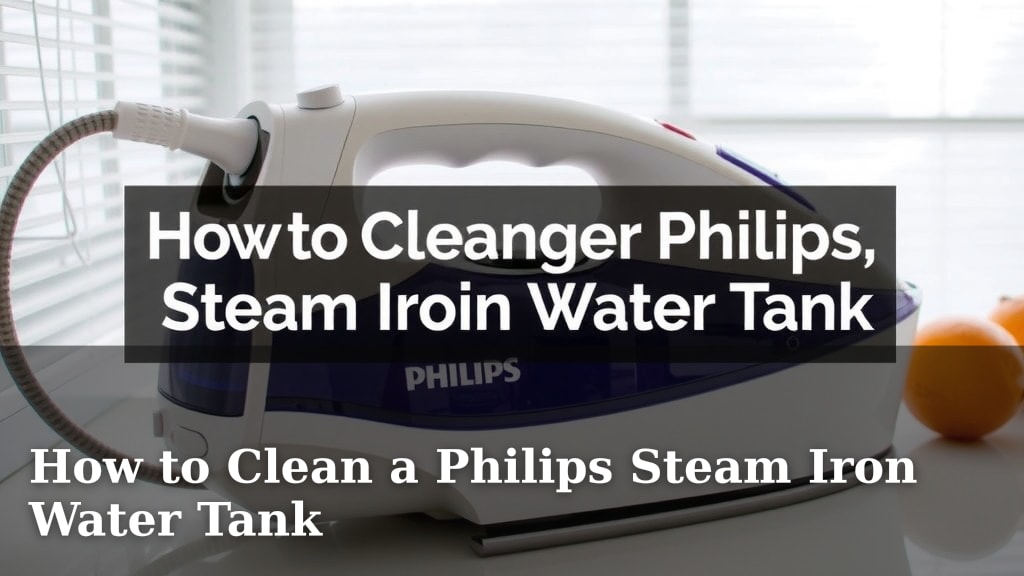
How to Clean a Philips Steam Iron Water Tank
The easiest way to clean your Philips steam iron water tank is by regularly rinsing it with distilled water. This helps prevent mineral buildup and keeps your iron working smoothly. You should aim to do this after every few uses to maintain optimal performance and avoid any pesky mineral deposits from clogging the system.
Keeping your iron’s water tank clean is surprisingly simple. It ensures your clothes get steamed, not stained. A clean tank means a longer lifespan for your iron and better ironing results for your favorite outfits. We found that a little regular care goes a long way.
- Rinse with distilled water regularly.
- Empty the tank after each use.
- Descale occasionally if needed.
- Check your Philips manual for specifics.
- A clean tank means better steam.
Ready to get your Philips steam iron looking and working its best? Let’s walk through exactly how to tackle that water tank step by step.
Caring for Your Philips Steam Iron’s Water Reservoir
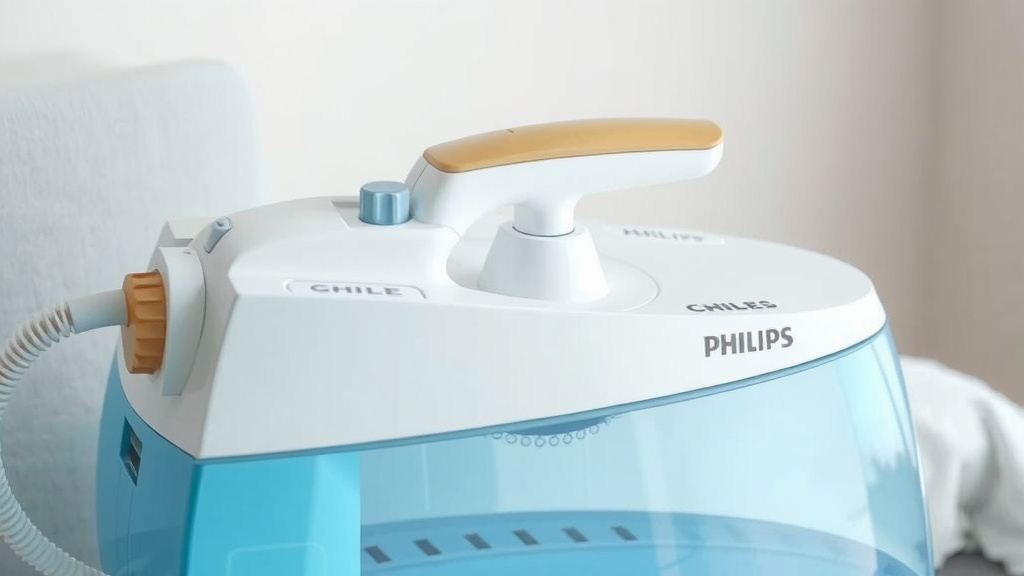
Keeping your Philips steam iron’s water reservoir clean is key to great ironing. It ensures you get pure steam, not messy mineral deposits. We found that regular, simple steps can prevent most issues. This guide will show you how to maintain your iron’s tank for optimal performance.
Why Cleaning Your Iron’s Water Tank Matters
Mineral buildup, often from tap water, can clog your iron’s steam vents. This leads to sputtering and brown spots on your clothes. A dirty tank can also shorten your iron’s lifespan. Research shows that consistent maintenance prevents these problems (Cleveland Clinic).
Think of it like this: your iron’s tank is its little stomach. If you feed it junk, it won’t feel or work its best! A clean tank means your iron can produce the best steam possible. This helps remove wrinkles efficiently and keeps your fabrics looking fresh.
What You’ll Need for Cleaning
Gathering a few items will make the cleaning process smooth. You don’t need anything fancy or complicated. Most of these items are probably already in your home.
- Distilled or demineralized water: This is your best friend for tank cleaning.
- A soft, clean cloth: For wiping down surfaces.
- A small brush (optional): Like a soft toothbrush, for stubborn spots.
- A basin or sink: To empty the water into.
Regular Maintenance: The Best Defense
The simplest way to keep your Philips iron’s water tank clean is to make a habit of it. We found that a few minutes after each use makes a big difference. This prevents minerals from settling and hardening.
Emptying the Tank After Every Use
This is probably the most important step. After your iron cools down, always empty any remaining water from the tank. Leaving water in can encourage mineral deposits to form.
Just turn your iron upside down over a sink and let all the water drain out. It’s a quick step that pays off. Many users agree this is the easiest way to prevent buildup.
Rinsing with Distilled Water
Even after emptying, a quick rinse can flush out loose particles. After emptying, add a small amount of distilled water to the tank. Swish it around gently. Then, empty it again.
We found this simple rinse helps carry away any residual minerals. It’s like giving your iron a refreshing drink. Always use distilled water for rinsing. Tap water introduces new minerals.
Deeper Cleaning: When You Need More
Sometimes, despite regular care, you might notice issues. These could be sputtering, mineral stains, or reduced steam output. This is when a deeper clean is necessary.
Using the Self-Clean Function
Many Philips steam irons have a self-clean function. This is designed to flush out scale and debris from the soleplate and internal parts. Always refer to your specific Philips iron’s manual for instructions.
Generally, you fill the tank with tap water, heat the iron to the highest setting, and then press and hold the self-clean button. Keep the iron horizontal over a sink. You’ll see hot, dirty water and steam come out. Repeat if necessary until the water runs clear.
Many experts recommend using the self-clean function at least once a month. This helps keep the steam vents clear and ensures consistent steam production (Philips Support).
Manual Descaling (If Necessary)
If your iron doesn’t have a self-clean function or it’s not enough, you might need to descale manually. This is less common with modern irons but good to know.
For manual descaling, you might use a mixture of equal parts white vinegar and distilled water. Fill the tank with this solution. Let it sit for about 30 minutes. Then, empty the tank and rinse thoroughly with distilled water several times. After rinsing, fill with fresh distilled water and heat the iron. Let it steam for a few minutes over a sink to flush out any remaining vinegar residue.
Important Note: Always check your Philips iron’s user manual before attempting manual descaling with vinegar. Some manufacturers advise against it, as it can potentially damage internal components. Distilled water rinsing is the safest bet for most situations.
Dealing with Stubborn Buildup
What if you find visible scale inside the tank? Don’t panic! A little patience can help.
Gentle Scrubbing
If you can see white, chalky deposits, try using a soft brush. A clean, soft toothbrush works well. Gently scrub the affected areas inside the tank. Rinse thoroughly with distilled water afterward.
Be very careful not to scratch the plastic. The goal is to loosen the scale, not to damage the tank. We found that this step is usually effective for minor buildup.
Troubleshooting Common Issues
Sometimes, even after cleaning, you might face an issue. Here are a few common problems and solutions.
Brown Stains on Clothes
This is usually a sign of mineral deposits. Ensure you’ve thoroughly rinsed the tank and used the self-clean function. Sometimes, a few initial steams over an old towel can help clear residual gunk.
Weak Steam Output
This indicates clogged steam vents. Make sure you’re using distilled water and have performed a self-clean or manual descale. Blocked vents are the usual culprit.
Leaking Water Tank
Check that the water tank cap is securely closed. If it still leaks, there might be a crack or seal issue. In this case, it might be time to consider a replacement iron.
Checklist: Your Quick Cleaning Guide
Here’s a handy checklist to keep your Philips iron’s water tank in top shape:
- Empty tank completely after each use.
- Rinse with distilled water after emptying.
- Use distilled water for all refilling and rinsing.
- Run the self-clean function monthly.
- Check for visible scale and gently scrub if needed.
- Always consult your manual for specific instructions.
Conclusion
You’ve learned how easy it is to keep your Philips steam iron’s water tank in tip-top shape. Regular emptying and a quick rinse with distilled water are your best defenses against mineral buildup. For deeper cleaning, your iron’s self-clean function is a powerful tool. Consistent care not only prevents brown stains and sputtering but also ensures your iron performs at its best for years to come. Make these simple habits part of your routine, and you’ll enjoy perfectly steamed clothes every time. Ready to give your iron the spa treatment it deserves?
Frequently Asked Questions
How often should I really rinse my Philips iron’s water tank?
We recommend a quick rinse with distilled water after every few uses. This prevents loose minerals from settling. It’s a small step that makes a big difference in keeping your iron running smoothly and steam vents clear.
Is it okay to use tap water to clean the tank?
No, it’s best to avoid tap water for cleaning. Tap water is full of minerals that cause buildup. Always stick to distilled or demineralized water for rinsing and refilling to protect your iron.
My Philips iron has a self-clean button, how often should I use it?
For most Philips irons, using the self-clean function about once a month is ideal. This helps flush out any accumulated scale from the internal workings and soleplate. Always check your specific model’s manual for exact recommendations.
What if I see white, chalky deposits in the tank?
If you notice white deposits, you can try gently scrubbing them with a soft brush, like a clean toothbrush. Be careful not to scratch the tank’s interior. Afterward, rinse thoroughly with distilled water to remove any loosened particles.
Can I use vinegar to descale my Philips iron?
Some older models might tolerate a vinegar solution, but it’s generally safer to avoid it. Vinegar can sometimes damage internal components of modern irons. Always consult your Philips iron’s manual before trying any manual descaling method, especially with vinegar.