How to Clean a Philips Steam Iron: Easy Guide
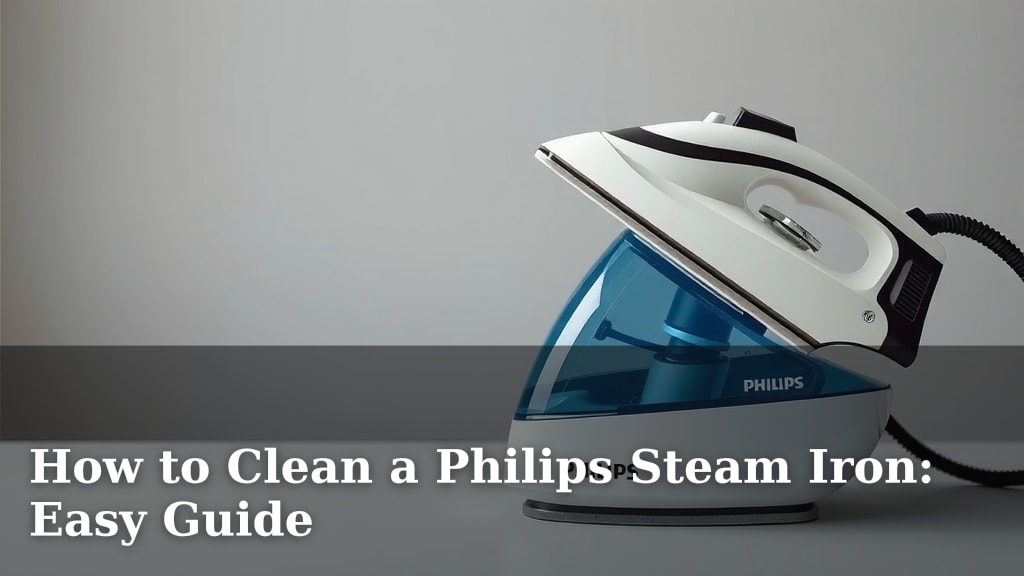
The easiest way to clean a Philips steam iron is by using a damp cloth and a little white vinegar. You can easily tackle mineral buildup and keep your iron working smoothly. Cleaning your iron regularly ensures crisp, wrinkle-free clothes every time you steam.
Mineral deposits can clog the steam vents, leading to sputtering and brown stains on your fabrics. Regularly cleaning your Philips iron, especially the soleplate, is essential for its longevity and performance. Many users report that a clean iron makes ironing much faster.
TL;DR:
- Use a damp cloth and white vinegar for basic cleaning.
- Unplug your iron and let it cool completely first.
- Wipe the soleplate gently to remove residue.
- Descale the water tank periodically for best steam.
- Always rinse and dry the iron thoroughly afterward.
Ready to make your Philips iron shine again? Let’s walk through exactly how to get that soleplate spotless and those steam vents clear!
“`htmlKeeping Your Philips Steam Iron Pristine: A Simple Approach
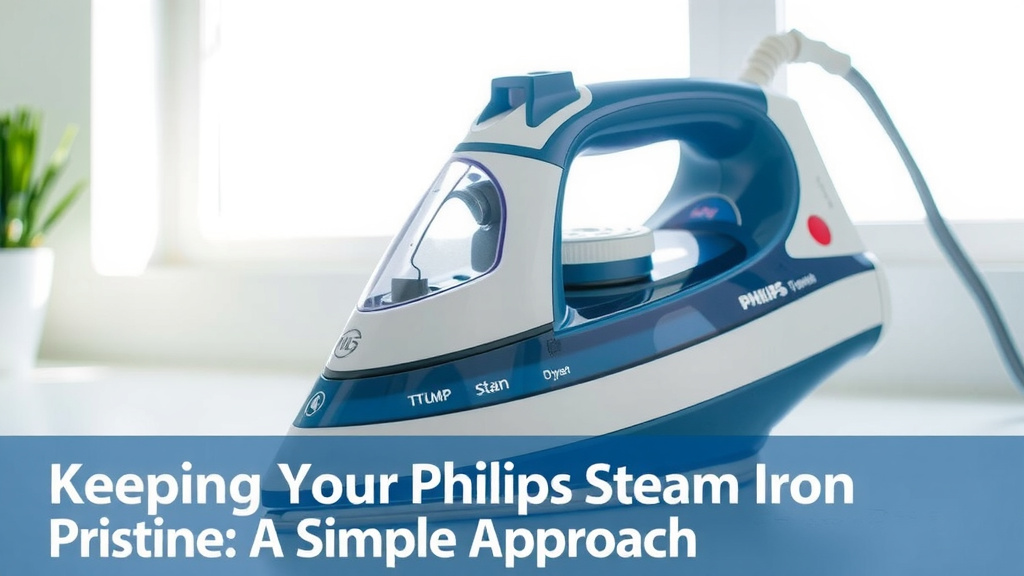
Your Philips steam iron is a fantastic tool for getting clothes looking sharp. But, over time, mineral deposits can build up. This can affect how well your iron works. We’re here to guide you through a straightforward cleaning process. It will help keep your iron in top shape for smooth ironing sessions.
Essential Steps Before You Begin Cleaning
Before you start any cleaning, safety comes first. Always ensure your iron is unplugged from the wall socket. Let it cool down completely. This is very important to prevent burns. Gathering your supplies beforehand also makes the process much smoother. You wouldn’t want to stop mid-clean to find a cloth, right?
Gathering Your Cleaning Supplies
You likely have most of what you need right in your home. Here’s a quick list:
- A soft, damp cloth
- White vinegar
- A cotton swab or old toothbrush
- A clean, dry cloth for buffing
- A small bowl for the vinegar
These simple items are all you need to tackle common iron issues. No need for harsh chemicals that could damage your iron or fabrics. It’s all about gentle, effective cleaning.
Cleaning the Iron’s Soleplate: Your Primary Focus
The soleplate is the part that touches your clothes. Keeping it clean is key. A smooth, residue-free soleplate glides easily. It prevents snagging and ensures even heat distribution. We want it to feel like new!
Dealing with Light Residue and Stains
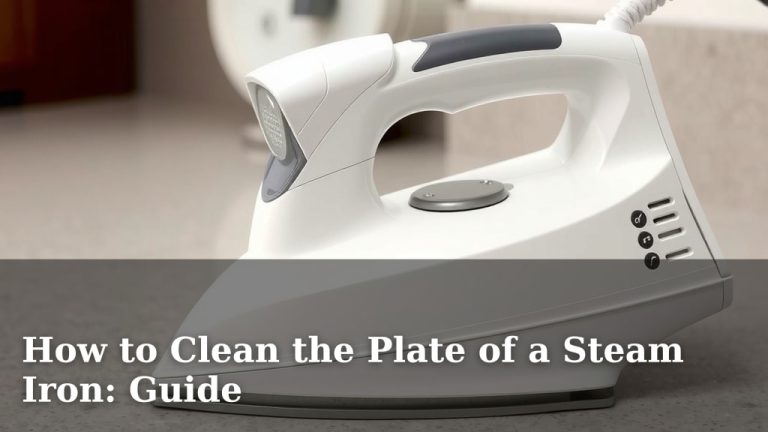
For everyday grime or minor sticky spots, a damp cloth is often enough. Simply dampen a soft cloth with water. Gently wipe the cool soleplate. For tougher spots, like melted fabric or synthetic residue, a bit of white vinegar can work wonders. Dip a corner of your cloth into white vinegar. Gently rub the affected area. Avoid soaking the soleplate, as excess moisture can seep into the iron.
Tackling Stubborn Buildup
If you notice a bit more buildup, don’t panic. Research suggests that a paste made from baking soda and water can be effective. Mix equal parts baking soda and water to form a paste. Apply this paste to the cool soleplate, avoiding the steam vents. Let it sit for a few minutes. Then, gently wipe it away with a damp cloth. Follow up with a clean, dry cloth.
Important Note on Abrasives
We’ve found that it’s critical to avoid abrasive cleaners or scrubbers. Steel wool or harsh brushes can scratch the soleplate. Scratches can damage your clothes over time. Always opt for soft cloths and gentle methods.
Clearing Out the Steam Vents: Ensuring Perfect Steam
Clogged steam vents are a common problem. They lead to uneven steam output and can cause sputtering. Cleaning these small openings is vital for optimal performance.
Using Vinegar for Vents
Dip a cotton swab or the tip of an old toothbrush into undiluted white vinegar. Gently insert the swab into each steam vent. Swish it around carefully to loosen any mineral deposits. You might need to repeat this a few times. Be gentle to avoid pushing debris further into the iron. Many sources recommend this method for its effectiveness.
The Self-Clean Function Explained
Many Philips steam irons come with a ‘Calc-Clean’ or self-clean function. This is designed to flush out mineral buildup from the internal components. Consult your iron’s manual for specific instructions. Generally, you fill the water tank, heat the iron to a high setting, and then press and hold the self-clean button. Let the hot water and steam run out. This process is excellent for preventing long-term clogging. Many experts state that using the self-clean function regularly significantly extends an iron’s lifespan (Philips Support).
Maintaining the Water Tank: Preventing Internal Issues
The water tank is where your steam is generated. Keeping it clean ensures the steam is pure and free of debris.
Regular Rinsing is Key
After each use, or at least weekly, it’s a good practice to empty any remaining water from the tank. Rinse the tank with clean water. This helps prevent mineral buildup from settling. Many users find this simple habit makes a big difference in iron performance. If you use tap water, which is often hard, this step is even more important. Hard water contains more minerals.
Deep Cleaning the Tank (When Needed)
If you notice discoloration or a musty smell in the tank, a more thorough cleaning might be necessary. You can use a solution of equal parts white vinegar and distilled water. Pour this into the tank and let it sit for about 30 minutes. Swish it around gently. Then, drain the tank completely. Rinse thoroughly with clean water until the vinegar smell is gone. Always ensure the tank is completely dry before storing.
Final Touches and Storage
Once you’ve completed the cleaning, give your iron a final check. Wipe down the exterior with a damp cloth. Ensure the soleplate is dry and gleaming. Store your iron upright in a cool, dry place. This prevents any residual moisture from causing problems.
Your Ironing Checklist: Quick Maintenance Guide
Want to keep your Philips iron in tip-top shape? Follow these quick checks:
- Always unplug and cool down before cleaning.
- Wipe the soleplate gently after each use.
- Empty and rinse the water tank regularly.
- Use the self-clean function periodically.
- Store your iron upright and dry.
These simple steps will help ensure your Philips steam iron remains a reliable partner for all your ironing needs. Happy ironing!
“`Conclusion
You’ve now learned how to keep your Philips steam iron in top condition. Simple steps like using white vinegar and a soft cloth can make a big difference. Regular cleaning of the soleplate and steam vents prevents buildup. Don’t forget to maintain your water tank too. A clean iron means better performance and longer life for your appliance. Make these cleaning habits a part of your routine for consistently crisp results.
So, go ahead and give your iron that much-needed spa treatment. You’ll enjoy smoother, faster ironing sessions and beautifully pressed clothes.
Frequently Asked Questions
How often should I clean my Philips steam iron?
For best results, we recommend wiping down the soleplate after each use. Perform a more thorough cleaning, including descaling, every 1-2 months. This frequency can vary based on your water hardness and how often you iron.
Can I use harsh chemicals to clean the soleplate?
No, it’s best to avoid harsh chemicals. They can damage the soleplate’s coating. We found that gentle methods using white vinegar or a baking soda paste are effective and safe for your iron.
What should I do if my iron is leaving brown stains on clothes?
Brown stains usually indicate mineral buildup in the steam vents or water tank. Follow the steps for cleaning steam vents and descaling the water tank. The self-clean function on your Philips iron is also excellent for this.
Is it safe to use tap water in my Philips steam iron?
Philips generally recommends using tap water, especially if it’s soft. However, if you have very hard water, using distilled or demineralized water can help reduce mineral buildup. Always check your specific iron’s manual for recommendations.
My iron’s soleplate has melted fabric residue. How do I remove it?
For melted fabric, first, ensure the iron is unplugged and completely cool. You can try gently wiping the residue with a soft cloth dipped in white vinegar. For stubborn spots, a paste of baking soda and water might help, but always use gentle pressure.