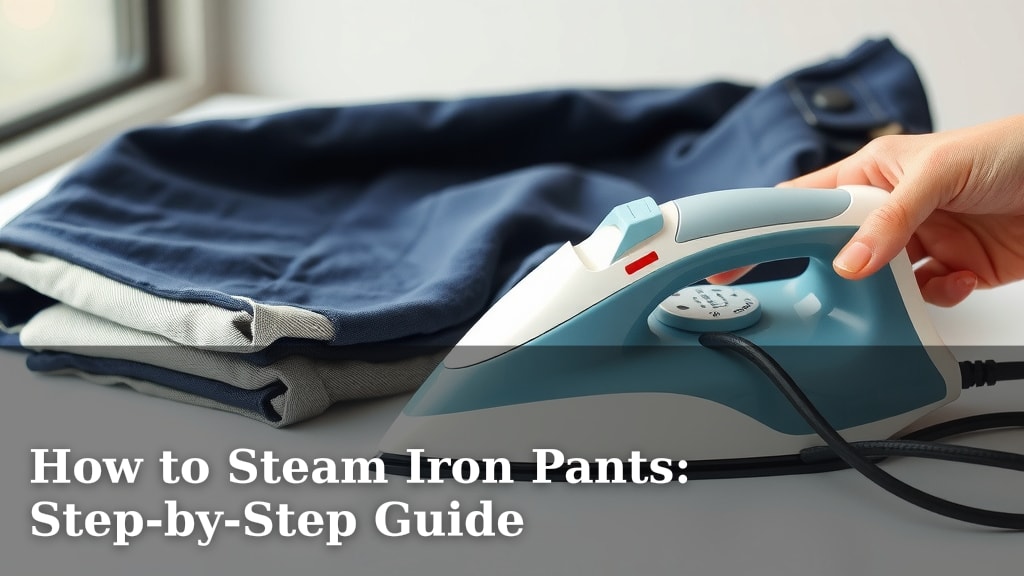
How to Steam Iron Pants: Step-by-Step Guide
The easiest way to steam iron pants is to hang them vertically and glide the iron over the fabric, focusing on wrinkles. This method ensures a smooth finish and helps you avoid common ironing mistakes. Mastering how to steam iron pants can dramatically improve your appearance with minimal effort.
Steam ironing offers a gentler approach to pressing clothes than traditional ironing. It uses moisture to relax fabric fibers, making it easier to remove creases. Many experts agree that steam ironing is ideal for delicate fabrics and achieving a professional look at home.
- Hang pants vertically for best results.
- Move the iron slowly and steadily.
- Focus on problem areas like seams and pockets.
- Always check the garment’s care label.
Let’s walk through exactly how to steam iron your pants, step by step, so you can achieve crisp, wrinkle-free results every time.
Mastering the Art of Steam Ironing Your Pants
Getting your pants perfectly pressed can make a big difference. Steam ironing is a fantastic way to achieve this. You’ll get crisp, wrinkle-free results without damaging your favorite trousers. This method is gentler than traditional ironing. It uses the power of steam to relax fabric fibers.
Preparing Your Pants and Workspace
Before you even think about touching the iron, a little preparation goes a long way. This ensures you get the best results and avoid any mishaps. Think of it as setting the stage for ironing success!
Check the Care Label First
This might seem obvious, but it’s the most important step. Your pants have a care label for a reason. It tells you the fabric type and the manufacturer’s recommended ironing temperature. Ignoring this can lead to melted fabric or scorch marks. Always look for symbols indicating steam or heat settings.
Gather Your Supplies
Make sure you have everything ready before you start. This includes your steam iron, a clean, flat ironing surface (like an ironing board), and a spray bottle with water as a backup. Having a hanger nearby is also helpful for immediate storage. Cleanliness is key – no one wants to iron dirt onto their pants.
Fill Your Steam Iron
Use distilled or demineralized water in your steam iron. Tap water can contain minerals that build up over time. This gunk can clog the iron’s steam vents. It can also leave stains on your clothes. Most iron manufacturers recommend using distilled water for longevity. Check your iron’s manual for specific instructions.
The Vertical Steam Ironing Technique
The most effective way to steam iron pants is by hanging them. This allows gravity to help you. It also prevents you from accidentally pressing creases where you don’t want them. Let’s break down this simple yet powerful technique.
Hang the Pants Properly
Find a sturdy hanger. Drape your pants over the hanger so they hang straight down. You can also use the clips on a skirt hanger if your pants have sturdy waistbands. Make sure the legs are hanging parallel to each other. Smooth out any major wrinkles with your hands before you begin steaming.
Preheat Your Steam Iron
Set your steam iron to the appropriate temperature based on the fabric care label. Most irons have settings for different fabric types like cotton, linen, silk, or synthetics. For a general recommendation, start with a medium heat setting. Allow the iron to heat up completely. You’ll often see an indicator light change when it’s ready.
Start Steaming
Hold the iron a few inches away from the fabric. Press the steam button. Direct the steam towards the pants. You can move the iron up and down the length of the fabric. The steam penetrates the fibers, relaxing them. This makes wrinkles easy to release.
Focus on Key Areas
Pay special attention to seams, pockets, and the waistband. These areas tend to hold wrinkles. You can hold the fabric taut with one hand while you steam with the other. This helps to achieve a smoother finish. Don’t press the iron directly onto embellishments like buttons or zippers.
Horizontal Steaming (If Needed)
While vertical steaming is preferred, sometimes you might need to gently press. If you do, ensure the fabric is taut. Glide the iron smoothly over the surface. Never leave the iron sitting in one spot. Keep it moving to avoid scorching. This is best for stubborn creases that vertical steaming can’t tackle alone.
Troubleshooting Common Ironing Issues
Even with the best intentions, sometimes things don’t go perfectly. Don’t worry; most common problems have simple fixes.
Dealing with Stubborn Wrinkles
For really tough wrinkles, you can use the spray function on your iron. Lightly mist the wrinkled area. Then, proceed with steaming. Some irons also have a ‘burst of steam’ feature. This provides extra power for stubborn creases. Research has found that a bit of extra moisture helps immensely (Good Housekeeping).
Preventing Shine Marks
Darker fabrics, especially synthetics or wools, can sometimes develop a shiny spot from too much heat or pressure. If this happens, try ironing on the reverse side of the fabric. You can also place a thin cotton cloth or a pressing cloth between the iron and your pants. This diffuses the heat.
What if My Iron Leaks Water?
If your iron is spitting water, it might be time for a cleaning. Mineral buildup is often the culprit. Follow your iron’s manual for descaling instructions. Ensure you’re using the right type of water. Using distilled water is key to preventing future leaks. This is a common maintenance tip cited by appliance repair guides.
Aftercare and Storage
Once your pants are perfectly steamed, the job isn’t quite done. Proper storage ensures your hard work lasts.
Let Them Cool Down
Allow your pants to cool completely before putting them away. If you fold or hang them while they’re still warm, new wrinkles can form. This defeats the purpose of your efforts. Patience is key here.
Hang Them Correctly
Always store steamed pants on a hanger. This maintains their shape and prevents creases. Choose sturdy hangers that won’t stretch out the waistband. Hanging keeps them ready to wear at a moment’s notice.
Here’s a quick checklist to make sure you’ve got it:
- Check the care label first.
- Use distilled water in your iron.
- Hang pants vertically for steaming.
- Keep the iron moving; don’t let it sit.
- Allow pants to cool before storing.
Conclusion
You’ve now mastered the art of steam ironing your pants! Remember, preparation is key, from checking the care label to using distilled water. Hanging your pants vertically and letting the steam do the work is the most effective method for a crisp, wrinkle-free finish. Don’t forget to let your pants cool completely before storing them to preserve your hard work. With these steps, you can confidently achieve a polished look every time. Try it out on your favorite pair today!
Frequently Asked Questions
Can I use tap water in my steam iron?
It’s best to avoid tap water. Tap water contains minerals that can build up inside your iron. This buildup can clog the steam vents and may even leave stains on your clothes. Most manufacturers recommend using distilled or demineralized water for your steam iron.
How long should I steam iron each pant leg?
There’s no exact time, as it depends on the fabric and the depth of the wrinkles. Generally, you’ll want to move the iron slowly and steadily, allowing the steam to penetrate the fibers for a few seconds on each section. Focus on areas with stubborn creases.
What’s the difference between steam ironing and regular ironing?
Steam ironing uses moisture from steam to relax fabric fibers, making wrinkles easier to remove. Regular ironing relies solely on heat and pressure. Steam is often gentler, especially for delicate fabrics, and research indicates it can achieve smoother results with less risk of damage.
How do I prevent shiny spots on dark pants?
Shiny spots can occur on dark fabrics from too much heat or pressure. To prevent this, try ironing on the reverse side of the fabric. Alternatively, place a thin cotton cloth, known as a pressing cloth, between your iron and the pants. This diffuses the heat effectively.
My iron is spitting water, what should I do?
If your iron is spitting water, it might need cleaning due to mineral buildup. Check your iron’s manual for descaling instructions. Ensuring you’re using distilled water is also crucial for preventing future leaks and blockages.