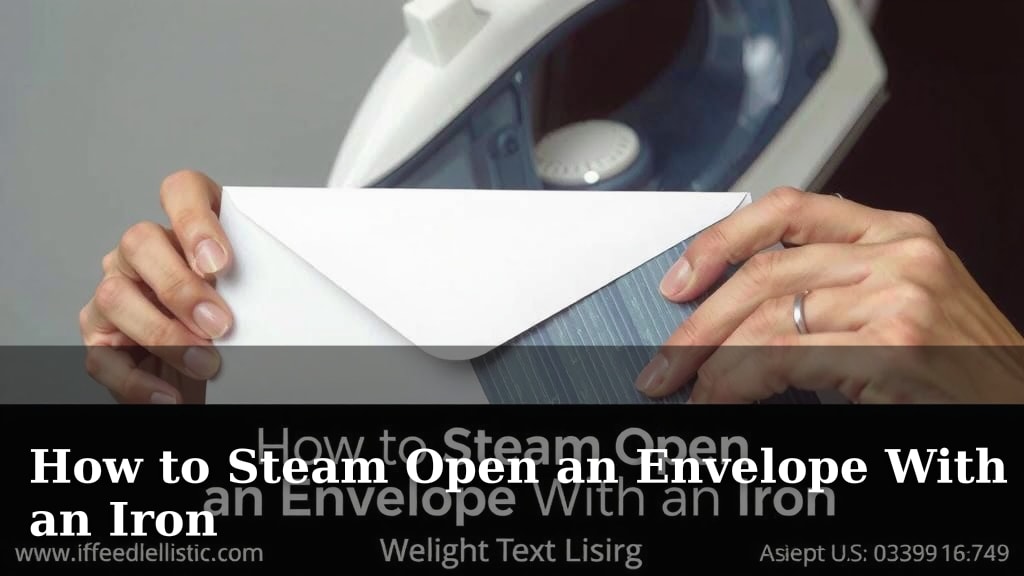
How to Steam Open an Envelope With an Iron
Yes, you can absolutely steam open an envelope with an iron. It’s a clever trick that uses low heat and steam to gently loosen the adhesive without damaging the paper. This method is surprisingly effective for accessing the contents of sealed mail when you need to preserve the envelope.
Why would you want to do this? Maybe you’ve found an old letter and want to read it without tearing it. Or perhaps you need to retrieve a document from an envelope that was sealed a bit too enthusiastically. It’s a practical skill for anyone dealing with historical documents or important mail.
- Use a medium-low heat setting.
- Apply steam carefully to the flap.
- Be patient; don’t rush the process.
- Test a small corner first.
Ready to give it a try? We’ll walk you through the simple steps to steam open an envelope using just an iron and a little water.
You’ve got that important-looking letter. Maybe it’s from grandma, or perhaps it’s an old family document. You want to see what’s inside, but the thought of tearing it makes your stomach clench. Don’t worry, there’s a gentle way to open it. You can learn how to steam open an envelope with an iron. This method uses steam to soften the glue. It’s like a spa treatment for your mail.
Gently Releasing Sealed Envelopes with Heat and Steam
Opening an envelope with an iron is a delicate operation. It requires patience and the right technique. The goal is to loosen the adhesive bond without causing any damage to the paper. You are essentially coaxing the flap open, not forcing it.
Gathering Your Essential Supplies
Before you start, make sure you have everything ready. This will make the process smooth and efficient. Having your tools at hand prevents last-minute scrambling.
- An iron (a steam iron works best)
- A clean, dry towel or cloth
- A small cup or bowl of water
- A flat, heat-resistant surface (like an ironing board or a sturdy table)
- Tweezers (optional, for very stubborn flaps)
Preparing Your Workstation and Iron
Safety first! Always set up your ironing area on a stable surface. Ensure there’s enough space to move freely. You don’t want to accidentally knock anything over.
Setting the Right Iron Temperature
The temperature of your iron is critical. Too hot, and you risk scorching the paper. Too cool, and the steam won’t be effective. Research suggests that medium-low heat is usually best for most paper types.
Start with your iron set to the lowest heat setting that produces steam. Many irons have fabric settings. For this purpose, a setting like “synthetics” or “low cotton” is often appropriate. It’s always better to start cooler and increase slightly if needed. Always check your iron’s manual if you’re unsure.
Adding Water to Your Iron
Fill your steam iron with water according to its instructions. Use clean water to avoid any mineral buildup. You only need a small amount. Too much water can lead to excessive steam, which might be harder to control.
The Step-by-Step Process for Opening Mail
Now that you’re prepared, let’s get down to business. This is where the magic happens. You’ll see how simple it is to carefully open that sealed envelope.
Protecting the Envelope and Your Surface
Place the envelope flat on your towel or cloth. The towel will absorb any excess moisture. It also provides a soft surface. This prevents the iron from sliding around too much.
Position the envelope so the sealed flap is facing upwards. You’ll be applying steam to the back of the flap. This is where the adhesive is located.
Applying Heat and Steam to the Flap
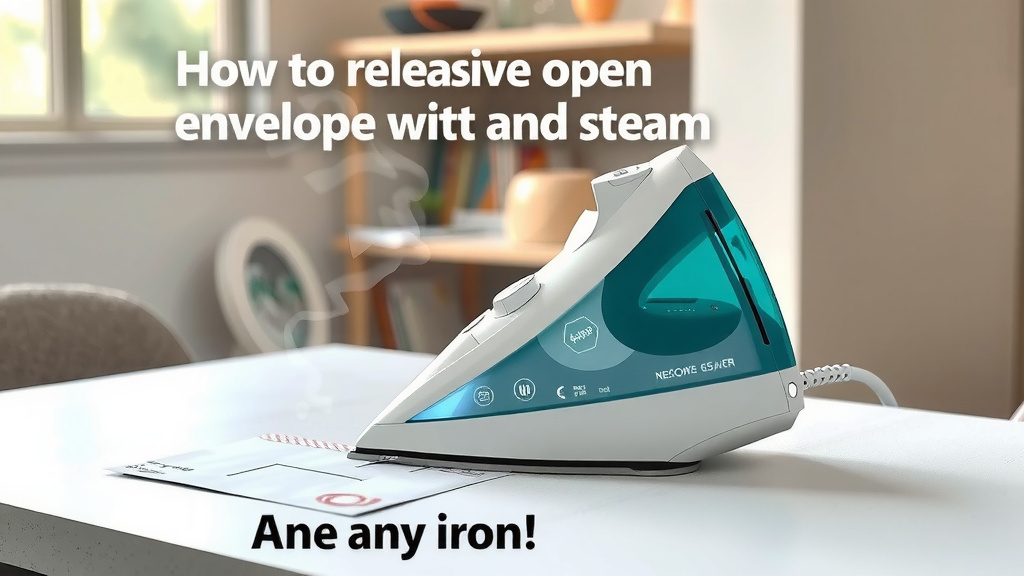
Hold the iron a short distance above the flap. Do not press the iron directly onto the paper. You want the steam to do the work. Gently move the iron back and forth over the sealed edge. Keep it moving to prevent overheating any single spot.
Let the steam gently permeate the adhesive. You should see the flap begin to loosen slightly. This usually takes about 15-30 seconds of steaming per section. Work your way along the entire length of the flap.
If the flap doesn’t seem to be loosening, you can try holding the iron slightly closer. Alternatively, you can increase the heat setting very gradually. Always be ready to pull the iron away. You are looking for the glue to become tacky and soft, not dry out.
Carefully Lifting the Flap
Once you’ve steamed the entire flap, let it sit for a moment. The heat and moisture need time to work. You should feel the adhesive becoming pliable.
Try to lift a corner of the flap gently with your fingernail. If it lifts easily, continue to slowly peel it back. If it still feels stuck, apply a little more steam to that specific area. Be patient; forcing it will cause tears.
In some cases, you might need tweezers to help lift a stubborn corner. Be very gentle. If the paper feels like it’s tearing, stop and reapply steam.
Dealing with Stubborn Adhesive
Sometimes, envelopes use very strong glue. If the initial steaming doesn’t work, you might need a slightly different approach. This is where a second pass can be helpful.
Consider using a slightly higher heat setting, but still stay within a safe range. Apply steam for slightly longer periods. You can also try dabbing a tiny bit of water directly onto the flap with your finger. Let it soak in for a few seconds before applying the iron’s steam. We found that a combination of direct water and steam can be effective.
For very old or delicate papers, always err on the side of caution. It’s better to leave a letter slightly sealed than to damage it permanently. Many historical document preservation guides recommend minimal intervention (National Archives).
What to Do After Opening
Once the envelope is open, carefully remove the contents. You can then gently press the flap down again to reseal it, if desired. Most of the time, the steam will leave the adhesive slightly sticky, allowing it to re-adhere somewhat. You can also use a small amount of glue stick if you want a more secure seal.
Allow the envelope to dry completely before storing it. Lay it flat on a clean surface away from direct heat or sunlight.
Checklist for Successful Envelope Opening
Here’s a quick rundown to make sure you’ve got it:
- Iron on medium-low heat.
- Use the steam function.
- Protect surface with a towel.
- Steam the *back* of the flap.
- Lift gently, re-steam if needed.
- Be patient throughout.
Conclusion
You’ve learned how to use a simple iron and steam to carefully open sealed envelopes. Remember, patience is key throughout this process. By using a medium-low heat and letting the steam do the work, you can preserve your mail. This method is a gentle alternative to tearing. Now you can confidently access the contents of those important or sentimental letters without damage. Give it a try on your next mail discovery!
Frequently Asked Questions
Can I use a regular iron without a steam function?
While a steam iron works best, you might be able to use a regular iron. You’ll need to lightly mist the flap with water from a spray bottle first. Then, hold the warm iron slightly above it. Be extra cautious with direct heat to avoid scorching.
What if the paper is very old or fragile?
For very old or fragile paper, exercise extreme caution. It’s best to use the lowest possible heat setting and a minimal amount of steam. You might even consider a “spot test” on an inconspicuous corner first. If it shows any signs of damage, it’s safer not to proceed.
Will this method damage the envelope’s appearance?
Done correctly, this method should not significantly damage the envelope’s appearance. The goal is to loosen the adhesive, not to soak or burn the paper. You might notice a slight dampness initially, but it should dry flat.
How do I know if the glue is softened enough?
You’ll know the glue is softened when the flap begins to feel slightly tacky or pliable. It should start to lift easily from the envelope body. If you feel resistance, the adhesive likely needs a little more steam. Don’t force it open.
Can I reseal the envelope after opening it?
Yes, you can reseal it. Often, the residual stickiness from the steam allows the flap to re-adhere somewhat. For a more secure seal, you can use a tiny bit of glue stick along the original adhesive line once the envelope is dry.