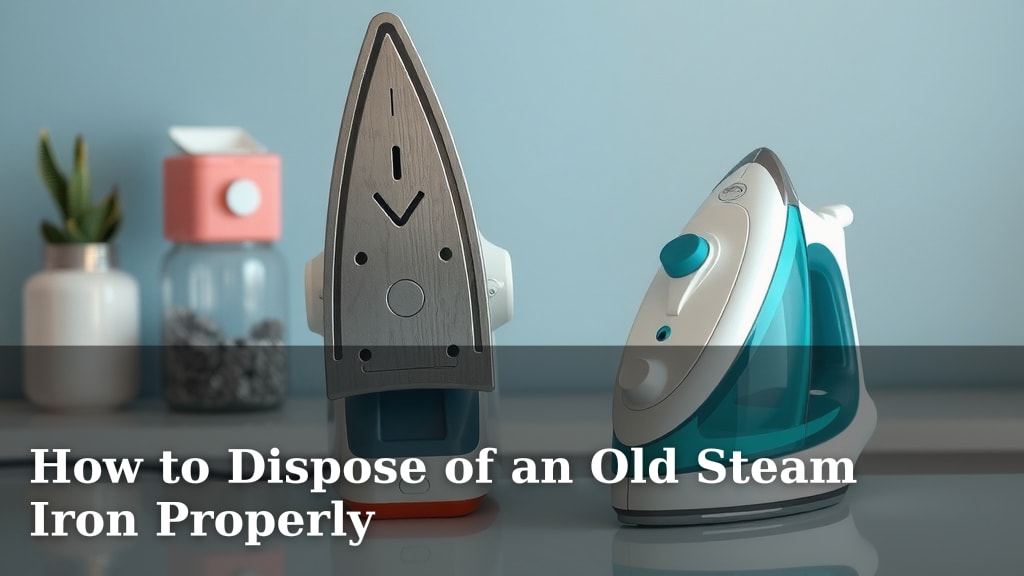
How to Dispose of an Old Steam Iron Properly
The best way to dispose of an old steam iron is to check if your local recycling center accepts small appliances. Many will take them, but you should always confirm first. Avoid simply throwing your iron in the regular trash, as electronics can contain materials that are better suited for proper disposal.
When your trusty iron finally gives up the ghost, you might wonder what to do next. It’s more than just a piece of junk; it’s a small appliance with electrical components. Proper disposal helps prevent these materials from ending up in landfills, contributing to environmental safety and resource recovery.
- Check local recycling rules first.
- Many community recycling centers accept small appliances.
- Look for e-waste collection events in your area.
- Some retailers offer take-back programs.
- Never just toss it in the regular trash.
Let’s walk through exactly how to handle your old steam iron so you can dispose of it responsibly and with peace of mind.
So, your trusty iron has seen better days. Maybe the steam function is kaput, or perhaps it’s just not heating up like it used to. Whatever the reason, you’re left with a retired appliance and a question: what’s the best way to send it off to the great ironing board in the sky?
Getting Rid of Your Old Steam Iron the Right Way
Disposing of an old steam iron responsibly is simpler than you might think. You just need to know where to look for guidance. We’ll walk you through the best options to ensure your iron doesn’t become landfill fodder.
Why Proper Disposal Matters for Your Old Iron
You might be tempted to just toss your old iron into the trash. But wait! That appliance has electrical parts and potentially other materials that aren’t great for the environment. Proper disposal helps keep these items out of landfills.
Electronics, even small ones like irons, can contain metals like iron, aluminum, and copper. Recycling these materials helps conserve natural resources. Plus, some components might be considered hazardous waste if not handled correctly. Following eco-friendly disposal methods is a win-win for you and the planet.
Step 1: Check Your Local Recycling Options
This is your first and best step. Recycling programs vary greatly from town to town. What’s accepted in one city might not be in another. You’ll want to find out what your local waste management or recycling center offers for small appliances.
Online Resources for Local Recycling
Most municipalities have a website detailing their recycling guidelines. A quick search for “[Your City/County Name] recycling” should lead you to the right place. Look for sections on small electronics or household hazardous waste.
Calling Your Local Authority
If online searches don’t turn up clear answers, don’t hesitate to pick up the phone. Call your local recycling center or town hall. They can tell you exactly what to do with your old iron. They’re there to help you recycle correctly.
Step 2: Exploring E-Waste Recycling Centers and Events
Many communities have dedicated e-waste (electronic waste) recycling centers. These facilities are specifically designed to handle electronics, ensuring they are dismantled and recycled properly. Your old iron fits right into this category.
Finding E-Waste Drop-off Locations
Use search terms like “e-waste recycling near me” or “electronics recycling [Your Town]”. You might find a permanent drop-off location. These are super convenient for getting rid of electronics year-round.
Attending E-Waste Collection Events
Keep an eye out for special e-waste collection events. Towns and counties often host these periodically. They are a great opportunity to clear out old electronics you’ve been holding onto. You might even find them advertised at your local library or community center.
Step 3: Retailer Take-Back Programs
Sometimes, the place where you buy new electronics will take back old ones. This is known as a take-back program. While less common for small appliances like irons, it’s worth checking with larger retailers that sell them.
Stores like Best Buy or even some home goods stores might offer e-recycling services. It’s usually free for consumers. Call your local store or check their website for details on what they accept. This can be a very convenient disposal option.
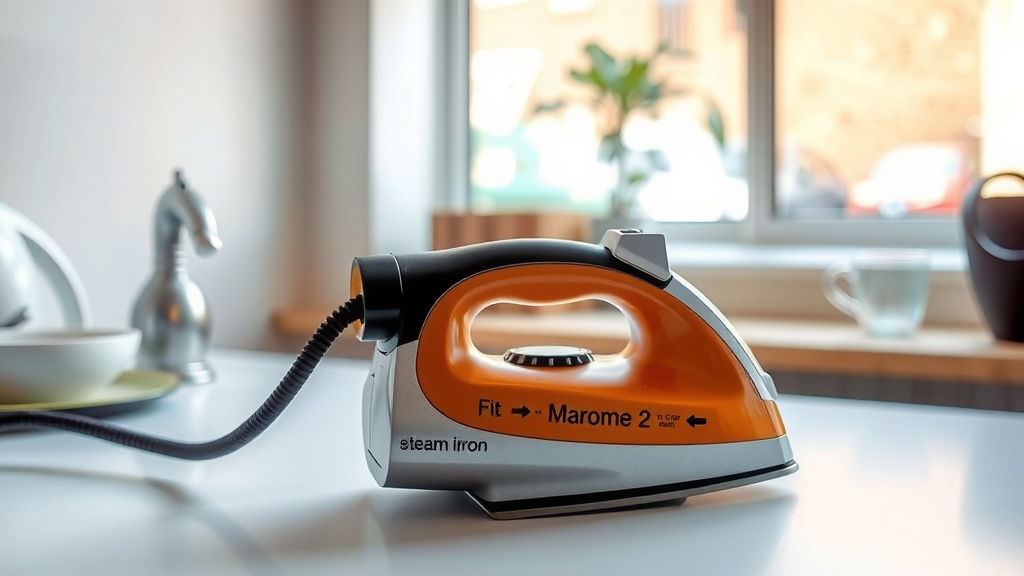
Step 4: Donation or Resale (If Still Working!)
Is your iron still in decent working condition, just not meeting your needs anymore? You might have a perfectly good appliance that someone else could use! Consider giving it a second life.
Donating to Charities
Many thrift stores and charities are happy to accept working household items. Organizations like Goodwill or Salvation Army often have donation centers. It’s a fantastic way to support a good cause while decluttering your home.
Selling Your Iron
If your iron still functions well, you could sell it. Online marketplaces like eBay, Facebook Marketplace, or Craigslist are popular options. Be honest about its condition. A working iron can be a useful item for someone on a budget.
What NOT to Do with Your Old Steam Iron
We mentioned this in the intro, but it bears repeating: never just throw your iron in the regular trash. Landfills are not equipped to handle electronic components. This can lead to pollution and wasted resources.
Also, avoid dismantling the iron yourself unless you have proper knowledge. Some internal parts could be hazardous. Stick to the safe and approved disposal methods we’ve discussed.
Checklist for Disposing of Your Steam Iron
Here’s a quick rundown to make sure you cover all your bases:
- Confirm local recycling rules for small appliances.
- Search for nearby e-waste collection centers.
- Look for scheduled community e-waste events.
- Check if local retailers offer take-back programs.
- Consider donation or resale if the iron is working.
- Never place it in your regular trash bin.
Preparing Your Iron for Disposal or Donation
Before you take your iron to be recycled or donate it, a little preparation goes a long way. First, unplug it and let it cool completely. This is a safety must-do.
Next, empty any remaining water from the reservoir. You don’t want to deal with potential leaks or messes during transport. A clean, dry iron is much easier for recycling centers or donation centers to handle. It shows you’ve been a responsible owner.
Conclusion
You’ve learned that ditching your old steam iron doesn’t have to be a hassle. By checking your local recycling options, exploring e-waste centers, or even donating a working iron, you’re making a smart, eco-friendly choice. Remember, the key is to avoid the trash bin altogether. Your next step is simple: take a few minutes to search for “[Your Town/City Name] electronics recycling” online. You’ll be surprised how easy it is to dispose of your old iron responsibly and help protect our environment.
Frequently Asked Questions
Can I put an old steam iron in my regular trash?
No, you should avoid putting your old steam iron in the regular trash. Electronics can contain materials that are not meant for landfills and can cause environmental harm. Proper disposal ensures these components are handled safely.
What if my local recycling center doesn’t accept small appliances?
If your local center doesn’t accept irons, look for dedicated e-waste recycling facilities or special collection events in your area. Many communities organize these to handle electronic items, so you’ll likely find an alternative.
Is it safe to dismantle an old iron myself?
It’s generally not recommended to dismantle an old iron yourself unless you have specific knowledge about electronics. Some internal components might be hazardous, and it’s safer to leave that to professionals at recycling centers.
What should I do if my iron still works?
If your iron is still functional, consider donating it to a local thrift store or charity. You could also try selling it through online marketplaces. Giving a working appliance a second life is a great way to reduce waste.
How do I prepare my iron before recycling or donating it?
Before recycling or donating, make sure your iron is unplugged and completely cool. Empty all water from the reservoir to prevent leaks. A clean, dry iron is easier for donation centers or recycling facilities to handle.