How Does a Steam Generator Iron Work? A Complete Beginner’s Guide
Have you ever wondered why some people seem to iron their clothes in half the time it takes you? The secret often lies in a steam generator iron. These powerful machines have transformed the way households and professional laundries tackle wrinkled fabrics. Unlike traditional irons that you fill with water bottle by bottle, steam generator irons work differently—they’re like having a mini power plant right on your ironing board.
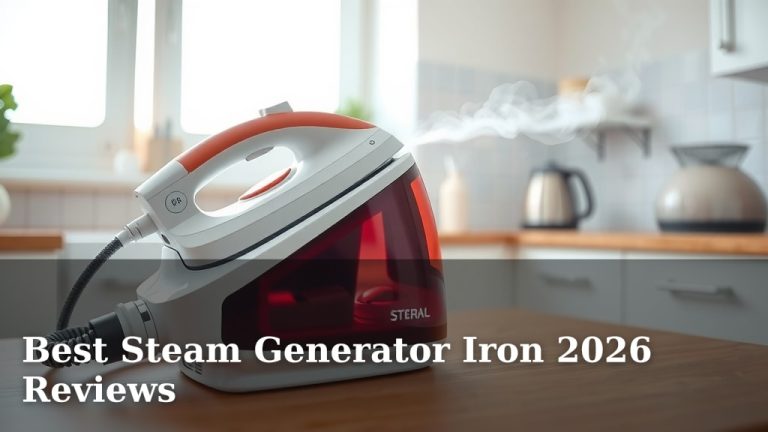
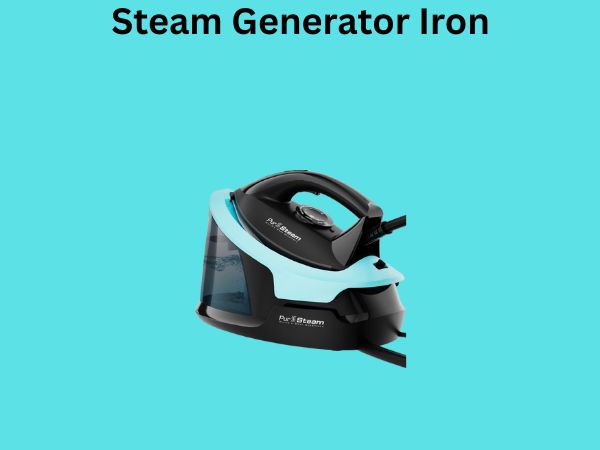
Think of a steam generator iron as the upgraded cousin of your standard iron. While a regular iron heats up water in a small chamber beneath the soleplate, a steam generator iron uses a separate boiler system that generates intense steam continuously. This means more steam, better penetration into fabric fibers, and faster ironing overall. But how exactly does all this magic happen? Let’s break it down in a way that makes sense.
The Basic Components: Understanding What’s Inside
To understand how a steam generator iron works, you need to know about its key parts. Think of it like understanding how a car engine works—you need to know about the main components before everything makes sense.
The Water Tank or Boiler
The heart of any steam generator iron is its water tank or boiler. This is where everything begins. The boiler is typically a large chamber that holds significantly more water than traditional irons—we’re talking about several liters in some cases. This larger capacity means you’re not constantly stopping to refill, which makes ironing feel less like a chore and more like a smooth, uninterrupted process.
The Heating Element
Inside the boiler sits a powerful heating element. This isn’t just any heater—it’s a robust electrical coil that’s specifically designed to rapidly heat water to high temperatures. When you switch on your steam generator iron, this heating element springs into action, working hard to turn water into steam as efficiently as possible.
The Soleplate
The soleplate is the flat bottom surface that touches your clothes. In steam generator irons, this is typically made of high-quality materials like aluminum or stainless steel. It’s designed not just to glide smoothly over fabric but also to efficiently transfer heat and steam to the garment you’re ironing.
The Iron Handle and Control Panel
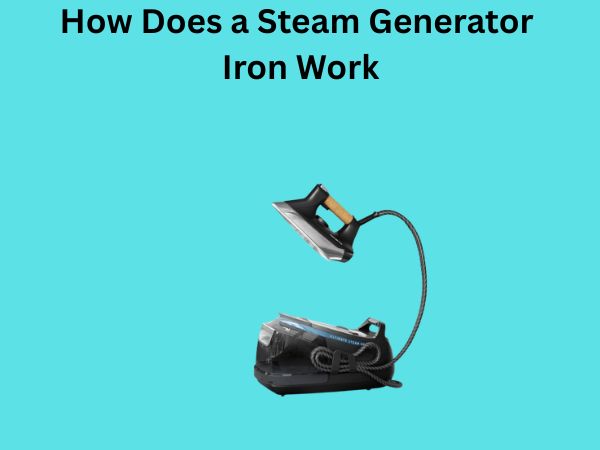
This is where you’ll find the steam trigger, temperature dial, and other controls. The handle connects to the main boiler unit through a hose, allowing you to direct steam exactly where you need it while maintaining a connection to the power source.
The Water Heating Process: From Liquid to Steam
Now that you know the main parts, let’s understand the actual process. When you fill the water tank and switch on your steam generator iron, something fascinating begins to happen.
The heating element starts warming the water in the boiler. As the temperature rises, the water molecules begin to move faster and faster. When the water reaches its boiling point—that’s 100 degrees Celsius or 212 degrees Fahrenheit at sea level—something magical occurs. The water transforms from a liquid into steam, which is water in its gaseous state.
But here’s where steam generator irons are clever. They don’t just let steam escape randomly. Instead, they maintain pressure within the boiler. This pressure has an important purpose: it raises the boiling point of water. When you increase pressure, water needs to reach higher temperatures before it turns to steam. This means the steam produced is actually hotter and denser than regular steam from a kettle.
Continuous Steam Generation
One of the biggest advantages of steam generator irons is their ability to produce steam continuously. The heating element keeps working, constantly heating incoming water. As soon as you release the steam trigger, steam flows out, but more is being generated simultaneously. It’s like having an endless supply rather than waiting for a traditional iron to build up pressure again.
The Pressure System: How Steam Gets Where It Needs to Go
Understanding pressure is crucial to understanding steam generator irons. Pressure is like the force that pushes steam through the system and onto your clothes.
Building and Maintaining Pressure
When you first turn on a steam generator iron, pressure begins building in the boiler. The heating element warms the water, which creates steam. This steam takes up more space than the water did, so pressure increases inside the sealed boiler chamber. This pressure is what forces steam through the hose and out through the holes in the soleplate.
Most quality steam generator irons maintain pressure between 3 to 6 bars. To put that in perspective, normal atmospheric pressure is just 1 bar. This extra pressure means the steam doesn’t gently float onto your clothes—it actively pushes into the fabric fibers, making them relax and release wrinkles much more effectively than steam from a traditional iron ever could.
The Pressure Relief Valve
Safety is paramount, and that’s where the pressure relief valve comes in. If pressure builds up too much, this valve automatically opens, releasing excess pressure to prevent accidents. It’s like a safety guardian, constantly ensuring everything stays within safe operating limits.
Soleplate Technology: Delivering Heat and Steam
The soleplate is where the rubber meets the road—or in this case, where the heat and steam meet your clothes. Modern steam generator irons use sophisticated soleplate designs that maximize efficiency.
Steam Hole Distribution
Quality soleplates feature numerous small holes distributed across the entire surface. These holes are positioned strategically to ensure even steam distribution. Instead of steam concentrated in one area, it spreads across the entire soleplate, meaning you get consistent results regardless of where you place the iron on your garment.
Heat Retention and Conductivity
The material of the soleplate matters tremendously. Premium materials like microfiber-coated aluminum or stainless steel conduct heat excellently and retain it consistently. This means once the soleplate reaches the correct temperature, it maintains that heat beautifully, even as you move it across your clothes. It’s like having a perfectly warm surface that never gets cold unexpectedly.
Water Tank Capacity and Refilling
One of the biggest advantages of steam generator irons is their water capacity. While traditional irons might hold 300 milliliters, steam generator irons typically hold 1 to 2 liters or more.
Why Larger Capacity Matters
Imagine ironing a basket of clothes with a traditional iron. You’d refill it multiple times. With a steam generator iron, you might only refill once or not at all, depending on your load. This translates to more time actually ironing and less time filling water tanks. It’s about efficiency and convenience.
The Refilling Process
Most steam generator irons have a separate water container that you refill independently. On some models, you can refill even while the iron is still hot and working. This continuous operation capability makes them ideal for professionals or anyone dealing with large quantities of laundry.
Temperature Control Mechanisms
Just like traditional irons, steam generator irons have temperature controls. However, they often work slightly differently.
Thermostat Function
A thermostat monitors the temperature inside the boiler. When the temperature drops below the set point, the heating element activates. When it reaches the target temperature, the element powers down. This cycling keeps the boiler at the exact temperature you need without overheating or wasting energy.
Variable Steam Output
Most steam generator irons allow you to adjust steam intensity. Need delicate steam for silk? You can dial it down. Tackling heavy cotton and linen? Crank it up. This flexibility means one machine handles different fabrics beautifully without you needing multiple irons.
Safety Features: Your Peace of Mind
Steam generator irons operate under pressure and heat, so manufacturers include multiple safety features.
Auto-Shutoff Mechanisms
If the iron isn’t used for a set period, it automatically shuts off. This prevents overheating and protects against accidental burns if you forget about it mid-ironing session.
Pressure Relief and Ventilation
Beyond the pressure relief valve, most units have ventilation holes that allow controlled steam release. This prevents dangerous pressure buildup and makes the entire system safer to operate.
Overheat Protection
Sensors monitor both the boiler and soleplate temperatures. If anything reaches unsafe levels, the system automatically reduces power or shuts down entirely. It’s like having a watchful guardian protecting your home.
Benefits Over Traditional Irons
Now that you understand how they work, let’s talk about why people choose steam generator irons.
- Faster ironing time due to continuous, high-pressure steam
- Less fatigue because you’re not pressing as hard
- Better results on difficult fabrics and deep wrinkles
- Larger water capacity means fewer refills
- Professional-quality results at home
- Often more energy efficient for large ironing loads
- Consistent steam output throughout the ironing session
Maintenance Requirements: Keeping Your Iron Happy
Like any appliance, steam generator irons need care to perform their best.
Descaling Your Iron
Hard water leaves mineral deposits inside the boiler. Over time, these deposits can reduce efficiency and eventually damage the heating element. Most manufacturers recommend descaling every month or every few months, depending on your water hardness. You’ll use a descaling solution specifically designed for irons—never use vinegar or other household cleaners.
Regular Cleaning
The soleplate should be cleaned regularly with a damp cloth when cool. Some premium models have self-cleaning cycles that automatically flush the system, reducing mineral buildup naturally.
Storage and Care
Always empty the water tank before storing your iron for extended periods. This prevents stagnation and mold growth inside the tank. Store in a cool, dry place away from direct sunlight.
Tips for Getting the Best Results
Understanding how your steam generator iron works is one thing. Using it optimally is another. Here are professional tips:
- Always allow the iron to fully heat and build pressure before starting. This typically takes 2 to 3 minutes.
- Use distilled or filtered water when possible. This dramatically reduces mineral deposits.
- Iron on appropriate temperature settings for each fabric type.
- Use smooth, steady motions rather than rushed, jerky movements.
- Let the steam do the work—don’t press down hard.
- Hang garments immediately after ironing to prevent re-wrinkling.
Troubleshooting Common Issues
Even with proper care, you might encounter occasional issues. Here’s what to do:
Weak Steam Output
If steam seems weak, your boiler likely needs descaling. Mineral buildup clogs the heating element and steam channels. Run a complete descaling cycle and your steam should return to full strength.
Water Leaking from the Soleplate
This usually happens when pressure isn’t sufficient, or the iron is tilted incorrectly. Ensure the iron sits flat on the ironing board and that the boiler has built adequate pressure before releasing steam.
Slow Heating
If your iron is taking unusually long to heat, check your power source and electrical connection. A dedicated outlet often works better than extension cords. Heavy descaling might also be necessary.
Understanding Steam Generator Iron Models
Not all steam generator irons are identical. Understanding the differences helps you choose the right one:
Compact vs. Full-Size
Compact models are lighter and easier to handle, perfect for smaller households or frequent travelers. Full-size models have larger water capacity and more powerful steam generation, ideal for professional use or large families.
Corded vs. Cordless Options
Most steam generator irons are corded because the boiler stays stationary. Some newer models offer cordless iron heads that receive steam from a nearby boiler, combining portability with power.
Conclusion
Steam generator irons are remarkable appliances that combine several ingenious technologies into one efficient package. They work by heating water in a pressurized boiler to create high-temperature, high-pressure steam that’s continuously supplied to a precision-engineered soleplate. This steam actively penetrates fabric fibers, releasing wrinkles far more effectively and quickly than traditional irons ever could.
The continuous steam generation, combined with adjustable intensity and efficient heat distribution, makes steam generator irons the preferred choice for anyone dealing with significant ironing loads. Whether you’re ironing for a large family, running a professional laundry service, or simply want to reclaim time from tedious household tasks, understanding how these machines work helps you use them more effectively and appreciate their sophisticated engineering.
Remember, the key to getting the best from your steam generator iron isn’t just knowing how it works—it’s using it correctly, maintaining it regularly, and respecting its power. With proper care and technique, your steam generator iron will deliver professional-quality results for years to come, transforming ironing from a chore you dread into a task you can actually accomplish efficiently.
Frequently Asked Questions
What’s the difference between a steam generator iron and a regular steam iron?
The primary difference lies in where the water is heated. Regular steam irons have a small water chamber directly under the soleplate that heats water on demand. Steam generator irons have a separate boiler system that continuously generates high-pressure steam independent of the iron head. This means steam generator irons produce more steam, more consistently, at higher pressures. The result is faster ironing time, better wrinkle removal, and less physical effort required from you.
Do I need special water for my steam generator iron?
While you can use tap water, many manufacturers recommend distilled or filtered water to extend your iron’s lifespan. Tap water contains minerals that accumulate inside the boiler through a process called scaling. Over time, this buildup reduces efficiency and can damage the heating element. Using distilled or filtered water dramatically reduces this problem, meaning less frequent descaling and a longer-lasting appliance. It’s a small investment that pays off in longevity.