
How to Clean Steam Holes in an Iron: Easy Tips
The easiest way to clean steam holes in an iron is by using a combination of white vinegar and a cotton swab or toothpick. This method effectively removes mineral deposits and residue that can clog your iron’s steam vents. Keeping your iron’s steam holes clean helps ensure efficient steaming and prevents ugly stains on your clothes. You can expect your iron to perform much better after a quick clean!
Mineral buildup from tap water is the usual culprit behind clogged steam holes. This can lead to sputtering, reduced steam output, and even brown marks on your laundry. Many household items can help you tackle this issue. We found that regular cleaning can extend your iron’s lifespan and keep your garments looking their best. Don’t let clogged holes ruin your ironing day!
- Use white vinegar and a swab for clogged holes.
- Boiling water can also help flush out residue.
- Consider using distilled water to prevent future buildup.
- Regular cleaning is key to iron maintenance.
Below, we’ll walk you through a few simple methods to get those steam holes sparkling clean again, so you can get back to wrinkle-free perfection.
Keeping Your Iron’s Steam Holes Clear: Simple Steps
Clogged steam holes are the bane of a smooth ironing session. They lead to sputtering, water spots, and a generally frustrating experience. But fear not! Cleaning them is often simpler than you think. We found that a little regular maintenance can make a big difference.
Why Steam Holes Get Clogged
Tap water is often the main culprit behind blocked steam vents. It contains minerals like calcium and magnesium. When you heat your iron, these minerals can build up. They leave behind a crusty residue. This residue hardens over time. It can clog the tiny holes meant for steam. This buildup reduces steam output. It can also cause your iron to spit water. Sometimes, this can even transfer to your clothes as brown stains.
Many experts suggest that using tap water is the primary cause of this issue (Cleveland Clinic). These mineral deposits aren’t just unsightly; they can damage your iron over time. They can even leave permanent marks on your favorite fabrics.
Method 1: The Vinegar and Swab Technique
This is often the most effective method for stubborn clogs. It uses a common household item you probably already have.
What You’ll Need
- White vinegar
- Cotton swabs or Q-tips
- A soft cloth
- Optional: Toothpicks or a fine needle
Step-by-Step Cleaning
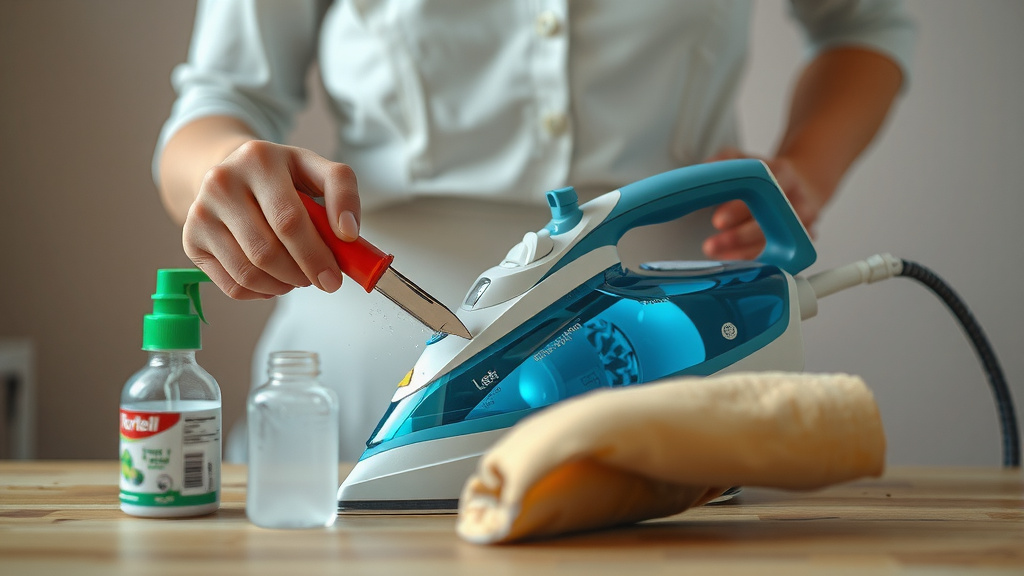
First, make sure your iron is **unplugged and completely cool**. Safety first! You don’t want any accidental burns. Next, pour a small amount of white vinegar into a shallow dish. Dip a cotton swab into the vinegar. You want it to be damp, not soaking wet. Gently rub the damp swab over the steam holes. You should start to see some residue come away. If the holes are really clogged, you might need to use a toothpick or a fine needle very carefully. Poke gently to dislodge any hardened deposits. Be patient; don’t force anything, as you could damage the iron’s soleplate.
After you’ve worked on all the holes, wipe the soleplate with a clean, damp cloth. This removes any loosened debris and excess vinegar. Let the iron air dry completely before storing it. We found this method to be very effective for mineral buildup.
Method 2: Flushing with Boiling Water
This method is great for general maintenance and can help clear out lighter residue. It’s a good way to keep things running smoothly between deeper cleans.
What You’ll Need
- Distilled water
- A heat-resistant sink or basin
- A soft cloth
The Flushing Process
Again, ensure your iron is **unplugged and cool** before you begin. Fill your iron’s water reservoir with **distilled water**. Many manufacturers recommend distilled water for this very reason. Place the iron upright in a clean sink or basin. Now, set your iron to its highest steam setting. Let it sit there for about 15-20 minutes. The heat will help loosen mineral deposits. The steam will also help flush them out. You might see some cloudy water or mineral bits drain out. This is a good sign!
After the 20 minutes are up, carefully empty any remaining water from the reservoir. Wipe down the soleplate with a soft cloth to remove any lingering residue. This method is less intensive than the vinegar approach. It’s ideal for regular upkeep. We found that doing this monthly keeps performance up.
Preventing Future Clogs: Best Practices
The best way to deal with clogged steam holes is to prevent them from happening in the first place. This saves you time and keeps your iron in top condition.
Use Distilled Water
As mentioned, distilled water is your best friend. It’s free of the minerals found in tap water. Using it means fewer mineral deposits will build up in your iron. Many iron manufacturers strongly advise using distilled or demineralized water. This helps prolong the life of your appliance (Consumer Reports). While it might seem like an extra step, it’s worth it.
Empty the Water Reservoir
After each use, make sure to empty any remaining water from the reservoir. Stagnant water can contribute to mineral buildup. It can also encourage mold or mildew growth. This simple habit makes a big difference.
Regular Ironing Sessions
If you don’t iron very often, try to use your iron every so often, even if just for a few minutes. This helps keep water moving through the system. It can prevent mineral deposits from settling and hardening.
Quick Checklist for Clean Steam Holes
Here’s a quick rundown to keep your iron steaming like new:
- Always let your iron cool down before cleaning.
- Use distilled water to prevent mineral buildup.
- Empty the water reservoir after every use.
- Try the vinegar and swab method for stubborn clogs.
- Flush with distilled water monthly for maintenance.
- Wipe down the soleplate after each cleaning.
Conclusion
You’ve learned how to effectively tackle clogged steam holes in your iron. Keeping these vents clear is essential for optimal steaming and preventing fabric stains. Remember, the simple methods using white vinegar and cotton swabs, or flushing with distilled water, can make a huge difference. For the best results and to extend your iron’s life, make it a habit to use distilled water and empty the reservoir after each use. Your clothes will thank you for it! So, go ahead and give your iron a much-needed clean – you’ll see the difference right away.
Frequently Asked Questions
Can I use something other than white vinegar to clean iron steam holes?
While white vinegar is highly recommended for its effectiveness against mineral buildup, you could try a solution of equal parts water and lemon juice. This offers a similar acidic cleaning action. Always ensure the iron is cool and unplugged before cleaning, regardless of the solution you choose.
How often should I clean my iron’s steam holes?
If you use your iron frequently or live in an area with hard water, cleaning the steam holes monthly is a good practice. For lighter use, a quarterly clean might suffice. Regular flushing with distilled water between deeper cleans also helps.
My iron is spitting brown water, what does this mean?
Brown water usually indicates mineral deposits and residue that have built up inside your iron and are now being released. This is a clear sign that your steam holes are clogged and need cleaning. Addressing this promptly will prevent staining your clothes.
Is it okay to use a sharp object like a pin to clean the steam holes?
Use extreme caution if using a pin or needle. It’s best to use a toothpick or a very fine, gentle poke to dislodge debris. Avoid forcing anything, as you could scratch or damage the iron’s soleplate. The vinegar and swab method is generally safer.
Will cleaning the steam holes improve my iron’s performance?
Absolutely! Clean steam holes allow for even and consistent steam distribution. This means your iron will glide more smoothly over fabrics and remove wrinkles more efficiently. You’ll likely notice a significant improvement in both steam output and ironing quality after cleaning.