
How to Clean the Base of a Steam Iron Easily
The easiest way to clean the base of a steam iron is by using a paste of baking soda and water. This simple solution effectively removes burnt-on residue and mineral buildup. Your iron will glide smoothly across fabrics again in no time.
A dirty iron base can transfer gunk onto your clothes, leaving unwanted stains. You might also notice your iron not heating evenly or sticking. Keeping the soleplate clean ensures **better ironing results** and protects your wardrobe.
- Use a baking soda paste for stubborn stains.
- Vinegar can also help dissolve mineral deposits.
- Always unplug your iron and let it cool first.
- Test a small area before cleaning the whole base.
Ready to make your iron look and work like new? Let’s walk through exactly how to clean that soleplate step by step.
“`htmlKeeping Your Steam Iron’s Base Sparkling Clean
A clean iron base is key to **smooth ironing**. If your iron is sticking or leaving marks, it’s probably time for a good cleaning. We’ll show you how to tackle that grimy soleplate.
Why Cleaning Your Iron’s Soleplate Matters
You might be wondering why all the fuss about a clean iron base. It’s pretty simple, really. A dirty soleplate can act like a stubborn stain itself. It can transfer melted fabric, mineral deposits, and burnt-on residue onto your freshly washed clothes. This means more laundry to redo, which is never fun. You could end up with **shiny patches** or even permanent marks on your favorite shirts or pants. Plus, a dirty surface means your iron won’t glide as freely. This makes the whole ironing process much harder and more time-consuming. Keeping it clean ensures your clothes look their best and saves you a lot of frustration.
Common Culprits Behind a Dirty Iron Base
What exactly causes this build-up on your iron’s base? It’s usually a combination of things. Over time, minerals in your tap water can deposit themselves onto the hot surface. This is especially true if you have hard water. These deposits can create a rough texture. Then there’s the residue from starch or fabric finishes. Sometimes, if you accidentally let the iron get too hot, synthetic fabrics can melt slightly onto the soleplate. Even a tiny bit of melted plastic can create a sticky mess. All these things contribute to a soleplate that’s less than smooth.
Safety First: Preparing Your Iron for Cleaning
Before you grab any cleaning supplies, safety is your top priority. You definitely don’t want to get a nasty burn. First, make sure your iron is **completely unplugged** from the wall socket. This is non-negotiable. Next, you need to let the iron cool down entirely. This can take some time, so be patient. You can set it upright on its heel rest and just let it sit for at least 30 minutes, or until it’s cool to the touch. Never try to clean a hot or even warm iron. We’re aiming for safe and effective, not a trip to the emergency room.
Easy DIY Cleaning Solutions for Your Iron Base
You don’t need fancy store-bought cleaners for this job. Many common household items work wonders. We found that simple, inexpensive solutions are often the most effective. Let’s explore a couple of tried-and-true methods.
The Baking Soda Paste Method: Your Go-To for Stubborn Gunk
This is our favorite and the most recommended method for tough residue. Baking soda is a mild abrasive that can scrub away build-up without scratching the soleplate. Research and found that its gentle nature makes it suitable for many surfaces (Cleveland Clinic).
Here’s how to do it:
- Mix about 2 tablespoons of baking soda with 1 tablespoon of water in a small bowl. You want to create a thick paste, similar to toothpaste.
- Make sure your iron is unplugged and cool.
- Apply the paste directly onto the soiled areas of the iron’s base. Avoid getting it into the steam vents.
- Let the paste sit for about 5-10 minutes. This allows it to soften the grime.
- Using a soft, damp cloth, gently wipe away the paste and the loosened residue. You might need to use a soft-bristled brush (like an old toothbrush) to gently scrub away any stubborn spots.
- Once the paste is removed, wipe the soleplate with a clean, damp cloth to remove any baking soda residue.
- Finally, dry the soleplate thoroughly with a dry cloth.
Using Vinegar to Dissolve Mineral Deposits
Vinegar is another powerhouse cleaner, known for its ability to break down mineral deposits and limescale. If your iron has a lot of chalky build-up, vinegar can be very effective. Many cleaning guides suggest using white vinegar for its effectiveness and lack of color staining (EPA).
Here’s how you can use it:
- You can use vinegar in a couple of ways. For mild build-up, soak a soft cloth in white vinegar and gently rub it over the cool soleplate.
- For tougher deposits, you can make a paste using vinegar and baking soda. This combines the abrasive power of baking soda with the dissolving power of vinegar. Apply this paste as described above.
- Another method involves using the steam function. Fill your iron’s water reservoir with a 50/50 solution of distilled water and white vinegar. Heat the iron to a medium setting and let it steam for a few minutes, holding it over a sink or old towels. Be sure to do this in a well-ventilated area.
- After steaming, unplug the iron and let it cool. Wipe down the soleplate with a damp cloth to remove any residue.
- Run the iron with plain distilled water afterwards to flush out any lingering vinegar smell or residue.
What NOT to Use on Your Iron’s Base
While many cleaners can tackle grime, some can actually damage your iron’s delicate soleplate. It’s important to know what to avoid. Harsh abrasives, like steel wool or abrasive scrubbing pads, can scratch the surface. This can lead to future sticking and snagging of your clothes. Sharp objects, such as knives or scrapers, should also be strictly avoided for the same reason. Many experts advise against using harsh chemical cleaners or oven cleaners, as they can degrade the soleplate’s coating. Stick to gentle, proven methods.
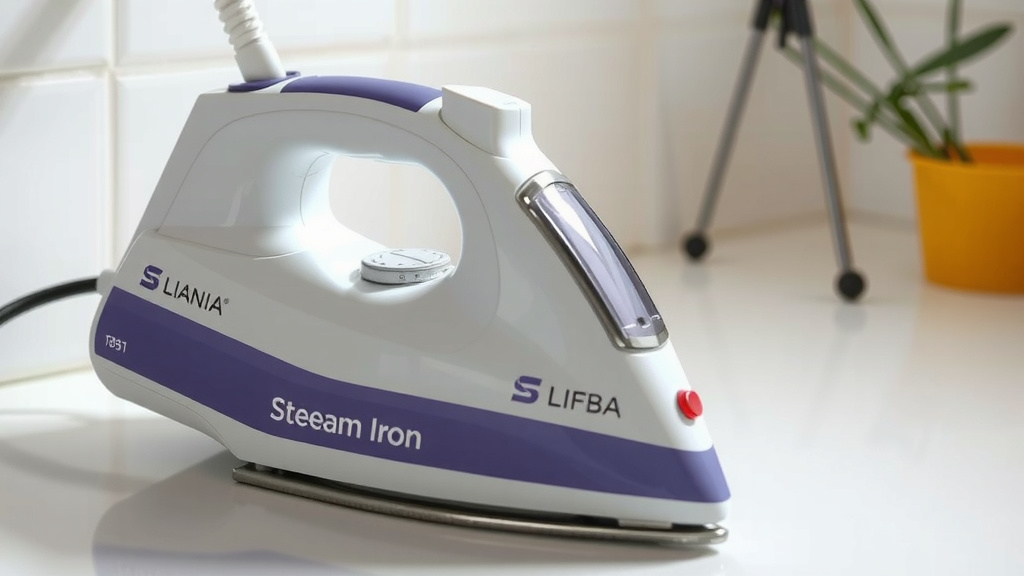
A Quick Checklist for a Gleaming Iron
Ready to get your iron back in top shape? Here’s a quick rundown to ensure a smooth cleaning process:
- Unplug and Cool: Always ensure the iron is unplugged and completely cool before you begin.
- Choose Your Cleaner: Opt for baking soda paste or a vinegar solution.
- Gentle Application: Apply your cleaner carefully, avoiding steam vents.
- Wipe and Buff: Use soft cloths to wipe away residue. A soft brush can help with tough spots.
- Rinse and Dry: Thoroughly wipe down with a damp cloth and dry completely.
- Test Run: After cleaning, iron an old towel or scrap fabric to ensure no residue remains.
Maintaining a Clean Iron Soleplate
Once you’ve got your iron sparkling again, you’ll want to keep it that way. A little bit of regular maintenance goes a long way. After each use, when the iron is still slightly warm but unplugged, give the soleplate a quick wipe-down with a soft, dry cloth. This can catch any minor residue before it hardens. If you use tap water, consider using distilled water in your iron. Distilled water has fewer minerals, which helps prevent build-up in the first place. We found that emptying the water reservoir after each use also helps prevent internal corrosion and build-up.
“`Conclusion
You’ve learned how simple it can be to restore your steam iron’s soleplate to its former glory. We’ve covered why a clean iron matters for your clothes and your ironing experience. You now know the best DIY methods using baking soda or vinegar, and importantly, what to avoid. Your iron will glide smoothly, preventing snags and stains. The next time you see gunk on your soleplate, you have the tools to tackle it with confidence. Your next ironing session will be a breeze, leaving your clothes looking crisp and perfect.
Frequently Asked Questions
Can I use a magic eraser on my iron’s soleplate?
It’s generally not recommended to use a magic eraser on your iron’s soleplate. These erasers are abrasive and can potentially scratch or damage the delicate non-stick coating on the soleplate. Stick to gentler methods like baking soda paste or vinegar.
How often should I clean my steam iron’s base?
The frequency of cleaning depends on your usage and the type of water you use. If you notice any sticking or residue, it’s time to clean. For regular use with tap water, checking and wiping it down monthly is a good practice.
Is distilled water really better for my steam iron?
Yes, using distilled water is highly recommended. It contains fewer minerals than tap water, which significantly reduces the build-up of limescale and deposits inside your iron and on the soleplate. This means less frequent cleaning and a longer lifespan for your appliance.
What if baking soda paste doesn’t remove all the burnt-on residue?
If the baking soda paste doesn’t completely remove stubborn residue, you can try the vinegar steaming method described in the article. For extremely tough spots, a gentle scrub with a soft-bristled brush after applying the paste might help. Always proceed with caution and avoid harsh scrubbing.
Can I clean the steam vents with the baking soda paste?
You should avoid getting the baking soda paste into the steam vents. If residue builds up in the vents, try running the iron with plain distilled water on a high steam setting over a sink or old towels to help clear them. This can help flush out any blockages.