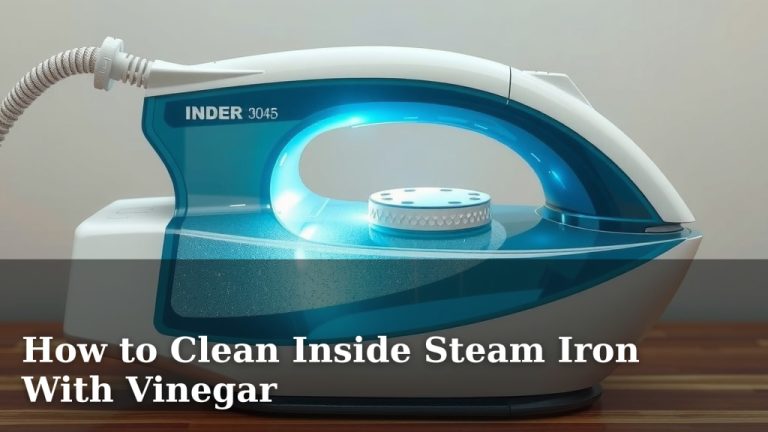
How Do You Clean the Soleplate of a Steam Iron? A Comprehensive Guide
If you’ve ever looked at the bottom of your steam iron and noticed a grimy, discolored surface, you’re not alone. The soleplate of a steam iron is one of those parts that accumulates buildup over time, and it’s easy to overlook until your clothes start getting mysterious stains or catching on rough spots. But here’s the good news: cleaning your iron’s soleplate is simpler than you might think, and doing it regularly can extend your iron’s lifespan significantly.
In this guide, I’m going to walk you through everything you need to know about keeping your steam iron’s soleplate in pristine condition. Whether you’re dealing with burnt-on fabric residue, mineral deposits, or just general discoloration, we’ll cover the methods that actually work.
Understanding Your Steam Iron’s Soleplate
Before we jump into cleaning methods, let’s talk about what we’re actually dealing with here. Your iron’s soleplate is the flat metal surface that makes contact with your clothes. It’s typically made from stainless steel or aluminum, and it’s designed to glide smoothly across fabric while dispensing heat and steam. When this surface gets dirty, it doesn’t just look bad—it can actually affect how well your iron performs.
Why Does the Soleplate Get Dirty?
Think of your iron’s soleplate like the sole of your shoe. It picks up everything it comes into contact with. Here’s what typically accumulates on it:
- Fabric fibers that stick to the hot surface
- Burnt-on residue from synthetic fabrics
- Mineral deposits from tap water in the steam chamber
- Starch buildup from starched clothing
- Rust spots if the iron is stored in humid conditions
- Dust and general grime
When these materials build up, they create friction instead of a smooth gliding surface. This can actually damage your clothes or cause the iron to stick, which is the opposite of what you want from an ironing experience.
Method One: The Baking Soda Paste Approach
Let me start with what I consider the most effective and accessible cleaning method: using baking soda. This is something most people have in their kitchen already, and it’s gentle enough that it won’t damage your soleplate.
Steps for the Baking Soda Method
First, make sure your iron is unplugged and completely cool. This is non-negotiable for safety reasons. While you’re waiting for it to cool, mix three tablespoons of baking soda with one tablespoon of water to create a paste. You want it thick enough to stay on the soleplate without dripping off.
Once your iron is cool, apply this paste directly to the soleplate, paying special attention to areas with visible buildup. Use a soft cloth or an old toothbrush to gently scrub in circular motions. Don’t use excessive pressure—you’re coaxing the dirt off, not attacking it.
After about five minutes of gentle scrubbing, wipe away the paste with a damp cloth. Use clean water and repeat the wiping process until no baking soda residue remains. Finally, take a dry cloth and buff the soleplate until it shines.
Why Baking Soda Works So Well
Baking soda is mildly abrasive, which means it removes buildup without scratching metal surfaces. It’s also slightly alkaline, which helps break down acidic mineral deposits and burnt-on residue. Unlike stronger chemicals, it’s safe for your hands and won’t release harsh fumes into your home.
Method Two: The White Vinegar Solution
If you’re dealing primarily with mineral deposits from hard water, white vinegar might be your best friend. This method is particularly effective if you live in an area with mineral-rich tap water.
How to Use Vinegar for Soleplate Cleaning
Again, ensure your iron is unplugged and completely cool. Mix equal parts white vinegar and water in a small bowl or cup. Dip a clean cloth into this solution and wipe the entire soleplate thoroughly. For stubborn mineral deposits, you can let the vinegar solution sit on the soleplate for a few minutes before wiping.
The acidity in vinegar dissolves mineral buildup that hard water leaves behind. Once you’ve wiped the soleplate clean, go over it one more time with a cloth dampened in plain water to remove any vinegar smell. A final buff with a dry cloth brings back the shine.
When to Choose Vinegar Over Baking Soda
I’d recommend vinegar when you notice whitish or chalky deposits on your soleplate. These are typically mineral buildup, and vinegar cuts through them like nothing else. If your water is particularly hard, you might want to do this cleaning monthly to prevent mineral accumulation.
Method Three: The Commercial Iron Cleaner Route
If you prefer a more specialized approach, numerous products are specifically designed for cleaning iron soleplates. These commercial cleaners often combine the benefits of multiple methods in one convenient package.
Using Commercial Iron Cleaners Effectively
Most commercial iron cleaners come with specific instructions, so always read the label first. Generally, you’ll apply the product to the cool soleplate, let it sit for the recommended time, and then wipe it clean. Some products are designed to be used while the iron is still warm, so pay attention to that detail.
The advantage of commercial cleaners is that they’re formulated to handle various types of buildup simultaneously. They often include surfactants that break down stubborn deposits more efficiently than household items. However, they typically cost more, and you’ll want to ensure they’re safe for your specific iron type.
Method Four: The Salt and Old Cloth Technique
Here’s an old-school method that’s been passed down through generations of homemakers, and honestly, it still works brilliantly. This method is particularly effective for burnt-on fabric and stubborn residue.
Executing the Salt Method
Make sure your iron is unplugged but still warm—not hot, not cold, but that pleasant warmth you get shortly after turning it off. Sprinkle a generous amount of table salt onto a small piece of old cloth. Now, use this cloth to rub the soleplate in circular motions.
The salt crystals act as a gentle abrasive while the friction from rubbing helps dislodge burnt-on material. After about two minutes of this treatment, wipe away the salt with a damp cloth. The soleplate should look noticeably cleaner, with a restored shine.
Why This Method Is Underrated
Salt is incredibly effective at removing burnt fabric because it essentially micro-scratches the surface, lifting away stubborn particles. The key advantage is that it only works well on warm soleplates, which means the temperature helps soften the buildup just enough for the salt to do its magic. This is the method I reach for when other options aren’t working well enough.
Prevention: The Best Form of Maintenance
Cleaning your iron is great, but preventing buildup in the first place is even better. Let me share some practical habits that will keep your soleplate cleaner for longer.
Daily Habits That Make a Difference
Always empty your iron’s water reservoir after each use. Stagnant water inside the iron can eventually escape through steam vents and leave mineral deposits on the soleplate. It’s a simple step that takes thirty seconds but prevents so much trouble.
Wipe your soleplate with a damp cloth after every ironing session. This removes fresh fabric fibers and residue before they have a chance to bake on. Think of it like rinsing dishes right after eating rather than letting them sit and harden.
Use distilled water instead of tap water for your iron’s steam chamber. Hard tap water is the primary culprit behind mineral buildup. Yes, distilled water costs a bit more, but it extends your iron’s life considerably. The investment pays for itself in the long run.
Long-Term Storage Tips
If you’re storing your iron for an extended period, make absolutely sure it’s clean and dry. Moisture in storage leads to rust, which is remarkably stubborn to remove. Store it in a cool, dry place rather than a humid bathroom or damp basement. Wrap it in a soft cloth to protect the soleplate from dust and accidental damage.

Dealing With Specific Problem Soleplates
Rust on the Soleplate
If you’ve noticed reddish-brown spots appearing on your soleplate, you’re dealing with rust. This usually happens if the iron has been stored in a humid environment without being completely dry. The good news is that surface rust is reversible.
Use the vinegar method I described earlier, but extend the soaking time. Let a cloth dampened with vinegar sit on the rusty area for ten to fifteen minutes. If the rust is particularly stubborn, you can make a paste with vinegar and a tiny amount of baking soda, apply it to the rust spots, and let it work for a while before scrubbing gently. After removing the rust, make sure to dry the soleplate thoroughly and store it properly to prevent recurrence.
Synthetic Fabric Damage and Melted Residue
Sometimes fabric melts onto your soleplate, usually from accidentally ironing synthetic materials at too high a temperature. This creates a sticky, sometimes discolored coating that’s trickier to remove than mineral deposits.
For this situation, I’d recommend letting your iron heat up to a low temperature, then carefully scraping the soleplate with a wooden or plastic scraper. Never use metal scrapers, as they can scratch the surface. Once you’ve removed the bulk of the melted material, follow up with the baking soda paste method to clean off any remaining residue. This is one of the more challenging cleanups, so prevention by using appropriate heat settings for each fabric type is really important.
When Should You Clean Your Soleplate?
I’d recommend doing a basic wipe-down after every use, a deeper weekly cleaning if you iron frequently, and a thorough monthly maintenance cleaning regardless of how often you use your iron. If you iron large amounts of clothing or use a lot of starch, you might want to increase the frequency slightly.
Signs That Cleaning Is Overdue
If you notice any of these signs, stop what you’re doing and clean your iron immediately. Brown or yellow discoloration on the soleplate indicates buildup. If your clothes are getting marked or scratched during ironing, there’s probably rough spots that need attention. Stiff movement of the iron across fabric is another telltale sign that the soleplate isn’t as smooth as it should be.
Safety Considerations and Warnings
Always, and I mean always, unplug your iron before cleaning. Even if you think it’s cool, a powered-on iron can cause serious burns. Let the iron cool completely unless you’re specifically using a method that requires it to be warm, and even then, only use a warm iron, not a hot one.
Never use abrasive materials like steel wool or harsh scouring pads on your soleplate. You might remove buildup faster, but you’ll also damage the surface, creating scratches that catch on fabric. Gentler methods take slightly longer but protect your appliance.
Be cautious with commercial cleaners. Some can emit strong fumes, so ensure good ventilation. If you have a non-stick soleplate, check the cleaner’s label to make sure it won’t damage the coating. Never mix cleaning products—that’s how dangerous chemical reactions happen.
Conclusion
Cleaning your steam iron’s soleplate doesn’t have to be intimidating or time-consuming. Whether you choose the simple baking soda paste method, the mineral-deposit-busting vinegar solution, the quick salt technique, or a commercial cleaner, you’ll find that a little regular maintenance goes a long way. Your iron will perform better, your clothes will look crisper, and your appliance will last years longer than if you let buildup accumulate.
The key takeaway is consistency. Spend just thirty seconds wiping your soleplate after each use, do a deeper cleaning weekly or monthly, and your iron will remain in beautiful condition. It’s one of those simple maintenance tasks that feels insignificant in the moment but compounds into significant benefits over time. Your clothes—and your iron—will thank you.
Frequently Asked Questions
Is it safe to use vinegar on all types of iron soleplates?
Vinegar is generally safe for stainless steel and aluminum soleplates, which covers the vast majority of irons on the market. However, if you have a non-stick or ceramic-coated soleplate, I’d recommend testing the vinegar solution on a small inconspicuous area first. The acidity of vinegar is gentle, but it’s better to be cautious with specialty coatings. When in doubt, check your iron’s manual for approved cleaning methods.
Can I clean my iron while it’s still plugged in?
Absolutely not. Never attempt to clean your iron while it’s plugged in, even if it’s turned off. Electricity and water are a dangerous combination that can result in electric shock. Always unplug your iron, wait for it to cool completely (unless the method specifically requires a warm iron), and then proceed with cleaning. Safety should always be your priority.
How often should I clean the inside of my iron’s water chamber?
The inside of your iron deserves attention too. If you use tap water, mineral deposits can accumulate inside, potentially clogging steam vents. I recommend doing an internal cleaning every three months by filling the reservoir with equal parts white vinegar and water, heating the iron, and allowing it to steam out through the vents over a sink or cloth. This flushes out mineral deposits before they become problematic.
What’s the difference between cleaning and descaling an iron?
Cleaning refers to removing visible dirt, burnt fabric, and surface buildup from the soleplate—what we’ve discussed extensively. Descaling specifically targets mineral deposits inside the iron’s steam system. While cleaning keeps the exterior functional, descaling maintains the internal mechanisms that produce steam. Both are important, and both should be done regularly depending on your water quality.
Will cleaning the soleplate remove scratches that are already there?
Cleaning methods will remove dirt and debris that might make scratches look worse, but they won’t eliminate existing scratches in the metal itself. Minor surface scratches don’t usually affect iron performance unless they’re severe enough to catch on fabric. If your iron has deep scratches that are catching clothes, the soleplate might need professional refinishing or the iron might be due for replacement, depending on how old it is and how much you use it.
“`