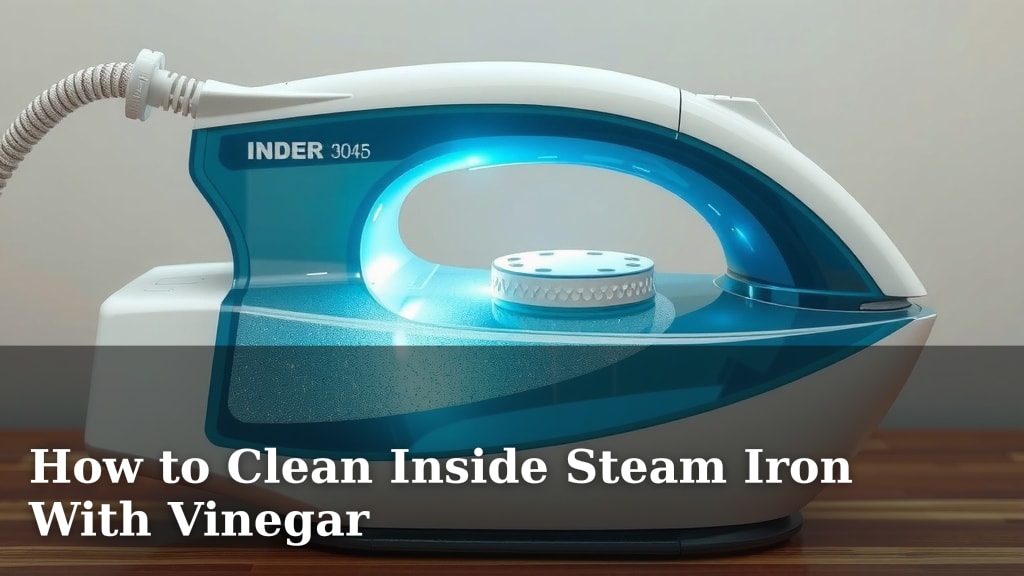
How to Clean Inside Steam Iron With Vinegar
The easiest way to clean inside your steam iron with vinegar is to use a simple 1:1 vinegar and distilled water solution. This process effectively dissolves mineral deposits and gunk that can clog your iron’s steam vents. You’ll have your iron working like new again with just a few steps, ensuring your clothes get a smooth, steam-powered press every time.
Mineral buildup from tap water is a common enemy of steam irons. Over time, this can lead to discolored water stains on your clothes. Using vinegar is a widely recommended, budget-friendly method to tackle this problem head-on. Many find this natural solution is just as effective as store-bought cleaners for restoring steam output and preventing damage to fabrics.
- Mix equal parts white vinegar and distilled water.
- Pour the solution into the iron’s water reservoir.
- Heat the iron and let it sit, then drain.
- Rinse thoroughly with distilled water.
- Run on an old cloth to clear any residual vinegar.
Let’s walk through exactly how to get your steam iron sparkling clean using this simple vinegar trick, step by step.
Reviving Your Steam Iron: A Vinegar Cleaning Guide
Is your trusty steam iron starting to act up? You know, the kind where it spits rusty water or leaves faint brown marks on your favorite shirt? Don’t toss it just yet! We’ve got a simple, wallet-friendly trick that can bring it back to life. It turns out, a common kitchen staple is your iron’s best friend for clearing out pesky mineral buildup.
Why Vinegar is the Secret Weapon
Most steam irons use tap water. That water, while fine for drinking, contains minerals. These minerals, like calcium and magnesium, can build up inside your iron over time. Think of it like a slow clog forming in a pipe. This buildup can block the tiny steam vents, reducing steam output and causing those dreaded brown spots. Vinegar, specifically white distilled vinegar, is a mild acid that’s perfect for breaking down these mineral deposits.
The Science Behind the Shine
Vinegar’s acetic acid works by dissolving the alkaline mineral deposits. It’s a natural cleaner that many experts recommend because it’s effective and generally safe for household appliances. Plus, it’s readily available and much cheaper than specialized iron cleaners. We found that this simple solution can tackle even stubborn clogs. Many cleaning guides suggest vinegar for its dissolving power.
What You’ll Need for This Simple Fix
Gathering your supplies is a breeze. You likely have most of these items already in your home. Having everything ready makes the cleaning process quick and efficient. This is not a complicated DIY project; it’s more like a quick tune-up for your iron.
- White distilled vinegar
- Distilled water
- A measuring cup or jug
- A soft cloth or an old towel
- An old piece of fabric or an old t-shirt to test
Step-by-Step: Cleaning Your Steam Iron with Vinegar
Let’s get down to business. Follow these steps carefully, and you’ll soon be enjoying perfectly steamed clothes again. Remember, safety first! Always unplug your iron and ensure it’s cool before you begin any internal cleaning.
Step 1: Prepare the Cleaning Solution
This is where the magic begins. We’re creating a balanced solution to tackle the buildup without being too harsh. A 1:1 ratio is key here.
- Measure out equal amounts of white distilled vinegar and distilled water.
- For example, if you use half a cup of vinegar, use half a cup of distilled water.
- Mix them together in your measuring cup or jug.
Step 2: Fill the Water Reservoir
Now, carefully pour your vinegar and water mixture into the iron’s water tank. Be sure not to overfill it. You only need enough to cover the internal workings that get heated. Check your iron’s manual if you’re unsure where the reservoir is located.
Step 3: Heat Things Up (Safely!)
Plug your iron back in and set it to a medium-high heat setting. You want it to get warm enough for the vinegar solution to work its magic, but not so hot that it boils aggressively. Allow the iron to heat up for about 5-10 minutes. This gives the vinegar time to soften the mineral deposits inside.
Let It Sit and Steam
Once heated, unplug the iron. Let it sit upright for at least 10-15 minutes. During this time, the warm vinegar solution will work its way through the internal channels. You might hear some gurgling sounds; that’s perfectly normal. It means the solution is loosening up that gunk.
Step 4: Drain the Dirty Solution
Carefully hold the iron over a sink or a sturdy container. Gently tip the iron to allow the vinegar and water solution to drain out. You’ll likely see some discolored liquid coming out – that’s the mineral buildup being flushed away. It’s a satisfying sight!
Step 5: Rinse with Distilled Water
We need to get rid of any lingering vinegar. This is crucial to prevent vinegar smells or residue on your clothes. Refill the reservoir with fresh, clean distilled water. Repeat the heating and draining process from steps 3 and 4, but this time using only distilled water. You might need to do this rinsing step a couple of times to ensure all vinegar is gone. Many manuals suggest this thorough rinsing.
Step 6: Test Run for Purity
Before you go near your delicate silks or crisp cotton shirts, perform a test run. Find an old, light-colored towel or a scrap piece of fabric you don’t care about. Set your iron to its usual steam setting and iron the test fabric. This final step helps to clear out any last traces of vinegar or loosened debris from the steam vents. Check the fabric for any discolorations or unusual spots. If it looks clean, your iron is ready to go!
Troubleshooting Common Issues
Sometimes, even with a vinegar bath, your iron might still have a bit of fight left in it. Don’t worry, we have a few extra tips.
Stubborn Stains or Clogs
If you’re still seeing brown spots or reduced steam after the vinegar treatment, the buildup might be quite severe. You might need to repeat the vinegar cleaning process. Some sources recommend using a slightly stronger vinegar-to-water ratio, like 3:1 vinegar to water, but always check your iron’s manual first for specific recommendations. For very tough clogs, you might need a specialized iron cleaning tool or descaler, but vinegar is often sufficient.
Vinegar Smell Lingering?
A faint vinegar odor is normal after cleaning. However, if the smell is strong, make sure you’ve completed the rinse cycle thoroughly. Running the iron on an old cloth for a few extra minutes can also help air it out. Some people find that airing the iron out in a well-ventilated area for a day can dissipate any lingering scent.
Preventing Future Buildup: Your Checklist
The best way to keep your iron in top shape is through regular maintenance. A little effort now can save you a lot of ironing headaches later. Here’s a quick checklist to help you keep your iron running smoothly:
- Always use distilled water in your steam iron.
- Empty the water reservoir after each use.
- Clean the soleplate regularly with a damp cloth.
- Perform a vinegar cleaning every 1-3 months, depending on water hardness.
- Avoid using iron cleaning additives not approved by the manufacturer.
Conclusion
You’ve now learned how to easily tackle that stubborn mineral buildup inside your steam iron using a simple vinegar and distilled water solution. This method effectively removes clogs and discolored residue, restoring your iron’s steam power. Remember, consistent use of distilled water and regular cleaning are key to preventing future issues and keeping your clothes looking their best. So, don’t let a gunked-up iron slow you down – give your trusty appliance a vinegar spa treatment today!
Frequently Asked Questions
How often should I clean my steam iron with vinegar?
You should aim to clean your steam iron with vinegar every 1 to 3 months. The exact frequency depends on how hard your tap water is. If you notice reduced steam or brown spots sooner, it’s time for a cleaning.
Can I use apple cider vinegar instead of white distilled vinegar?
While apple cider vinegar is also acidic, it’s best to stick with white distilled vinegar for cleaning your steam iron. It’s a purer form of acetic acid and less likely to leave any color or residue behind on your iron or clothes.
What if my iron is really old and clogged?
For very stubborn clogs, you might need to repeat the vinegar cleaning process a couple of times. Ensure you are letting the solution sit for the recommended time. If the issue persists, your iron might have severe internal damage that vinegar can’t fix.
Will the vinegar smell stay on my clothes?
A faint vinegar smell might be present right after cleaning, but it should disappear after thorough rinsing and a test run on an old cloth. If you notice a strong smell, perform an extra rinse cycle with just distilled water.
Is it safe to use vinegar on all types of steam irons?
Vinegar is generally safe for most steam irons, but it’s always a good idea to check your iron’s manual first. Some manufacturers may have specific cleaning recommendations or warnings against using vinegar.