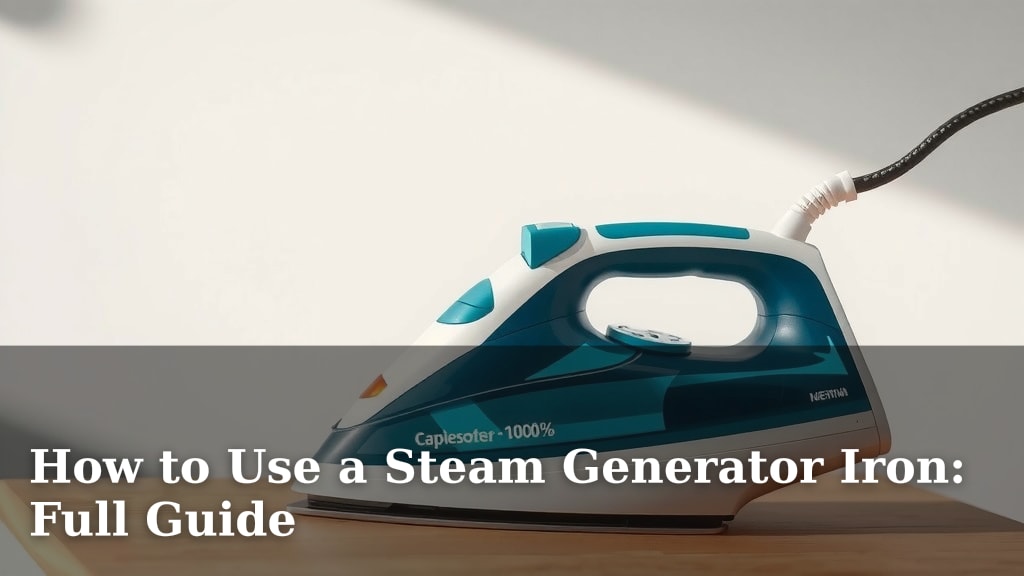
How to Use a Steam Generator Iron: Full Guide
Using a steam generator iron is quite straightforward once you know the steps. You can achieve professionally pressed clothes with ease by following a simple filling and heating process. Properly using your steam generator iron ensures efficient wrinkle removal and better garment care.
Many people wonder if these irons are difficult to operate. We found that they are designed for user-friendliness, offering a more powerful steaming experience than traditional irons. Understanding how to fill the water tank and heat the generator is key to getting the best ironing results.
TL;DR:
- Fill the water tank with distilled water.
- Plug in and turn on the generator.
- Allow it to heat up completely.
- Select the correct fabric setting.
- Start ironing with gentle steam bursts.
Ready to make ironing less of a chore? Let’s walk through exactly how to use your steam generator iron, step by step.
“`htmlGetting Started with Your Steam Generator Iron
So you’ve got a steam generator iron and you’re ready to conquer those wrinkles. Great choice! These irons pack a punch. They can make your laundry day feel less like a battle and more like a spa treatment for your clothes. We found that understanding the basic setup is key. It ensures you get the best performance. Let’s walk through the first steps.
Filling the Water Tank
First things first, let’s talk water. Using the right kind of water is super important. Most manufacturers recommend distilled water. Why distilled? Tap water can contain minerals. Over time, these minerals can build up. This gunk can clog your iron’s system. It can also leave spots on your clothes. Some irons can handle filtered water, but always check your manual. We found that using distilled water prolongs your iron’s life. It also keeps your ironing consistent.
To fill, make sure your iron is unplugged and cool. Locate the water tank. It’s usually a good size on these models. Gently open the cap. Use a jug or measuring cup to pour the distilled water in. Don’t overfill it. There’s usually a max fill line. Once filled, close the cap securely. You’re ready for the next step.
Powering Up and Heating
Now, let’s get this powerhouse ready. Find a stable, heat-resistant surface for your iron. This is usually the ironing board. Make sure the cord is untangled and not a tripping hazard. Plug the iron into a suitable electrical outlet. Then, locate the power button. It’s often on the base unit.
Press the power button. You’ll likely see an indicator light turn on. Now comes the waiting game. Steam generator irons need time to heat up. This includes both the iron itself and the boiler in the base. We found that most models take between 2 to 8 minutes. Some might take a bit longer. You’ll usually hear a sound or see a light change when it’s ready. This means the water is hot enough to produce steam. Patience here pays off for smoother ironing.
Ironing Techniques for Optimal Results
With your iron heated and ready, it’s time to tackle those fabrics. Using a steam generator iron is different from a traditional one. The constant, powerful steam output means you can often iron faster. We found that adjusting your technique slightly makes a big difference. Let’s look at how to get those perfectly pressed clothes.
Selecting the Right Fabric Setting
Every fabric is unique. Cotton needs more heat than silk. Synthetics often prefer lower temperatures. Your steam generator iron likely has a temperature control. Some have specific fabric settings. Others let you manually adjust the heat. Always check the care label on your garment first. This is your best guide. Many experts say ignoring care labels is a quick way to damage clothes (Good Housekeeping Institute).
We found that starting with a cooler setting is a safe bet. You can always increase the heat if needed. For delicate fabrics like silk or synthetics, use a low setting. Cotton and linen usually require a medium to high setting. Some advanced irons have an auto-temperature feature. This takes the guesswork out. It adjusts the heat automatically based on the fabric detected. It’s a real time-saver!
Using the Steam Effectively
The steam is your best friend here. It relaxes fabric fibers, making wrinkles disappear. Most steam generator irons have a continuous steam function. You can also usually control steam output. Many have a steam-boost button. This is perfect for stubborn creases. We found that using short bursts of steam is often more effective than holding the steam button down continuously.
Start with a smooth, flat piece of fabric. Gently glide the iron over the surface. For most fabrics, you’ll want to use steam. Press the steam button briefly as you move the iron. Don’t let the iron sit in one spot for too long, especially on delicate fabrics. This can scorch or damage the material. For tricky areas like collars or cuffs, you might need a bit more steam. Use the steam-boost button here. We found that a little practice makes you a steam-wielding pro in no time!
Ironing Different Fabric Types
It’s smart to iron similar fabrics together. This way, you don’t have to constantly adjust the temperature. We found that a good order is: delicates first, then synthetics, followed by cottons and linens. This allows the iron to cool down gradually.
For garments with embellishments, like beads or prints, iron on the reverse side. Or, use a pressing cloth. This protects the decorations. Always iron in the direction of the fabric’s weave. This prevents stretching. For thicker fabrics, you might need to go over them a couple of times. Using both steam and a bit of pressure helps here.
Storing Your Steam Generator Iron
Proper storage is just as important as how you use it. After you’re done ironing, unplug the iron. Let it cool down completely. This can take a while because the base unit retains heat. Once it’s cool, empty any remaining water from the tank. This prevents mineral buildup. It also stops water from leaking later.
Wipe down the soleplate with a soft, damp cloth. Never use abrasive cleaners. They can damage the non-stick coating. Store the iron and its cord neatly. Most models have cord storage options. Keep the base unit and iron upright. Store it in a dry place. We found that a clean, dry iron lasts longer and performs better. Think of it as tucking your trusty tool in for a good night’s sleep.
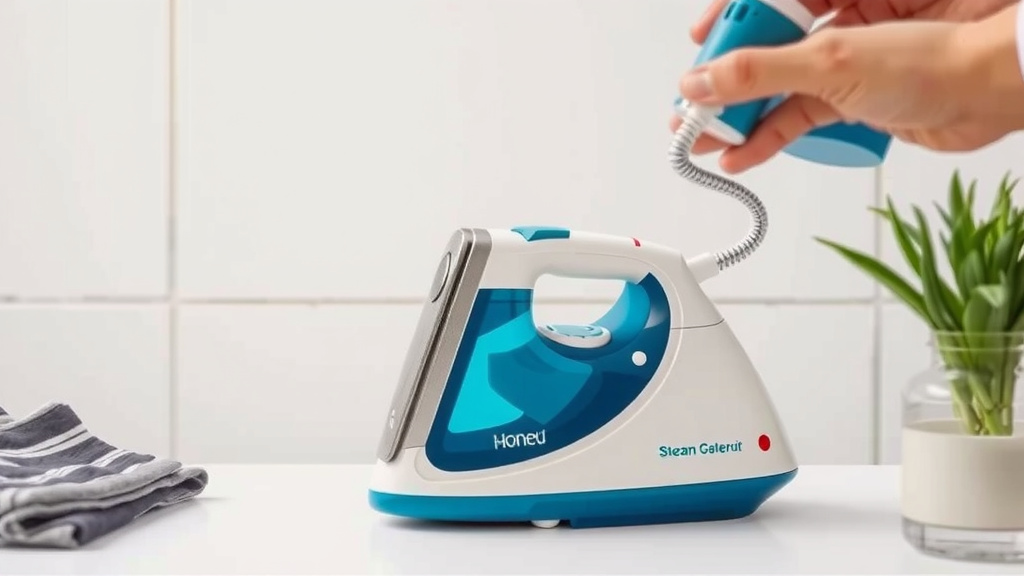
Quick Checklist for Using Your Steam Generator Iron
Ready to put it all into practice? Here’s a quick checklist to keep handy:
- Ensure the iron is cool and unplugged before filling the tank.
- Always use distilled water.
- Plug in, turn on, and allow the iron to heat up fully.
- Check garment care labels and select the correct fabric setting.
- Use short steam bursts for most ironing.
- Empty the water tank after each use for longevity.
Conclusion
You’ve now got a solid understanding of how to use your steam generator iron effectively. Remember, distilled water and proper heating are your first steps to success. Selecting the right fabric setting and using steam in short bursts will keep your clothes looking crisp. By following these simple guidelines, you’ll enjoy professionally pressed clothes with less effort. So, go ahead and give your wardrobe the care it deserves. Your next ironing session will be a breeze!
Frequently Asked Questions
How often should I descale my steam generator iron?
Most manufacturers recommend descaling your steam generator iron every 1-3 months, depending on your water hardness and usage. Always check your iron’s manual for specific recommendations. Regular descaling prevents mineral buildup and ensures optimal steam output.
Can I use tap water in my steam generator iron?
It’s generally not recommended to use tap water. Tap water contains minerals that can build up inside the iron, causing clogs and potential damage over time. Using distilled or demineralized water is the best way to protect your appliance and your clothes.
What should I do if my steam generator iron is not producing steam?
First, ensure the iron is fully heated and the water tank is filled above the minimum level. Check if the steam button is being pressed correctly and that the steam setting is activated. If problems persist, your iron might need descaling or could have a more significant internal issue.
Is it safe to leave water in the tank when the iron is stored?
No, it’s best to empty the water tank after each use. Leaving water in the tank can lead to mineral deposits forming over time, potentially causing blockages or leaks. It also helps prevent mold or mildew growth if the iron isn’t used frequently.
Can I iron delicate fabrics like silk with a steam generator iron?
Yes, you can, but with caution. Always use the lowest heat setting appropriate for the fabric and start with minimal steam or no steam at all. For very delicate items, consider ironing on the reverse side or using a pressing cloth. Always check the garment’s care label first.