Handheld Garment Steamer vs Iron: A Complete Guide to Choosing Your Perfect Wrinkle Solution
If you’re standing in front of your closet looking at that wrinkled shirt and wondering whether to grab the iron or the steamer, you’re not alone. This is one of those everyday decisions that seems simple on the surface but actually involves quite a bit of thinking. Both tools promise to make your clothes look crisp and fresh, but they work in completely different ways. So which one really deserves a spot on your laundry shelf?
I’ve spent considerable time testing both methods, and I’m here to walk you through everything you need to know. By the end of this guide, you’ll understand exactly which tool works best for your lifestyle, your wardrobe, and your specific needs.
Article Outline
- Understanding the Basics: How Each Tool Works
- Speed and Efficiency Comparison
- Fabric Compatibility and Safety
- Heat Levels and Temperature Control
- Portability and Travel Friendliness
- Cost Analysis: Initial Investment and Long-term Expenses
- Learning Curve and Ease of Use
- Storage Requirements
- Environmental Impact
- Durability and Maintenance
- Best Use Cases for Each Tool
- Can You Use Both Together?
- Making Your Final Decision
- Conclusion
- Frequently Asked Questions
Understanding the Basics: How Each Tool Works
Let me start by demystifying how these two approaches actually function, because this is where their fundamental differences become clear.
How Irons Work
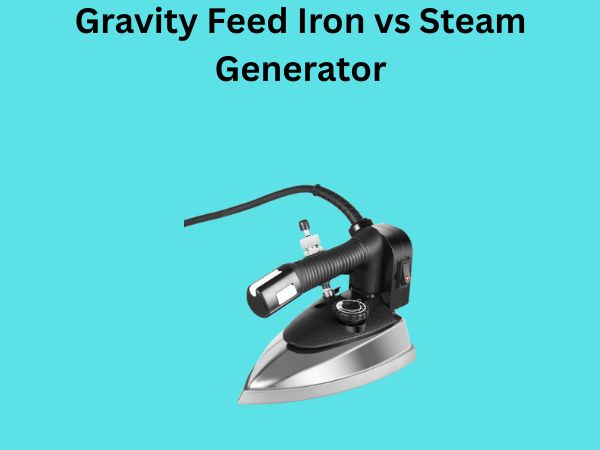
An iron is straightforward in its approach. You heat up a flat, rectangular plate that reaches high temperatures, usually between 200 and 400 degrees Fahrenheit depending on the fabric setting. Then you place your garment on a flat surface, position the iron on top, and apply downward pressure while gliding it across the fabric. This direct heat and mechanical pressure literally press the wrinkles out of your clothes. Think of it like squeezing water out of a sponge—the pressure forces the wrinkles to release and the fabric to lie flat.
How Handheld Steamers Work
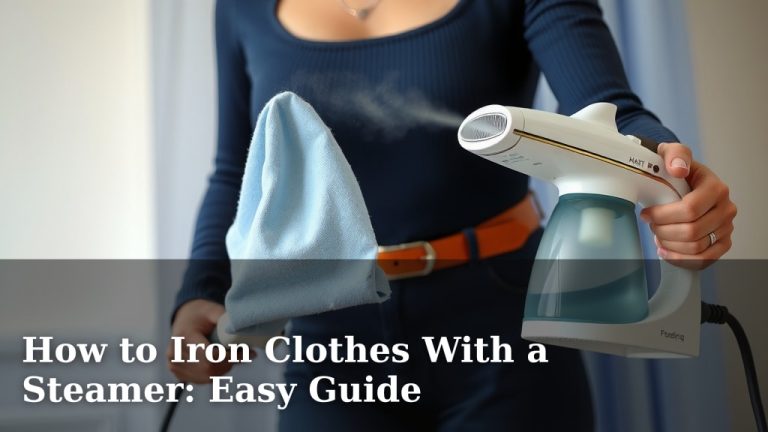
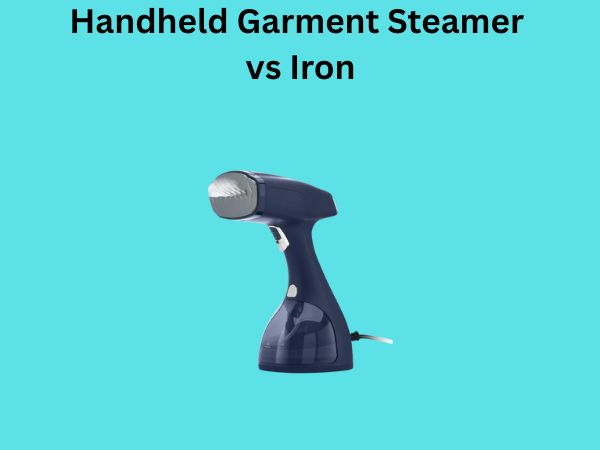
Steamers operate on a completely different principle. They heat water to create steam, which they then release onto your garments. The steam penetrates the fabric fibers and relaxes the wrinkles without direct pressure. It’s more like a gentle persuasion than a forceful command. The moisture in the steam helps the fabric fibers to soften and naturally fall into smooth patterns. You can use a steamer on clothes while they’re hanging on a hanger or on your body, which is a major convenience factor.
Speed and Efficiency Comparison
Now, let’s talk about speed because we’re all busy people living in a fast-paced world.
Iron Speed
Irons are generally faster at removing wrinkles. Once the iron reaches temperature, you can immediately start pressing clothes. A single shirt typically takes just five to ten minutes, and you can tackle stubborn creases quickly with that concentrated heat and pressure. If you have a pile of clothes to get through and you’re in a hurry, an iron is your friend.
Steamer Speed
Steamers take longer because they need to heat up water and generate steam, and the process of steaming itself is more gradual. You’re essentially letting the steam do the work rather than forcing it. That same shirt might take fifteen to twenty minutes with a steamer. However, here’s the trade-off: you don’t need an ironing board and can steam clothes directly on hangers, which saves setup time.
Fabric Compatibility and Safety
This is where you really need to pay attention, especially if you have delicate clothing.
Fabrics Irons Handle Well
Irons excel with natural fibers like cotton and linen that can handle direct heat and pressure. They’re perfect for crisp button-up shirts, dress pants, and linens. These fabrics are tough and benefit from the pressing action that creates those sharp creases.
Fabrics That Challenge Irons
Delicate fabrics are where irons can become problematic. Silk, satin, velvet, and polyester blends risk getting shiny marks or even burning if the iron is too hot or if you’re not careful with pressure. You need to use a pressing cloth and be very gentle, which kind of defeats the purpose of using an iron in the first place.
Steamer-Friendly Fabrics
Here’s where steamers shine. They work beautifully on delicate fabrics because there’s no direct contact or pressure. Silk blouses, satin dresses, lace garments, and even velvet can be steamed safely. You’ll never get a shiny burn mark, and the gentle approach actually helps preserve the fabric’s integrity.
Steamer Limitations
Steamers aren’t ideal for creating sharp creases or pressing in precise folds. If you want perfectly pressed dress pants with razor-sharp creases, a steamer alone won’t deliver that professional look.
Heat Levels and Temperature Control
Let’s get into the technical side for a moment because temperature control matters more than you might think.
Iron Temperature Precision
Most modern irons offer multiple heat settings that you can adjust based on fabric type. This is actually important because setting matters. Too hot for a delicate fabric and you’re risking damage. The precision is good, but you still need to be attentive and match the setting to what you’re pressing.
Steamer Temperature Consistency
Steamers operate at a more consistent temperature since the steam itself regulates at around 212 degrees Fahrenheit. You don’t need to fiddle with settings as much. This consistency is both a benefit and a limitation. You can’t customize the temperature for different fabrics as much, but you also can’t accidentally overheat something.
Portability and Travel Friendliness
Are you someone who travels frequently or moves between homes? This consideration might be decisive.
Iron Portability
Traditional irons are relatively compact, and many come with travel-sized versions. However, you absolutely need an ironing board to use one effectively. Unless you’re traveling with an actual ironing board or using a hotel’s board, an iron becomes unwieldy. Some people improvise with a towel on a desk, but that’s not ideal and doesn’t work well.
Steamer Portability
Handheld steamers are genuinely portable. They’re lightweight, don’t require any setup beyond finding an outlet, and don’t need anything but a hanger. Many travel-focused steamers are specifically designed to be compact and lightweight. If you travel frequently or move between locations, a handheld steamer is significantly more practical.
Cost Analysis: Initial Investment and Long-term Expenses
Let’s talk about your wallet because the financial aspect deserves careful consideration.
Iron Investment
A quality iron costs anywhere from thirty to two hundred dollars depending on the brand and features. Plus, you need an ironing board if you don’t have one, which adds another fifty to two hundred dollars. So your initial investment might be eighty to four hundred dollars total. The good news is that irons are very durable and can last for many years with minimal maintenance.
Iron Operating Costs
Irons consume electricity whenever they’re heating and pressing, but the consumption is relatively modest for the occasional use most people do. If you’re ironing once or twice a week, you’re looking at minimal electricity costs.
Steamer Investment
Handheld steamers range from forty to three hundred dollars depending on quality and features. Unlike irons, you don’t need to purchase additional equipment. The initial cost is often lower or comparable to irons, and you save on the ironing board.
Steamer Operating Costs
Steamers use electricity to heat water and generate steam. While water is inexpensive, regular use does increase electricity consumption slightly more than an iron. You also might want to use distilled water to prevent mineral buildup, which is an ongoing minor expense.
Learning Curve and Ease of Use
How quickly can you become competent with each tool?
Iron Learning Curve
Irons have a relatively steep learning curve for mastering them. You need to learn proper technique, pressure application, movement patterns, and heat management. Using too much pressure can create unwanted creases, using too little won’t remove wrinkles, and the angle of approach matters. Getting professional results takes practice and skill.
Steamer Learning Curve
Steamers are much more forgiving and intuitive. You essentially hold it over the fabric and let the steam do the work. There’s less technique involved, fewer ways to make mistakes, and you’ll get acceptable results almost immediately. It’s more intuitive for most people.
Storage Requirements
Where you’re going to keep these tools matters, especially if your living space is limited.
Iron Storage Needs
An iron and ironing board together take up considerable space. You need a dedicated area, typically a closet corner or storage room. If you’re living in a small apartment or condo, finding space for a full ironing board setup can be challenging. Some people store them upright in a narrow closet, but it’s not ideal.
Steamer Storage Needs
A handheld steamer is compact and can fit in a small cabinet, drawer, or closet shelf. It requires minimal storage space, which is another point in its favor for people with space constraints.
Environmental Impact
If you care about your environmental footprint, this deserves consideration.
Iron Environmental Considerations
Irons consume electricity when heating and maintaining temperature. If you’re using it regularly, this contributes to your energy consumption. However, they last many years, so the per-use environmental cost is relatively low.
Steamer Environmental Considerations
Steamers also consume electricity, potentially slightly more than irons for the same garment because the process takes longer. If you use distilled water, you’re purchasing bottled water which has its own environmental impact. However, if you use tap water, this impact is minimized. Both tools are reusable, which is better than disposable alternatives.
Durability and Maintenance
How long will these tools last, and what upkeep do they need?
Iron Durability
Quality irons are built to last. With basic care, a good iron can work for ten to fifteen years or longer. Maintenance is minimal—mainly just keeping the soleplate clean and occasionally checking the cord.
Iron Maintenance Requirements
You should clean the soleplate regularly to prevent buildup, and some irons need descaling if you use tap water. It’s minimal work, but it is necessary for longevity.
Steamer Durability
Quality steamers also last many years, though they’re slightly more complex with their water systems. A good handheld steamer can last five to ten years with proper care.
Steamer Maintenance Requirements
Steamers require more maintenance than irons. You need to empty the water tank after each use to prevent stagnation and mineral buildup. Regularly descaling with a descaling solution is important, especially if you use tap water. This ongoing maintenance is necessary to prevent mold and keep the unit functioning properly.
Best Use Cases for Each Tool
Let me break down where each tool actually excels in real-world scenarios.
When an Iron is Your Best Choice
- You need to create sharp, precise creases in dress pants or formal wear
- You work in a professional environment and wear cotton dress shirts regularly
- You have significant quantities of clothing to press
- You prefer the speed of pressing over gentleness
- You’re pressing natural fibers like cotton and linen exclusively
- You have space for an ironing board setup
When a Handheld Steamer is Your Best Choice
- You frequently wear delicate fabrics like silk or satin
- You travel regularly and need portable solutions
- You live in a small space with limited storage
- You prefer quick touch-ups without elaborate setup
- You have clothing hanging in your closet that needs refreshing
- You’re nervous about damaging delicate garments
- You want to steam clothes while they’re on hangers or your body
Can You Use Both Together?
Here’s an interesting question: do you need to choose just one?
Many people who take their wardrobe seriously actually keep both tools on hand. They use a steamer for everyday touch-ups and delicate fabrics, and an iron for professional dress clothes and creating sharp creases. This combination gives you maximum flexibility and the best results for different situations. If you have the space and budget, this dual approach is actually quite practical.
Making Your Final Decision
So how do you actually decide? Here’s what I recommend thinking through:
Consider Your Lifestyle
How much do you travel? How often are you dressing up for professional settings? How much time do you typically have for clothing care? Your answers to these questions should heavily influence your decision.
Evaluate Your Wardrobe
What fabrics dominate your closet? If you’re mostly wearing cotton and linen, an iron might serve you better. If you have lots of delicate fabrics, a steamer is the safer choice.
Assess Your Space
Honestly evaluate your storage situation. If you’re in a small living space, a steamer makes more practical sense.
Think About Your Budget
Can you afford to invest in both? If not, where does your money go further? Generally, a quality handheld steamer offers better value for most people because you don’t need to purchase an ironing board.
Test Before You Buy
If possible, borrow a steamer or iron from a friend to test it out. You’ll quickly discover which approach feels more natural to you.
Conclusion
After exploring every angle of this comparison, here’s what I’ve learned: there’s no universally correct answer. Your best choice depends entirely on your specific situation, lifestyle, and preferences. However, I will say this—if I could only choose one tool and I had to be honest about what works for most people in today’s world, I’d choose a quality handheld steamer. They’re more versatile, gentler on fabrics, require less space, need no additional equipment, and work for travel situations that most of us encounter. They’re also more forgiving if you’re