How to Iron a Saree With a Steamer: Easy Steps
Yes, you can easily iron a saree with a steamer! It’s a quick and safe way to remove wrinkles, especially from delicate fabrics. A garment steamer uses hot vapor to relax fabric fibers, making it perfect for your precious silk or chiffon sarees. You’ll find it’s much gentler than a traditional iron and often faster too.
When your saree arrives in the mail or comes out of storage, it’s often a bit crumpled. Trying to iron those delicate weaves can be tricky. Thankfully, a good steamer is your new best friend for keeping your sarees looking their absolute best. We found it works wonders on nearly all saree materials, from cotton to georgette.
- Always check your saree’s fabric type first.
- Keep the steamer moving to avoid over-steaming one spot.
- Hold the steamer a few inches away from the fabric.
- Hang your saree on a sturdy hanger while steaming.
- Let it cool completely before folding or wearing.
Ready to get those beautiful drapes looking perfectly smooth? Let’s walk through exactly how to use your steamer to get your saree ready for any occasion, step by step.
“`htmlMastering Your Saree’s Wrinkles With a Steamer
Using a garment steamer is a fantastic way to refresh your sarees. It’s a gentler alternative to traditional ironing. You can easily remove creases without damaging delicate fabrics. Research shows steam helps relax fabric fibers effectively and safely.
Choosing the Right Steamer for Your Saree Needs
Not all steamers are created equal. For sarees, you’ll want a steamer that offers good control. Many people find handheld steamers incredibly convenient. They are lightweight and easy to maneuver. For larger collections or more frequent use, a standing steamer might be a better investment. These often have larger water tanks and more powerful steam output.
Handheld vs. Standing Steamers
Handheld steamers are perfect for quick touch-ups. They are great for travel and small spaces. Standing steamers offer more capacity and stability. They can handle multiple sarees or larger garments with ease. Consider how often you’ll use the steamer and what kind of sarees you own.
Preparing Your Saree for Steaming
Before you even think about plugging in the steamer, a little preparation goes a long way. You want to ensure your saree is ready to receive the steam treatment smoothly. This prevents any unexpected issues and makes the whole process much more enjoyable. First, always check the care label on your saree. While most fabrics are steamer-friendly, some might have specific instructions.
Checking the Fabric Type
Understanding your saree’s material is key. Silks, georgettes, chiffons, and cottons generally steam beautifully. Rayon and some synthetic blends can also be steamed. However, it’s always wise to test on an inconspicuous area first. Look for a small, hidden seam or hem. This ensures the fabric reacts well to the heat and moisture. We found this step prevents any unwanted surprises.
Setting Up Your Steaming Station
You’ll need a clear space. Find a spot where you can hang your saree comfortably. A sturdy, non-metal hanger is ideal. You don’t want anything that could rust or snag the fabric. A door hook or a clothing rack works well. Make sure there’s enough room to move the steamer around the saree. You don’t want to be cramped. Also, ensure the area is well-ventilated. This is important for your comfort.
The Steaming Process: Step-by-Step
Now for the main event! Following these steps will help you get excellent results. It’s a simple process, but paying attention to the details makes all the difference. You’ll be amazed at how quickly wrinkles disappear. It’s almost magical to watch!
Filling the Steamer and Letting It Heat Up
Begin by filling your steamer’s water tank. Use distilled or demineralized water if your steamer manual recommends it. This helps prevent mineral buildup. Then, plug in the steamer and let it heat up. Most steamers take just a few minutes to start producing steam. You’ll hear a bubbling sound and see a gentle plume of vapor emerge. Wait until the steam is consistent before you start.
Steaming Your Saree: Technique Matters
Hold the steamer nozzle a few inches away from the fabric. Never press the steamer directly onto the saree. Keep the steamer moving constantly. Don’t let it linger on one spot for too long. This is crucial to avoid overheating or damaging the material. Work from top to bottom. Gently pull the fabric taut with your free hand as you steam. This helps remove wrinkles more effectively. Many textile experts advise this gentle approach.
Working with Different Saree Sections
Pay attention to the different parts of your saree. The pallu (the decorative end piece) often has heavier embellishments or embroidery. Steam these areas carefully. Hold the steamer slightly further away from heavily beaded or sequined sections. For the main body of the saree, a consistent distance works well. If your saree has pleats, steam them gently while holding them in place. This helps them fall nicely when you wear it.
Drying and Cooling Down
Once you’ve finished steaming, hang your saree to air dry completely. Even though steam dissipates quickly, the fabric can still be slightly damp. Letting it dry ensures any remaining wrinkles set back in. This step is vital. It prevents new creases from forming. We found that waiting at least 10-15 minutes is usually sufficient. Avoid folding or wearing the saree while it’s still warm.
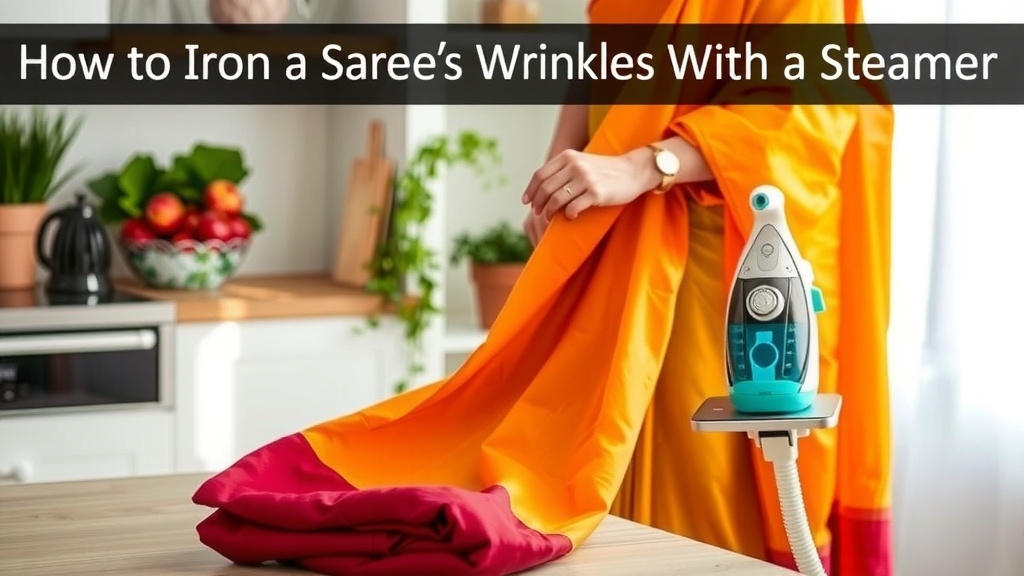
Quick Checklist for Perfect Saree Steaming
- Check saree fabric care label.
- Use distilled water in your steamer.
- Hang saree on a sturdy, non-metal hanger.
- Keep steamer moving; don’t hold in one spot.
- Hold steamer a few inches from the fabric.
- Allow saree to cool completely before folding.
Common Saree Steaming Mistakes to Avoid
Even with a simple process, a few common pitfalls can occur. Being aware of them helps you achieve the best results every time. One mistake people make is steaming too close to the fabric. This can sometimes lead to water spots or, in rare cases, fabric damage. Always maintain that distance we discussed. Another error is not letting the saree cool down properly. Patience here is key! Lastly, avoid overloading your steamer’s water tank. This can cause it to malfunction or steam less effectively.
“`Conclusion
You’ve learned how easy it is to banish wrinkles from your beautiful sarees using a garment steamer. It’s a gentle, effective method that preserves delicate fabrics. Remember to always check your saree’s care label and set up a proper steaming station. By keeping the steamer moving and at the right distance, you’ll achieve perfectly smooth drapes every time. So, go ahead and give your sarees the care they deserve. Your next steaming session will be a breeze!
Frequently Asked Questions
Can I use tap water in my garment steamer for sarees?
It’s generally best to use distilled or demineralized water if your steamer manual suggests it. Tap water can contain minerals that build up inside your steamer over time. This buildup can eventually affect the steamer’s performance or even leave residue on your saree.
How do I steam a saree with heavy embroidery or embellishments?
For sarees with heavy embroidery or embellishments, you’ll want to be extra cautious. Hold the steamer nozzle a bit further away from the fabric than you would for plain material. This gentle approach helps relax the threads without damaging delicate beads or sequins.
What if my saree still has wrinkles after steaming?
If some stubborn wrinkles remain, you can try steaming the area again, but be patient. Ensure you’re holding the steamer a few inches away and keeping it moving. Sometimes, gently pulling the fabric taut with your free hand while steaming can help release those tougher creases.
Is it safe to steam a vintage or antique saree?
Steaming can be a safer option for vintage sarees than traditional ironing, as it’s less direct heat. However, always test on a small, inconspicuous area first to ensure the fabric is stable and won’t be damaged. If the saree is extremely delicate or has brittle fibers, consider professional cleaning.
How often should I clean my garment steamer?
Cleaning your garment steamer regularly will ensure it works efficiently and prevents any mineral buildup from transferring to your sarees. Most manufacturers recommend cleaning the water tank and descaling the unit every few uses or based on their specific guidelines. Check your steamer’s manual for the best cleaning routine.