How to Clean a Tefal Steam Iron: Easy Guide
The easiest way to clean a Tefal steam iron is by using a damp cloth and a mild cleaning solution. You can also use a specialized iron cleaning paste. Keeping your Tefal iron clean and free of buildup ensures it works its best for your laundry. This prevents unsightly brown spots on your clothes. We found this simple method helps maintain its steam output. It’s surprisingly easy to do!
Over time, mineral deposits from water can clog your iron’s steam vents. Fabric residue can also build up on the soleplate. Regular cleaning prevents these issues. It helps your iron glide smoothly over fabrics. We found that most Tefal models benefit from a quick wipe-down after each use. Addressing buildup early saves you from bigger problems later.
- Use a damp cloth and mild cleaner for regular cleaning.
- Specialized iron cleaning pastes work well for tougher spots.
- Descale your iron regularly to prevent mineral buildup.
- Always unplug your iron and let it cool completely first.
- Check your Tefal manual for specific cleaning instructions.
Ready to get your Tefal iron sparkling again? Let’s walk through exactly how to tackle that grime, step by step.
Keeping Your Tefal Steam Iron in Top Shape
A clean steam iron is your secret weapon against stubborn wrinkles. It ensures a smooth glide over fabrics. It also prevents those dreaded brown spots from appearing on your fresh laundry. We found that regular cleaning is key. This guide will walk you through making your Tefal iron work like new. You’ll be ironing with confidence again in no time.
Understanding Iron Buildup: Why It Happens
Your Tefal iron uses water to create steam. Tap water often contains minerals. These minerals, like calcium and magnesium, can build up over time. This is called limescale. It can clog the tiny steam vents. This reduces the amount of steam your iron produces. The soleplate, the metal part that touches your clothes, can also get dirty. Fabric fibers and residue from starch can stick to it.
The Culprits Behind a Dirty Soleplate
Think of the soleplate as your iron’s face. It needs to be clean to make a good impression. When you iron synthetic fabrics or mixed blends at high heat, they can melt slightly onto the soleplate. This creates a sticky, gummy residue. Starch, while helpful for crisp shirts, can also leave a coating. This coating can burn onto the soleplate during heating.
Mineral Deposits: The Silent Cloggers
Many homes have hard water. Hard water has a higher mineral content. When you fill your iron’s water tank, you’re also adding those minerals. As the iron heats up, the water turns to steam, but the minerals are left behind. They accumulate inside the iron, especially around the heating element and steam outlets. We found that even a little buildup can significantly affect performance.
Essential Cleaning Steps Before You Start
Safety first is always our motto. Before you touch your iron with any cleaning supplies, make sure it’s unplugged. It also needs to be completely cool. Trying to clean a hot iron can lead to burns. We found that letting it sit for at least 30 minutes is usually enough. Never immerse your iron in water. This can damage the electrical components.
Gather Your Cleaning Supplies
You likely have most of what you need in your home. Here’s a quick list:
- Soft, damp cloths
- Mild dish soap or specialized iron cleaner
- A soft brush or old toothbrush
- White vinegar (for descaling)
- A clean, dry towel
Regular Maintenance: Keeping the Soleplate Pristine
A quick wipe-down after each use is a game-changer. It prevents most problems before they start. After you finish ironing and the iron is cool, take a damp cloth. Gently wipe the soleplate. This removes any loose fibers or residue. For slightly more stubborn marks, you can add a drop of mild dish soap to the damp cloth. Rinse the cloth and wipe again to remove soap residue. Then, dry it thoroughly with a clean towel.
Tackling Stubborn Soleplate Grime
Sometimes, you’ll encounter marks that a simple wipe won’t remove. Don’t panic! There are a few methods that work well. One effective approach is using a paste of baking soda and water. Mix equal parts to form a paste. Gently rub it onto the cooled soleplate. Then, wipe it clean with a damp cloth. Rinse and dry well.
Many experts suggest specialized iron cleaning pastes. These are designed to remove residue without scratching the soleplate. Follow the product instructions carefully. We found that these pastes are very effective for tougher jobs. Always test a small, inconspicuous area first if you’re unsure.
Descaling Your Tefal Steam Iron: Removing Mineral Buildup
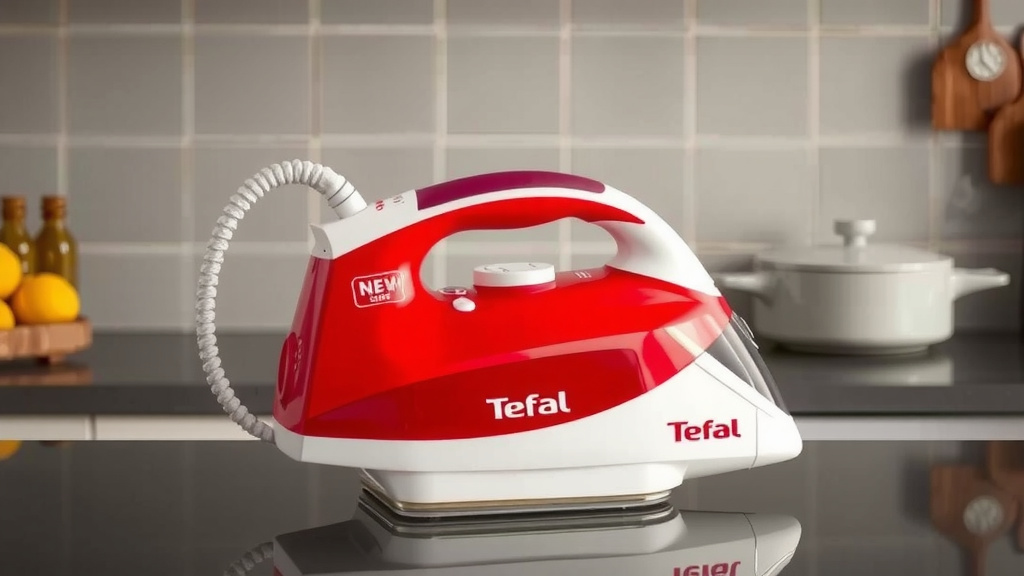
Descaling is crucial for maintaining steam output. Mineral deposits can clog the steam vents. This is especially true if you use tap water. Tefal irons often have a self-cleaning function. Check your manual to see if yours does. If not, or if it needs a deeper clean, vinegar is your friend.
The White Vinegar Method for Descaling
First, unplug your iron and let it cool. Empty any remaining water from the tank. Mix equal parts white vinegar and distilled water. Fill the water tank with this solution. Place the iron upright on a heat-resistant surface, like an old towel. Turn the iron to its highest heat setting. Let it heat up for about 5-10 minutes. Then, unplug the iron. Hold it horizontally over a sink. Gently press the steam or self-clean button. You should see steam and possibly some brown gunk come out. Repeat this process, emptying the tank and refilling with fresh vinegar-water solution if needed, until no more residue comes out.
Once you’ve finished steaming out the vinegar solution, empty the tank completely. Refill the tank with fresh distilled water. Heat the iron again and steam it out over a sink for a few minutes. This rinses away any lingering vinegar smell. Finally, empty the tank and dry the soleplate with a clean cloth.
Using Distilled Water for Prevention
The best way to prevent mineral buildup is to use distilled water. You can buy distilled water at most grocery stores. It has had the minerals removed. Using it regularly will significantly reduce limescale. Many manufacturers, including Tefal, recommend using distilled or demineralized water for best results. We found that switching to distilled water made a noticeable difference in steam production and iron longevity.
| Type of Stain | Recommended Cleaning Method |
|---|---|
| Fabric Residue/Melted Synthetics | Baking soda paste or specialized iron cleaner. Wipe gently with a damp cloth. |
| Starch Buildup | Mild dish soap on a damp cloth. For tougher spots, try a baking soda paste. |
| Mineral Deposits (External) | Wipe with a damp cloth. If stubborn, use a 50/50 vinegar-water solution on the cloth (not directly on the iron). |
| Rust Spots | Try a paste of lemon juice and salt. Apply carefully and wipe clean. |
Quick Maintenance Checklist
Here’s a handy checklist to keep your Tefal iron in great working order:
- Always unplug and cool before cleaning.
- Wipe the soleplate after each use.
- Descale every 1-3 months (depending on water hardness).
- Use distilled water to prevent mineral buildup.
- Check your iron’s manual for specific cleaning features.
- Address any sticky spots promptly.
Conclusion
You’ve learned how to keep your Tefal steam iron working its best. Regular cleaning prevents stains and ensures smooth ironing. Tackling soleplate grime and descaling are simple steps. Using distilled water helps prevent future buildup. Your iron will thank you for it with better performance. Keep these tips in mind for consistently crisp laundry. Now, go ahead and give your iron that much-needed refresh!
Frequently Asked Questions
How often should I descale my Tefal iron?
You should aim to descale your Tefal iron every 1 to 3 months. This frequency depends on how often you use it and the hardness of your water. If you notice reduced steam output or brown spots, it’s definitely time to descale.
Can I use regular tap water in my Tefal steam iron?
While you can use tap water, it’s not ideal. Tap water contains minerals that cause limescale buildup over time. We found that using distilled or demineralized water significantly extends your iron’s life and maintains steam performance.
What should I do if I accidentally used cleaner on a hot iron?
Immediately unplug the iron and let it cool down completely. Avoid touching the soleplate until it’s safe. Once cool, you can gently wipe it with a damp cloth to remove any residue. It’s best to wait until it’s fully cooled to prevent burns.
Is it safe to use vinegar to clean my Tefal iron?
Yes, white vinegar is a common and effective descaling agent for Tefal irons. Just be sure to follow the specific steps: dilute it with distilled water, run it through the steam cycle, and then rinse thoroughly with fresh distilled water to remove any vinegar smell.
My iron left a sticky residue on my clothes. How do I fix it?
This usually means your soleplate needs cleaning. After the iron has completely cooled, try a baking soda paste or a specialized iron cleaning paste. Gently rub the affected area and wipe clean with a damp cloth. Always dry the soleplate thoroughly afterward.