How to Steam Curtains With an Iron: Easy Guide
Yes, you can absolutely steam curtains with an iron to remove wrinkles. It’s a surprisingly effective and quick method for refreshing your drapes. You just need to use the steam function correctly and keep the iron from touching the fabric.
Many people think steaming curtains requires a special steamer. But your trusty iron can do the job with minimal effort. It’s a great way to get that crisp, hung-up look without taking them down. We found this method works best on synthetic and blended fabrics.
- Use your iron’s steam setting.
- Hold the iron a few inches away.
- Never let the iron touch the curtain fabric.
- Work in sections for best results.
- Hang curtains straight before starting.
Ready to give your curtains a fresh, wrinkle-free look? Let’s walk through exactly how to steam them using just your iron, step by step.
Steaming Your Curtains Using an Iron: A Simple Approach
Your trusty iron can work wonders on wrinkled curtains. You might be surprised how easy it is. This method saves you time and effort. It’s a smart way to refresh your window treatments. We found this works best for synthetic and blended fabrics.
Getting Your Curtains Ready for a Steam Treatment
Before you start, make sure your curtains are hanging properly. They should be straight and taut. This ensures even steam distribution. Any wrinkles or folds in the fabric can cause uneven results. It’s like ironing a shirt; you want a smooth surface to begin with.
Step 1: Prepare Your Iron and Workspace
First, check your iron. Ensure the water reservoir is filled with distilled or demineralized water. Tap water can leave mineral deposits in your iron. These deposits can stain your curtains. Clean the soleplate of your iron if it has any residue. This prevents transferring dirt onto your clean drapes. You don’t want to create new problems while fixing old ones!
Clear the area around your curtains. You need plenty of space to move the iron. Make sure there’s nothing that could be damaged by steam or heat. Keep pets and children away from the area while you work. Safety first, always!
Step 2: Select the Right Heat and Steam Settings
This is a critical step. You need to set your iron correctly. Check the care label on your curtains. It will tell you the recommended heat setting. For most synthetic and blended fabrics, a low to medium heat is ideal. Think linen or rayon settings. Avoid high heat, which can scorch delicate materials.
Next, engage the steam function. Turn your iron to its highest steam setting. More steam means a quicker, more effective wrinkle release. Research shows that steam helps relax fabric fibers. This allows wrinkles to fall out more easily. You are essentially using the iron as a makeshift handheld steamer.
Step 3: The Steaming Technique: Keep Your Distance!
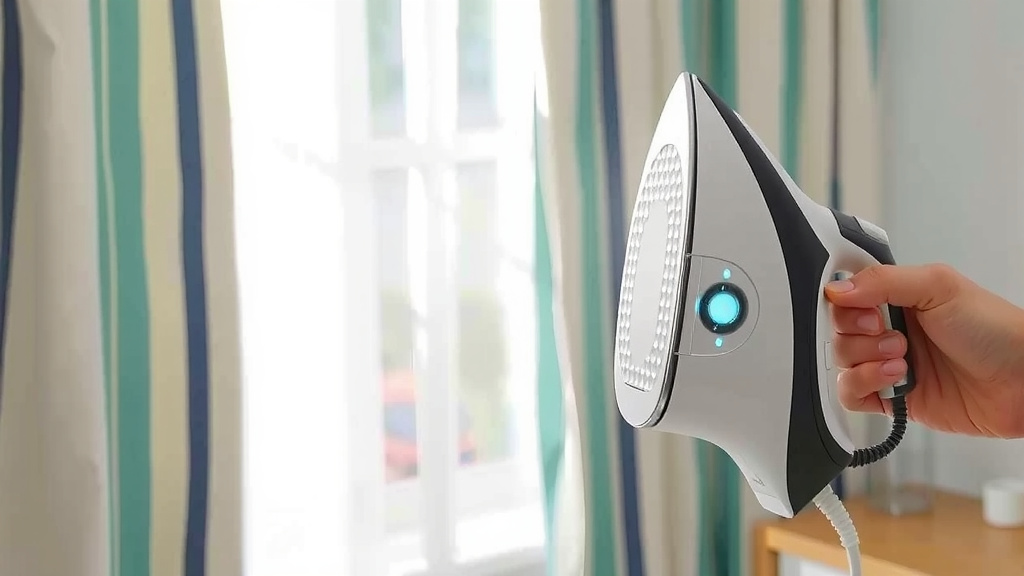
Now for the actual steaming. Hold the iron a few inches away from the curtain fabric. Never let the iron touch the material directly. This is the golden rule. Direct contact can melt synthetic fibers or cause water spots. The steam, not the hot plate, is doing the work.
Work in small, manageable sections. Start at the top of the curtain and move downwards. Use slow, steady strokes with the steam. Let the steam penetrate the fabric for a few seconds. Then, move the iron to the next section. Overlapping your strokes slightly ensures no spot is missed.
Dealing with Stubborn Wrinkles
Sometimes, a wrinkle just won’t budge. For these tough spots, you can try holding the iron a little closer. Still, maintain that distance of at least 1-2 inches. You can also try passing the iron over the area a couple of times. Let the fabric cool slightly between passes. Patience is key here; you don’t want to damage the material.
Step 4: Work Around Hardware and Trims
Be extra careful around decorative trims, tassels, or tie-backs. These elements might be made of different materials. They could be more sensitive to heat or steam. It’s often best to keep the iron further away from these areas. Or, you might need to steam them very briefly. Some experts suggest using a pressing cloth for these delicate parts.
If your curtains have metal grommets or hooks, keep the iron well away. Metal can get extremely hot. It could scorch the fabric or even melt plastic components. Always prioritize the safety of your curtains. Think of it like giving them a spa treatment, not a harsh scrubbing.
Fabric Suitability and What to Watch Out For
As mentioned, this method is best for synthetic and blended fabrics. These materials often have a good tolerance for steam. They tend to hold their shape well after steaming. Think polyester, nylon, or cotton blends.
However, some fabrics are less forgiving. Natural fibers like silk or velvet can be tricky. They might water spot easily. High heat can also damage them. For these, a dedicated handheld steamer is often a safer bet. Always test a small, inconspicuous area first. This could be the hem or a corner that’s usually hidden.
When to Avoid Steaming with an Iron
If your curtain’s care label explicitly says “Do Not Steam” or “Dry Clean Only,” do not use this method. You risk ruining your curtains. Also, avoid steaming curtains that are very old or delicate. The steam might be too much for them. When in doubt, consult the manufacturer’s instructions or a professional cleaner.
Quick Checklist for Success
Here’s a quick rundown to ensure you get the best results:
- Fill iron with distilled water.
- Set iron to low-medium heat.
- Use the highest steam setting.
- Hold iron a few inches from fabric.
- Never let the iron touch curtains.
- Work in small, downward sections.
Conclusion
You’ve learned that steaming your curtains with a regular iron is a smart, accessible way to refresh your home decor. By following a few key steps, like using distilled water and maintaining a safe distance, you can effectively banish wrinkles without special equipment. Remember, this method is fantastic for synthetic and blended fabrics, but always check your curtain’s care label first. Now, go ahead and give those drapes a revitalizing steam – your room will look so much crisper!
Frequently Asked Questions
Can I use tap water in my iron for steaming curtains?
It’s best to avoid tap water. Tap water contains minerals that can build up inside your iron. This residue can eventually stain your curtains or clog the steam vents. Always opt for distilled or demineralized water for optimal results and iron longevity.
What if my curtains are made of silk or velvet?
For delicate natural fibers like silk or velvet, this iron-steaming method can be risky. These fabrics are prone to water spots and heat damage. We found that a dedicated handheld steamer is a much safer and more effective choice for these materials.
How close can I hold the iron to the fabric?
You should always keep the iron at least a few inches away from the curtain fabric. Direct contact with the hot soleplate can cause melting, scorching, or water marks, especially on synthetic materials. The steam is what does the work, not the hot metal plate.
My curtains have a few stubborn wrinkles. What should I do?
For tougher wrinkles, you can try passing the iron over the area a couple of times. You might also slightly reduce the distance to about 1-2 inches, but never let it touch. Allow the fabric to cool a bit between passes. Patience is key to avoid damaging the material.
Can I steam curtains that are hung up or do I need to take them down?
The great news is you don’t need to take them down. This method is designed to be done while curtains are hanging. Just ensure they are hanging straight and taut before you begin steaming for the most even results.