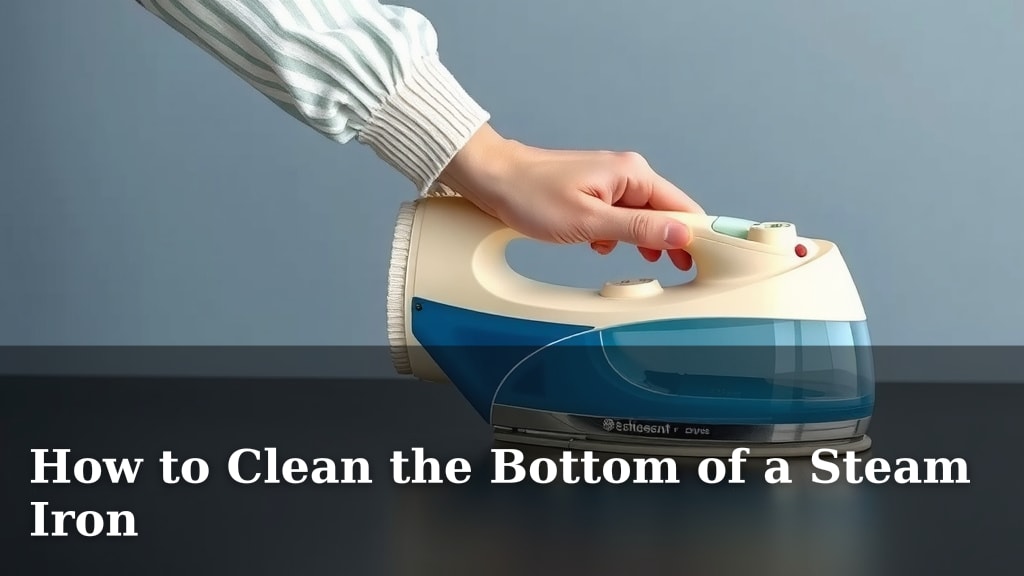
How to Clean the Bottom of a Steam Iron
The easiest way to clean the bottom of a steam iron is by using a paste of baking soda and water. This simple solution effectively removes scorch marks and residue without damaging your appliance. You’ll be amazed at how shiny your iron’s soleplate can get!
A dirty iron soleplate can snag fabrics and leave unwanted marks on your clothes. This happens when fabric fibers, starch, or mineral deposits build up over time. Cleaning it regularly ensures your iron glides smoothly and prevents further damage to your wardrobe. It’s a quick fix for a common laundry woe.
- Use a baking soda and water paste for easy cleaning.
- Wipe gently with a soft cloth.
- Rinse and dry thoroughly.
- Always do this with a cool iron.
Let’s walk through exactly how to get that iron soleplate looking like new, step by step.
Revitalize Your Steam Iron’s Soleplate
Got a steam iron that’s seen better days? You know, the one that seems to snag on your favorite shirt or leave faint brown streaks? A dirty soleplate is usually the culprit. It happens when tiny bits of fabric, residue from starch, or mineral buildup from water get stuck. Don’t worry, getting that smooth glide back is easier than you think!
Common Causes of a Gummy Iron Soleplate
Over time, your iron’s bottom can become a bit of a magnet for sticky stuff. You might be wondering, “How did this even happen?” Well, it’s usually a few things working together.
Fabric Residue and Melted Fibers
As you iron, tiny fibers from your clothes can transfer onto the hot soleplate. Sometimes, synthetic fabrics can even melt a little. This sticky residue can build up quickly. It’s like static cling for your iron.
Starch Buildup
If you use spray starch on your clothes, some of that can end up on the iron. It’s meant for the fabric, but a little can always transfer. Over time, this creates a gummy layer.
Mineral Deposits from Water
If you use tap water in your steam iron, you might be introducing minerals. These minerals can deposit inside the iron and sometimes even come out onto the soleplate. This is especially common in areas with hard water. Many appliance guides suggest using distilled or demineralized water to avoid this.
Safely Preparing Your Iron for Cleaning
Before you grab any cleaning supplies, there’s one crucial step you absolutely must take. Safety first, always!
Unplug and Cool Down
Your iron needs to be completely cool before you touch the soleplate. Seriously, unplug it and let it sit for at least 30 minutes. A hot iron can cause burns. It can also damage cleaning tools or even the soleplate itself. Patience here is key.
Empty the Water Reservoir
It’s a good idea to empty any water left in the reservoir. This prevents accidental leaks when you’re cleaning or moving the iron. Just tip the iron over a sink and drain it completely.
Simple Home Remedies for a Sparkling Soleplate
You don’t need fancy cleaners for this job. Some common household items work wonders! We’ve found that natural solutions are often the most effective and safest for your appliance.
The Baking Soda Paste Method
This is a tried-and-true method. Baking soda is a mild abrasive. It can lift away grime without scratching.
What You’ll Need
For this, you’ll want:
- Baking soda
- Water
- A soft cloth or sponge
- A clean, dry towel
How to Mix the Paste
Grab a small bowl. Mix about two tablespoons of baking soda with enough water to form a thick paste. You want it to be like toothpaste. Not too watery, not too dry. This paste is your magic potion for a sticky soleplate.
Applying the Paste
Gently spread the paste over the cool soleplate. Focus on the dirty or sticky areas. Try to avoid getting it into the steam vents. Let it sit for just a few minutes to work its magic.
Wipe and Rinse
Use a damp, soft cloth to wipe away the paste. You might need to do this a few times. Make sure all the baking soda residue is gone. Then, wipe the soleplate with a clean, damp cloth to rinse it.
Dry Thoroughly
Immediately dry the soleplate with a clean, dry towel. You want it completely dry. Any remaining moisture can lead to new problems.
Using Salt for Stubborn Scorch Marks
For really tough scorch marks, a bit of salt can help. Research indicates that salt can act as a gentle abrasive.
How to Use Salt
Lay a clean cloth or paper bag on your ironing board. Sprinkle about a tablespoon of table salt over it. Heat your iron to a medium-high setting. Do NOT use steam. Carefully glide the hot iron over the salt-covered cloth. The salt should help lift off the burnt-on residue. Let the iron cool completely afterward. Then, wipe the soleplate with a damp cloth and dry it.
Other Effective Cleaning Agents
Sometimes, you might need a slightly different approach. Here are a few other options that many people find work well.
Vinegar Solution
A solution of equal parts white vinegar and water can also be effective. Dip a soft cloth into the solution and wring it out well. Gently wipe the cool soleplate. Wipe again with a clean damp cloth. Finally, dry it thoroughly. Be sure to rinse well to remove any vinegar smell. Many guidelines suggest this for mild residue.
Dish Soap and Water
For greasy buildup, a little mild dish soap mixed with warm water can do the trick. Dip a soft cloth, wring it out, and wipe the cool soleplate. Rinse with a damp cloth and dry completely.
A Quick Checklist for Iron Soleplate Care
Keeping your iron in top shape is simple with regular attention. Here’s a quick guide to help you:
- Always let your iron cool completely before cleaning.
- Empty the water reservoir after each use.
- Use a soft cloth or sponge – never anything abrasive.
- Test any cleaning solution on a small, inconspicuous area first.
- Wipe the soleplate down with a damp cloth after cleaning.
- Dry the soleplate thoroughly with a soft towel.
When to Seek Professional Help or Consider Replacement
Most soleplate issues can be fixed with these simple methods. However, sometimes an iron might be beyond repair. If you’ve tried multiple cleaning methods and the soleplate is still damaged, discolored, or deeply scratched, it might be time to think about a new one. Deep damage can affect how the iron performs and could potentially harm your clothes. Safety and effectiveness are always the top priorities.
Conclusion
You’ve learned how simple it is to tackle a dirty steam iron soleplate. Using common household items like baking soda or salt can restore its glide. Remember to always prioritize safety by unplugging and cooling your iron first. A clean soleplate means smoother ironing and better-looking clothes. So, go ahead and give your iron a quick refresh. Your laundry routine will thank you for it!
Frequently Asked Questions
What’s the fastest way to clean a slightly sticky iron?
For minor stickiness, a quick wipe with a damp cloth after the iron has cooled can often do the trick. If that doesn’t work, a paste of baking soda and water applied gently is your next best bet. Just be sure to rinse and dry thoroughly.
Can I use a magic eraser on my iron’s soleplate?
We don’t recommend using a magic eraser or any abrasive scrubbing pad. These can easily scratch the soleplate, which can then snag your clothes. Stick to soft cloths and gentle, non-scratch cleaning agents like baking soda paste.
My iron left a dark mark on my white shirt. How do I remove it?
That dark mark is likely residue from your iron’s soleplate. Try cleaning the iron itself using the baking soda paste method described. For the garment, pre-treat the stain with a stain remover and wash as usual. You may need to repeat the iron cleaning if marks persist.
Is it okay to use distilled water in my steam iron?
Yes, using distilled or demineralized water is highly recommended. It helps prevent mineral buildup inside your iron and on the soleplate. This reduces the chances of stains and keeps your iron working efficiently.
How often should I clean the bottom of my steam iron?
It’s a good idea to inspect your iron’s soleplate regularly, perhaps every few uses or before ironing delicate fabrics. If you notice any buildup or residue, clean it promptly. For general maintenance, a quick wipe-down after each use is beneficial.