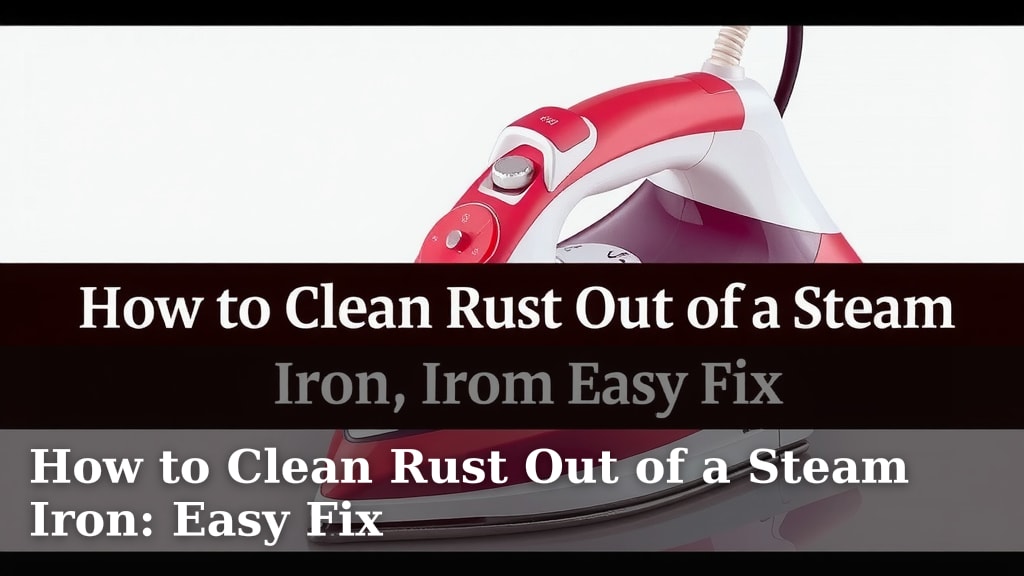
How to Clean Rust Out of a Steam Iron: Easy Fix
The easiest way to clean rust out of a steam iron is often with a simple paste of baking soda and water. This DIY solution is surprisingly effective. It can restore your iron’s soleplate to its former glory. You can get rid of those unsightly brown marks quickly.
Dealing with rust can be frustrating. It’s especially annoying when you need your iron for crisp clothes. Many factors can cause rust, like hard water deposits. But don’t worry, fixing it is usually straightforward. We’ve researched the most effective methods to help you out.
- Rust on your iron? No sweat!
- Baking soda paste is your best friend.
- Vinegar can also help remove stubborn rust.
- Always unplug your iron first!
- Test in an inconspicuous spot.
Ready to say goodbye to rust stains? Let’s walk through the easiest methods to get your steam iron looking and working like new again.
Restoring Your Steam Iron: Tackling Rust Stains
Dealing with rust spots on your steam iron can seem like a laundry day disaster. You’re aiming for crisp shirts, but instead, you’re getting brown marks. It’s a common problem, but thankfully, an easy fix. We’ve looked into the best ways to help you get rid of rust. You can have your iron working perfectly again in no time.
Why Does Rust Appear on Your Steam Iron?
Rust on your iron’s soleplate is usually caused by minerals in the water. Hard water, in particular, has high mineral content. When water heats up inside the iron, these minerals can build up. Over time, this buildup can corrode the metal. This leads to those stubborn rust stains. It’s like leaving a wet sponge out; it eventually gets funky.
Another reason is improper storage. Leaving water in the iron after use can also contribute to rust. It creates a damp environment where corrosion can start. Think of it as the iron rusting from the inside out. Many guidelines suggest emptying your iron after each use (Good Housekeeping).
Sometimes, using certain types of fabric starch directly on the soleplate can leave residue. This residue can attract dirt and moisture. It then leads to rust formation. You want a smooth glide, not a sticky situation.
The Baking Soda Method: Your Go-To Solution
When you need to clean rust out of a steam iron, baking soda is often the first and best answer. It’s a mild abrasive. It’s also a natural deodorizer and cleaner. This makes it perfect for lifting away those pesky rust particles. You probably already have it in your pantry!
Creating Your Baking Soda Paste
Making the paste is super simple. You’ll need just two ingredients: baking soda and water. Mix them in a small bowl. You want a consistency like toothpaste. It should be thick enough to stick to the rust but not so thick that it’s hard to spread.
Start with about two tablespoons of baking soda. Gradually add water, a teaspoon at a time. Stir until you get that perfect paste. It shouldn’t be runny at all. This paste is gentle enough for most soleplates.
Applying the Paste and Cleaning
First things first, always unplug your iron. Safety is key. Make sure the iron is completely cool. You don’t want to risk burns. Also, ensure it’s not plugged in during the cleaning process.
Gently apply the baking soda paste to the rusted areas of the soleplate. Use a soft cloth or a sponge. Avoid scrubbing too hard. You don’t want to scratch the surface. Let the paste sit for about 5 to 10 minutes. This gives it time to work on the rust.
After the paste has had a chance to sit, wipe it away with a damp cloth. You might need to go over it a few times. Rinse your cloth frequently. Make sure all the paste and loosened rust are gone. You can then wipe the soleplate dry with a clean, soft cloth.
Testing for Best Results
Before you go all-in on the entire soleplate, try the paste on a small, less visible spot first. This is a good practice for any cleaning solution. It helps ensure it won’t damage your iron’s finish. We found this tip works well for many appliances.
Using Vinegar: For Stubborn Rust Spots
If the baking soda paste didn’t quite do the trick, don’t despair! Vinegar is another common household item that can tackle tougher rust. Its acidic nature helps break down mineral deposits and rust more aggressively.
Vinegar Application Techniques
For light rust, you can use a cloth dipped in white vinegar. Wring out the cloth so it’s just damp. Gently wipe the rusted areas. Again, be sure your iron is unplugged and cool.
For more stubborn rust, you might want to create a vinegar and water solution. Mix equal parts white vinegar and distilled water. Dip a soft cloth into this solution. Apply it to the rust. Let it sit for a few minutes longer than the baking soda paste. Then, wipe it away with a clean, damp cloth.
Some experts recommend filling the water reservoir with a vinegar-water solution. Then, set the iron to a medium-high heat. Let it steam for a few minutes. Afterward, unplug the iron and let it cool completely. Empty the reservoir and wipe the soleplate clean. This method helps clean the steam vents too (Consumer Reports).
Important Considerations with Vinegar
Vinegar is acidic, so use it with care. Always ensure your iron is unplugged. Let it cool down before applying. Never use steel wool or harsh scrubbing pads. These can permanently damage your iron’s soleplate. A soft cloth or sponge is your best bet.
After using vinegar, it’s a good idea to flush the system with distilled water. Fill the reservoir with distilled water. Turn the iron on and let it steam over an old towel or cloth for a few minutes. This helps remove any residual vinegar. It also ensures no vinegar gets on your clothes.

Cleaning the Steam Vents and Reservoir
Rust isn’t just on the outside; it can clog your steam vents. This can affect how well your iron steams. You want those little holes clear for proper steam distribution.
If you used the vinegar method involving filling the reservoir, this helps clean the vents. You can also use a cotton swab dipped in white vinegar. Gently clean around the steam holes. Be careful not to push debris further into the iron.
For the reservoir, if you suspect buildup, use distilled water to flush it. You can also use a solution of one part vinegar to two parts distilled water. Fill the reservoir, let it sit for about 30 minutes, then drain and flush with plain distilled water.
Preventing Future Rust: Your Iron’s Best Friend
The best way to deal with rust is to prevent it from happening in the first place. A little bit of preventative care goes a long way. It keeps your iron in top condition.
Here’s a quick checklist to help you avoid future rust issues:
- Always empty the water reservoir after each use.
- Use distilled or demineralized water. This is especially important if you have hard water.
- Store your iron upright in a dry place.
- Avoid using fabric starch directly on the soleplate.
- Clean the soleplate regularly, even if you don’t see rust.
Taking these simple steps will help ensure your steam iron remains rust-free. You’ll enjoy smooth ironing for years to come. No more unexpected brown stains on your favorite shirt!
Conclusion
You’ve learned how simple it can be to tackle rust on your steam iron. Both baking soda paste and vinegar are effective, easy-to-find solutions. Remember to always prioritize safety by unplugging and cooling your iron before cleaning. By using these methods and incorporating simple preventative steps, you can keep your iron performing beautifully. Your clothes will thank you for it! Now, go ahead and give your iron a spa day.
Frequently Asked Questions
How often should I clean my steam iron to prevent rust?
It’s a good idea to clean your steam iron’s soleplate regularly, perhaps once a month, even if you don’t see immediate signs of rust. This proactive step helps catch minor mineral buildup before it becomes a problem.
Can I use regular tap water in my steam iron?
While you can use tap water, we strongly recommend using distilled or demineralized water, especially if your tap water is hard. This significantly reduces mineral buildup, which is a primary cause of rust.
Will baking soda scratch my iron’s soleplate?
Baking soda is a mild abrasive, so when used with a soft cloth and gentle pressure, it’s unlikely to scratch most soleplates. Always test on a small, inconspicuous area first to be sure.
Is it safe to put vinegar in my iron’s water reservoir?
Yes, but with caution. Mix vinegar with distilled water, use it for cleaning as described, and always flush the system thoroughly with plain distilled water afterward. This prevents residual vinegar from damaging your iron or clothes.
What if the rust is inside the iron, not just on the soleplate?
If you suspect rust is clogging the internal parts or steam vents, the vinegar flush method described in the article is your best bet. This process helps dissolve internal buildup and clear the steam passages.