How to Clean Hard Water Deposits From Steam Iron
The easiest way to clean hard water deposits from your steam iron is by using a vinegar and water solution. This simple mix helps dissolve mineral buildup effectively. You’ll have your iron working like new again in no time.
Hard water deposits, often called limescale, can clog your iron’s steam vents. This prevents steam from working properly and can leave stains on your clothes. Many common household items can tackle this issue safely and quickly. We found that a little effort goes a long way.
- Use a 50/50 mix of white vinegar and distilled water.
- Pour this solution into your iron’s water reservoir.
- Let it sit for about 15-20 minutes.
- Empty the reservoir and rinse with clean water.
Ready to get rid of those pesky mineral stains and keep your iron performing its best? Let’s walk through the steps to banish those hard water deposits.
Banishing Stubborn Hard Water Stains from Your Steam Iron
Your trusty steam iron might be leaving behind unsightly mineral deposits. This buildup, commonly known as limescale, can clog crucial steam vents. When these vents get blocked, your iron can’t produce steam effectively. This means less-than-perfectly pressed clothes and sometimes even stains on your fabrics. Don’t worry, though! We’ve found that tackling this issue is usually quite straightforward. You likely have the necessary supplies right in your kitchen.
Why Does Limescale Build Up in Irons?
It all comes down to the water you use. Tap water contains minerals like calcium and magnesium. These minerals are more concentrated in areas with “hard water.” When you heat water in your iron, these minerals are left behind. They then accumulate inside the water reservoir and steam vents over time. Many experts suggest that using distilled or demineralized water is the best way to prevent this buildup altogether (Consumer Reports).
The Impact of Limescale on Your Iron
You might notice a few things when limescale starts to cause trouble. Your iron may start spitting brown or white residue onto your clothes. This is essentially the mineral deposits breaking loose. It can also lead to sputtering instead of a smooth steam flow. Over time, this can damage the heating element and reduce the iron’s lifespan. Keeping your iron clean ensures better performance and garment care.
Preventing Future Mineral Deposits
The easiest way to avoid this problem is to use distilled or demineralized water. You can find these at most grocery stores or pharmacies. If you forget or can’t get distilled water, using filtered water is a better alternative than straight tap water. Always empty the water reservoir after each use. This simple step removes any residual water that could contribute to mineral buildup. It’s a small habit that can make a big difference.
Your Step-by-Step Guide to Cleaning Limescale
Let’s get down to business! Cleaning your steam iron is a relatively quick process. We’ll guide you through it, making sure your iron is ready to tackle your laundry pile again.
Gathering Your Cleaning Supplies
You won’t need much for this job. Most of these items are probably already in your pantry or under your sink. Having everything ready makes the process much smoother.
- White Vinegar: This is your main cleaning agent.
- Distilled Water: For rinsing and diluting.
- A Soft Cloth or Sponge: For wiping down the exterior.
- Cotton Swabs: Useful for cleaning small vent openings.
- An Old Towel or Paper Towels: To protect your work surface.
The Vinegar and Water Method
This is the most common and effective method. Vinegar is acidic, which helps break down the mineral deposits. We found that a 50/50 solution works wonders.
Preparing the Cleaning Solution
Mix equal parts white vinegar and distilled water in a cup or small bowl. For example, if your iron’s water reservoir holds 200ml, use 100ml of vinegar and 100ml of distilled water. This ratio is effective without being overly harsh on your iron’s internal components. Many appliance repair guides recommend this balance (Appliance Bloggers United).
Pouring the Solution into the Iron
Make sure your iron is unplugged and completely cool. You don’t want any accidental burns or electrical mishaps. Carefully pour your vinegar and water solution into the water reservoir. Fill it up to the maximum fill line, just as you would with regular water.
Letting the Solution Work Its Magic
Now, let the solution sit inside the reservoir. Give it about 15 to 20 minutes to work. This allows the vinegar to break down the accumulated mineral deposits. You might want to place the iron upright on an old towel during this waiting period.
Emptying and Rinsing Thoroughly
After the sitting period, carefully empty the vinegar solution from the reservoir. You’ll want to rinse the reservoir multiple times with fresh distilled water. Fill it partially, swirl it around, and empty it again. Repeat this rinsing process at least two or three times. This step is crucial for removing any lingering vinegar smell and dissolved mineral residue.
Steaming Out the Remaining Buildup
This is where you get your iron to actively flush out any remaining loosened deposits. It might sound a bit counterintuitive, but it’s a very effective step.
Refilling for Steam Production
Fill the reservoir with clean distilled water. Don’t use the vinegar solution anymore. You’re now ready to activate the steam function.
Activating the Steam Function
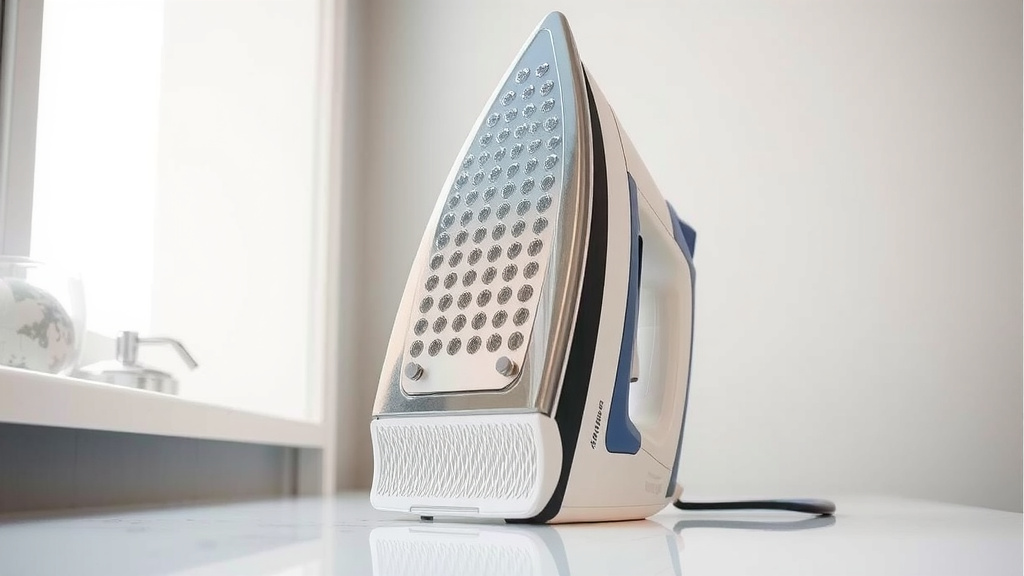
Plug in your iron and let it heat up. Once it’s hot, turn the steam setting to its highest level. Hold the iron horizontally over a sink or that old towel you’ve prepared. Press the steam button repeatedly. You should see steam, and possibly some brown or white flecks, being expelled from the soleplate. This is the limescale exiting your iron!
Continue Steaming Until Clear
Keep pressing the steam button until you no longer see any residue coming out. This might take a few minutes. You’re essentially flushing out the last bits of gunk. You can also gently use a cotton swab to clean around the steam vents on the soleplate as you do this. Be careful not to scratch the surface.
Cleaning the Exterior of Your Iron
While you’re at it, giving the outside of your iron a little polish can make it look like new. This helps remove any accidental drips or dust.
- Wipe down the entire exterior with a damp cloth.
- For tougher spots, use a mild soap and water solution.
- Dry thoroughly with a clean, soft cloth.
Final Check and Storage
Once you’re done, unplug the iron and let it cool completely. Empty the water reservoir one last time. Store your iron upright in a dry place. A clean iron is a happy iron, and it’ll treat your clothes much better!
A Quick Checklist for a Clean Iron
Here’s a handy checklist to ensure you’ve got every step covered:
- Unplugged and cool iron?
- Vinegar/water mix ready?
- Reservoir emptied after cleaning?
- Steamed until no residue appears?
- Exterior wiped down and dry?
- Water reservoir empty for storage?
Conclusion
You’ve now learned how to tackle those stubborn hard water deposits and restore your steam iron to its former glory! We found that a simple vinegar and distilled water solution is highly effective at dissolving mineral buildup. By following the steps to clean the reservoir and then steaming out the residue, you’ll prevent those annoying stains and ensure your iron heats evenly. Your clothes will thank you for it! Make it a habit to use distilled water and empty your iron after each use to keep future buildup at bay.
Frequently Asked Questions
How often should I clean my steam iron for hard water deposits?
We recommend cleaning your steam iron every 1-3 months, depending on how often you use it and the hardness of your tap water. If you notice sputtering or residue on your clothes, it’s time for a cleaning. Consistent cleaning prevents major buildup.
Can I use a different type of vinegar to clean my iron?
While white vinegar is best due to its acidity and lack of added color, you can try apple cider vinegar if that’s all you have. However, be sure to rinse extra thoroughly afterward to avoid any scent transfer to your clothes.
What if my iron has a self-cleaning function?
Many modern irons have a self-cleaning feature, which is fantastic! Always refer to your iron’s manual for specific instructions on using it. For heavily clogged vents, the vinegar method might still be more effective, even with a self-cleaning option.
Is it safe to use tap water in my steam iron?
Using tap water is the primary cause of hard water deposits. While your iron might function initially, the minerals will build up over time, affecting performance and potentially damaging the iron. Using distilled or demineralized water is always the best practice for iron longevity.
My iron still spits out brown gunk after cleaning, what should I do?
If brown residue persists after your cleaning cycle, it might indicate deeply embedded mineral deposits. You may need to repeat the vinegar and steaming process. Ensure you’re thoroughly rinsing the reservoir each time and steaming until no more flecks appear.