Dry Iron vs Steam Iron: A Comprehensive Guide to Understanding the Key Differences
When you’re standing in the appliance aisle, staring at rows of irons, you might find yourself wondering: what’s the real difference between a dry iron and a steam iron? It’s a question that deserves a thoughtful answer, because your choice will directly impact how you spend your time doing laundry every week. Let me walk you through everything you need to know to make an informed decision that fits your lifestyle and needs.
Understanding the Basics: What Are Dry Irons and Steam Irons?
The Simple Definition of a Dry Iron
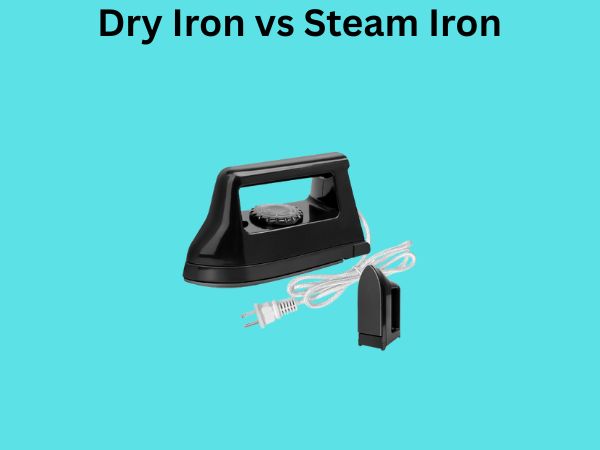
A dry iron is about as straightforward as an appliance gets. Think of it as a heated metal plate that you glide across fabric to smooth out wrinkles. There’s no water reservoir, no steam generation system, and no complicated mechanisms to maintain. You plug it in, it heats up, and you start pressing. The dry iron has been around for over a century, and for many people, it remains the gold standard for basic ironing needs.
The Definition of a Steam Iron
A steam iron, on the other hand, is like the evolved cousin of the dry iron. It includes all the features of a dry iron, but adds a water tank and heating mechanism that converts water into steam. This steam is then released through tiny holes in the soleplate, making it easier to penetrate fabric fibers and release stubborn wrinkles. It’s an upgrade that changes the entire ironing experience, though it comes with additional complexity and maintenance.
How Dry Irons Work: The Mechanics Explained
The Heating Element in Dry Irons
Inside a dry iron, there’s a resistive heating element that warms up when you plug the iron into an electrical outlet. This element heats the soleplate—the flat bottom surface that contacts your clothes—to temperatures typically ranging from 200 to 400 degrees Fahrenheit, depending on the fabric setting you choose. The thermostat monitors the temperature and cuts power when it reaches the desired level, then turns back on when it drops slightly. This creates a steady, consistent heat that’s perfect for smoothing fabrics.
The Soleplate Design
The soleplate is where all the action happens in a dry iron. It’s usually made from stainless steel or aluminum, materials chosen for their excellent heat conductivity. The flat design allows for even pressure distribution across your garments. Unlike steam irons, there are no steam vents puncturing the surface, so you get a continuous, smooth contact area. This design has remained largely unchanged because, frankly, it works exceptionally well.
Temperature Control in Dry Irons
Most dry irons come with a simple dial or lever that lets you select different heat settings. These settings correspond to different fabric types: low heat for delicates, medium heat for synthetics, and high heat for cotton and linen. Because there’s no steam system to manage, the temperature control is typically more reliable and less prone to fluctuations.
How Steam Irons Work: The Advanced Technology
The Water Tank and Heating System
A steam iron contains a water tank, typically holding between 150 to 400 milliliters of water. When you fill this tank and turn on the iron, a separate heating chamber brings the water to a boil, creating steam that builds up pressure. This steam is then channeled through the iron’s internal pathways and released through tiny perforations in the soleplate when you press the steam button. It’s a clever system that requires precise engineering to work safely and effectively.
The Steam Generation Process
Here’s where steam irons get interesting: the steam generation happens in a dedicated heating element, separate from the soleplate heating system. This means your steam iron is actually managing two separate temperature zones simultaneously. The boiler heats water to create steam, while the soleplate maintains its own heat level. This dual-system approach is what gives steam irons their enhanced wrinkle-removal capabilities, but it also adds complexity and potential points of failure.
Pressure and Steam Output
The amount of steam a steam iron produces varies significantly between models. Entry-level steam irons might produce just a trickle of steam, while advanced models can generate impressive bursts of pressurized steam. The pressure helps force steam deep into fabric fibers, breaking down the molecular bonds that create wrinkles. Some premium steam irons even offer adjustable steam settings, allowing you to use less steam for delicate fabrics and more for heavier materials.
Cost Comparison: Initial Purchase Price and Long-Term Value
Dry Iron Pricing
You can find a functional dry iron for as little as fifteen to twenty dollars, and even quality models rarely exceed seventy dollars. This low entry cost is one of the biggest advantages of dry irons. If you’re on a tight budget or just need a basic tool for occasional use, a dry iron is hard to beat financially. Plus, when it eventually breaks down, replacing it won’t hurt your wallet significantly.
Steam Iron Pricing
Steam irons typically range from thirty to over three hundred dollars, depending on brand and features. A decent mid-range steam iron will cost you around fifty to eighty dollars, while premium models from established brands can easily exceed one hundred fifty dollars. The higher price reflects the added technology, build quality, and features like variable steam settings and larger water tanks.
Considering Operating Costs
Beyond the purchase price, you should consider ongoing costs. Steam irons require distilled water to prevent mineral buildup in the boiler—tap water can leave deposits that eventually clog the steam vents. This means buying distilled water regularly, which adds up over time. Dry irons have virtually no operating costs beyond electricity. Some people factor this into their decision-making process, and rightfully so.
Performance on Different Fabric Types
Cotton and Linen: Where Steam Irons Shine
When you’re dealing with heavy, natural fibers like cotton and linen, steam irons demonstrate their superiority. These fabrics hold wrinkles stubbornly, and dry heat alone sometimes requires multiple passes to smooth them out. Steam penetrates the fibers, relaxing them and making wrinkle removal much faster and easier. Heavy cotton dress shirts, linen pants, and bedsheets are all candidates where steam irons excel.
Delicate Fabrics: Where Dry Irons Provide Peace of Mind
Silk, satin, and other delicate fabrics require careful handling. While you can use steam on these materials if you’re cautious, many people prefer the simplicity and control of a dry iron at low temperature. There’s less risk of water spotting or scorching. Dry irons give you more direct control over pressure and heat, which some people find reassuring when working with expensive, delicate garments.
Synthetic Fibers: A Mixed Bag
Polyester, nylon, and other synthetic blends can be ironed with either type, though results vary. Synthetics don’t hold wrinkles as stubbornly as natural fibers, so a dry iron often suffices. However, steam can help with stubborn creases and might actually work faster. The key is using lower temperature settings to avoid melting or damaging the material.
Maintenance and Longevity: What You Need to Know
Dry Iron Maintenance
A dry iron is virtually maintenance-free. Periodically wiping the soleplate with a damp cloth keeps it clean and prevents buildup. That’s honestly about it. Over years of use, the heating element might eventually fail, but many dry irons continue working reliably for a decade or more. This simplicity is one of their greatest strengths.
Steam Iron Maintenance
Steam irons require more attention. You must use distilled water to prevent mineral deposits from clogging the steam vents. Some models include self-cleaning functions that help flush out deposits, but these need to be used regularly. If you neglect this maintenance, your steam iron’s performance will gradually deteriorate. The internal boiler and heating elements are also more prone to malfunction than a dry iron’s simpler design.
Expected Lifespan
A well-maintained dry iron often lasts ten years or more with minimal issues. Steam irons, with proper care, might last five to eight years before requiring repair or replacement. The added complexity means more things can go wrong. However, premium steam iron brands often engineer their products for longer life, so quality matters considerably more with steam irons than with dry irons.
Wrinkle Removal Speed and Efficiency
Time Required with Dry Irons
Depending on the fabric and wrinkle severity, a dry iron might require two or three passes over a garment to achieve smooth results. For light wrinkles, one pass suffices. For heavy wrinkles on cotton or linen, you might need to spend more time. This slower approach suits people who aren’t in a hurry or who only iron occasionally.
Speed Advantage of Steam Irons
Steam irons typically accomplish the same job in one pass, especially for moderately wrinkled garments. The steam accelerates wrinkle relaxation, meaning fewer passes and less total time ironing. If you’re regularly ironing multiple items, particularly professional clothing, this speed advantage compounds into significant time savings over weeks and months.
The Efficiency Factor
Steam irons are more efficient in terms of energy-to-wrinkle-removal ratio. Yes, they use slightly more electricity because they maintain the boiler and generate steam, but they accomplish more per unit of energy expended because you spend less time ironing. For busy people with large quantities of clothes to press, this efficiency advantage justifies the higher cost.
Environmental and Safety Considerations
Electrical Safety
Both dry and steam irons operate at high temperatures and use significant electrical power. Modern irons from reputable manufacturers include safety features like automatic shutoff if left unattended and heat-resistant handles. Steam irons add the consideration of pressurized steam, which could theoretically cause burns if released unexpectedly, though well-designed models include safety mechanisms to prevent this.
Environmental Impact
Dry irons consume less electricity because they maintain only one heating zone. If you’re environmentally conscious and concerned about energy consumption, a dry iron makes the greener choice. Steam irons require distilled water, which often comes in plastic bottles, adding to plastic waste. However, if you use a distilled water dispenser system, you can mitigate this impact significantly.
Sustainability and Longevity
An appliance you keep for ten years is more sustainable than one you replace every five years, even if the newer model is more energy-efficient. In this respect, the dry iron’s greater longevity gives it an environmental advantage. However, if a steam iron’s time-savings means you get more done and reduce your overall laundry sessions, the calculation becomes more complex.
Real-World Scenarios: Which Iron Should You Choose?
Scenario One: The Busy Professional
If you’re a professional who needs perfectly pressed business clothes multiple times per week, a steam iron is almost certainly worth the investment. The time you save and the superior results on dress shirts, pants, and jackets will pay dividends. You’ll appreciate how quickly you can achieve polished results, and you’ll likely justify the cost through convenience alone.
Scenario Two: The Budget-Conscious Parent
Are you a parent with a tight budget who occasionally needs to press school uniforms and casual clothes? A basic dry iron might be perfectly adequate. You can find quality dry irons for twenty to thirty dollars, and they’ll handle most household ironing needs without complaint. You might need an extra minute or two per garment, but the savings are substantial.
Scenario Three: The Delicate Fabric Enthusiast
If most of your wardrobe consists of silk blouses, satin garments, and delicate fabrics, a dry iron on low heat offers more control and peace of mind. While skilled users can steam delicate fabrics successfully, the margin for error is smaller, and many people prefer the directness of dry ironing for these precious items.
Scenario Four: The Occasional Ironer
Some people only iron a handful of times per year—maybe before special events or for particularly wrinkled items. For these infrequent users, a dry iron makes perfect sense. You’ll save money on purchase and maintenance, and the slightly longer ironing time won’t matter when you’re doing it once monthly.
Hybrid Solutions and Advanced Features
Cordless Irons
Both dry and steam irons now come in cordless versions. These irons charge on a base station between uses, giving you freedom to move without a cord. Cordless steam irons are particularly popular because they eliminate the frustration of managing a cord while steaming. The trade-off is that you might need to return the iron to the base occasionally to maintain temperature.
Steam Generator Irons
For the ultimate steam experience, some people invest in steam generator irons. These are separate systems where the iron connects to a large external boiler. They produce tremendous steam pressure and are often used in professional settings. They’re expensive and take up more space, but they offer the best steam ironing results available.
Variable Settings and Smart Features
Modern irons, particularly higher-end steam models, now include variable steam settings, programmable temperature controls, and even smart features that adjust automatically based on fabric type. These features add convenience but also cost. Consider whether these extras align with your needs.
Expert Tips for Getting the Best Results
Proper Preparation Matters
Regardless of which iron you use, preparing your garments properly makes a huge difference. Iron damp clothes or lightly mist clothes with water before ironing. This moisture helps relax fibers and release wrinkles more easily. For delicate items, use a pressing cloth between the iron and garment for protection.
Technique and Pressure
Let the heat and steam do the work rather than pressing down hard. Apply gentle pressure and use smooth, gliding motions. Many people iron too aggressively, which can damage fabrics and actually take longer. Patience and proper technique matter more than pressure.
Storage and Cool-Down
Always allow your iron to cool completely before storing it. Store it on a heat-resistant surface where it won’t accidentally contact other materials. This protects both the iron and your surroundings, and extends the appliance’s lifespan.
Conclusion
The choice between a dry iron and a steam iron ultimately depends on your individual circumstances, needs, and preferences. Dry irons are simple, affordable, durable, and perfect for light ironing tasks or if you’re watching your budget carefully. They require virtually no maintenance and will last for years with