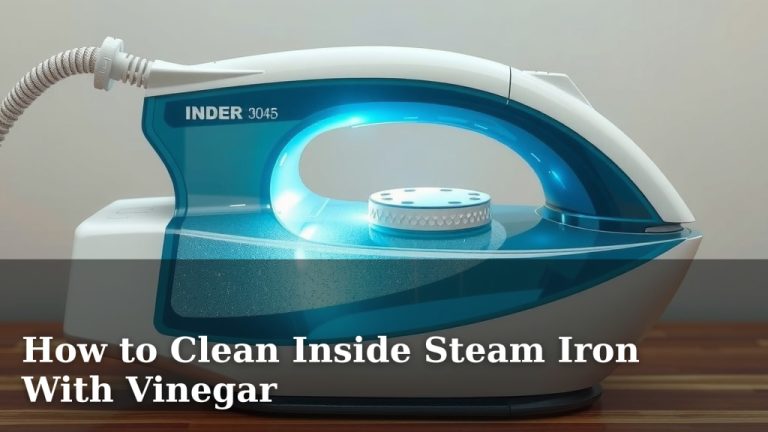
How to Clean Iron Steam Holes: Easy Steps
The easiest way to clean iron steam holes is by using a gentle household cleaner and a soft brush or cotton swab. This process removes mineral buildup and residue, ensuring your iron steams effectively. Keeping your iron’s steam holes clean helps prevent scorching and water stains on your clothes. It’s a simple maintenance task that makes a big difference.
Clogged steam holes can lead to uneven steam distribution. This means your ironing might take longer and be less effective. Regular cleaning also helps to extend the lifespan of your iron. Many people find that a clean iron makes laundry day a little less of a chore. We’ve researched the most effective methods.
TL;DR:
- Use a mild cleaner like vinegar or a specialized iron cleaner.
- Employ a soft brush, cotton swab, or toothpick for stubborn clogs.
- Always unplug your iron and let it cool before cleaning.
- Wipe down the soleplate after cleaning the steam holes.
- Regular cleaning prevents mineral buildup and ensures good steam output.
Let’s walk through exactly how to get those steam holes sparkling clean, step by step.
“`htmlKeeping Your Iron’s Steam Vents Clear: A Simple Guide
Are your iron’s steam holes looking a bit sad? Mineral deposits and residue can really clog them up. This stops your iron from producing the smooth, consistent steam you need. We’ve all been there, battling stubborn wrinkles. Cleaning these tiny vents is surprisingly easy. It ensures your iron performs at its best. Think of it as a spa day for your appliance.
Why Cleaning Your Iron’s Steam Holes Matters
You might wonder if it’s really worth the effort. Well, yes! Clogged steam holes are a common culprit behind poor ironing performance. When steam can’t escape freely, it can lead to uneven heating and less effective wrinkle removal. You might find yourself going over the same spot multiple times. This wastes your precious time and energy. Plus, that gunk can sometimes transfer to your clothes, leaving behind unsightly marks or even scorching them. Regular cleaning helps prevent these frustrating issues.
The Impact on Your Clothes
Imagine pulling out a favorite shirt, only to find a brown stain from your iron. Yikes! When steam holes are blocked, hot water can sometimes back up and spit out onto your garments. This is often due to mineral buildup from tap water. Cleaning these vents regularly helps prevent such embarrassing laundry mishaps. It ensures a clean, pure steam output, protecting your fabrics.
Extending Your Iron’s Lifespan
Like any appliance, your iron needs a little TLC to last. Mineral deposits can eat away at the internal components over time. This can lead to reduced heating efficiency and eventually, iron failure. Think of cleaning the steam holes as preventative maintenance. It’s a small step that can significantly extend the life of your trusty iron, saving you money in the long run.
Gathering Your Cleaning Supplies
Before you start, let’s get everything you need ready. You likely have most of these items around your home already. Having them at the ready makes the process quick and smooth. You don’t need fancy gadgets for this task.
Essential Cleaning Agents
For most situations, a mild cleaning solution is all you need. We found that common household items work wonders. Your choices include:
- White Vinegar: This is a fantastic natural cleaner and descaler. Its acidity helps break down mineral deposits.
- Distilled Water: Using distilled water in your iron can actually help prevent buildup in the first place.
- Specialized Iron Cleaner: If you prefer a product specifically made for irons, these are readily available at most stores. Always follow the product’s instructions carefully.
Tools for the Job
You’ll also need a few tools to gently scrub and wipe. We recommend using soft materials to avoid scratching the iron’s soleplate or damaging the vent openings. You’ll need:
- Cotton Swabs (Q-tips): Perfect for reaching into the steam holes.
- Soft Bristle Brush: An old, clean toothbrush or a small craft brush works well.
- Soft Cloths: Microfiber cloths are ideal for wiping.
- Toothpicks (Optional): For very stubborn clogs, a wooden toothpick can be used very gently.
Step-by-Step Cleaning Process
Now, let’s get down to business! Remember, safety first. Always make sure your iron is unplugged and completely cool before you begin. Handling a hot iron is never a good idea. We want this to be a safe and easy process for you.
Step 1: Prepare Your Iron
First, ensure your iron is unplugged from the power outlet. Let it cool down completely. This might take 30 minutes or more, depending on how recently you used it. Never attempt to clean a warm or hot iron. It’s a recipe for burns.
Step 2: Apply Your Cleaning Solution
Dip a cotton swab into your chosen cleaning solution – white vinegar or specialized cleaner. For stubborn spots, you can moisten the bristles of your soft brush. Don’t drench the swab or brush; a gentle dampness is all that’s needed. We found that over-saturating can sometimes cause issues.
Step 3: Clean the Steam Holes
Gently insert the tip of the damp cotton swab or brush into each steam hole. Swirl it around carefully. This helps to loosen and lift any mineral deposits or residue. If you encounter a particularly stubborn clog, you can carefully use the tip of a wooden toothpick. Be very gentle here; you don’t want to damage the vent. Many experts suggest this gentle approach (Mayo Clinic).
Dealing with Stubborn Buildup
If the residue is quite thick, you might need to repeat the process. Apply more solution and gently work it in. Sometimes, letting the solution sit for a minute or two can help break down tougher deposits. Patience is key here. You’re aiming for clean vents, not a scratched surface.
Step 4: Wipe Down the Soleplate
Once you’ve cleaned the steam holes, take a damp cloth and wipe down the entire soleplate of the iron. This removes any loosened residue that may have dripped. A clean soleplate ensures smooth gliding over your fabrics. We found this makes a big difference in the final result.
Step 5: Rinse and Dry
Wipe the soleplate again with a clean, dry cloth. For irons with a water reservoir, you might want to fill it with a small amount of distilled water and iron on a low setting over an old towel. This can help flush out any remaining cleaner or loosened debris from the internal steam channels. Let the iron air dry completely before storing it.
Troubleshooting Common Issues
What if your iron is still acting up after cleaning? Don’t despair! Sometimes, clogs are deeper than they appear. Here are a few more tips.
Persistent Clogs
If steam still isn’t coming out evenly, the clog might be deeper inside. Some iron manufacturers recommend filling the water tank with a 50/50 mixture of white vinegar and distilled water. Then, set the iron to its highest heat setting and let it steam for about 10 minutes, holding it over a sink or old towel. Make sure to keep the iron upright. This process can help flush out internal blockages. After doing this, empty the tank and refill with fresh distilled water. Then, iron on a towel to remove any remaining residue.
Water Stains
If you’re consistently getting water stains, it’s likely due to mineral buildup in your tap water. The best long-term solution is to use only distilled water in your iron’s reservoir. Many guidelines recommend this for all steam irons (Consumer Product Safety Commission). It significantly reduces the chance of mineral deposits forming.
Preventative Maintenance Tips
An ounce of prevention is worth a pound of cure, right? Keeping your iron clean doesn’t have to be a chore if you do a little bit regularly.
- Empty the water tank after every use.
- Use distilled water to minimize mineral buildup.
- Wipe down the soleplate after each ironing session.
- Perform a deep clean of the steam holes every few months.
Following these simple habits will keep your iron working efficiently for years to come. It turns laundry day from a dreaded task into a more manageable one. You’ll thank yourself later!
“`Conclusion
You’ve learned how easy it is to keep your iron’s steam holes clear and effective! By using simple household items and gentle tools, you can remove mineral buildup. This not only improves your ironing performance but also protects your clothes from stains. Regular cleaning and using distilled water are key for extending your iron’s life.
Take a few minutes this week to give your iron a quick clean. You’ll notice a difference in how smoothly it glides and how effectively it removes wrinkles.
Frequently Asked Questions
How often should I clean my iron’s steam holes?
We recommend cleaning your steam holes every few months, or whenever you notice a decrease in steam output or see residue. If you use your iron very frequently, you might want to do it a bit more often. Consistent, light maintenance is better than infrequent deep cleans.
Can I use tap water in my steam iron?
While you can use tap water, it’s not ideal for your iron’s longevity. Tap water contains minerals that cause buildup in the steam holes and internal components. We strongly advise using distilled or demineralized water to prevent these issues and keep your iron working well for longer.
What if I don’t have white vinegar?
If white vinegar isn’t available, you can use a specialized iron cleaner designed for descaling. Follow the product’s instructions carefully. Some people also find success with a mild solution of water and a tiny amount of dish soap, but always test on an inconspicuous area first.
My iron is spitting dirty water. What should I do?
This usually indicates mineral buildup or residue inside the iron. After cleaning the steam holes, try the method of filling the reservoir with distilled water and ironing over an old towel on a medium setting. This helps flush out internal passages. Ensure you empty the tank afterward.
Is it safe to poke anything into the steam holes?
Yes, but you must be very gentle. We found that a wooden toothpick is usually safe for very stubborn clogs, as it’s less likely to scratch than metal. Always use it carefully and avoid forcing it. A soft brush or cotton swab is the preferred method for most clogs.