Dry Iron vs Steam Iron – Which Is Better for Daily Use?
When you’re standing in front of a pile of wrinkled clothes, the last thing you want is to spend hours wrestling with an iron that doesn’t work the way you need it to. But here’s the thing – not all irons are created equal. You’ve probably noticed that irons fall into two main camps: dry irons and steam irons. So which one actually deserves a spot in your laundry room?
I’m going to walk you through everything you need to know about both types, so you can make an informed decision based on your lifestyle, budget, and ironing needs. Let’s dive in.
Understanding the Basics: What Are Dry Irons and Steam Irons?
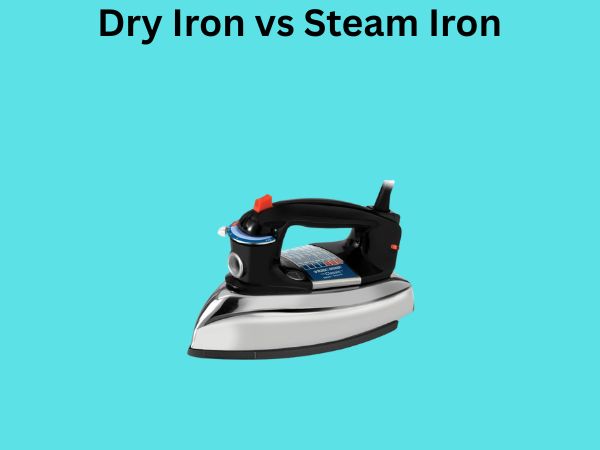
Before we start comparing, let’s establish what we’re actually talking about. A dry iron is the traditional, no-frills approach to garment care. It heats up a metal plate and uses friction and heat to smooth out wrinkles. Think of it as the reliable workhorse that’s been around forever – simple, straightforward, and effective.
A steam iron, on the other hand, takes things a step further. It combines dry heat with pressurized steam that’s released through tiny holes in the soleplate. This steam penetrates the fabric fibers, relaxing them and making wrinkles disappear more quickly and with less effort on your part.
The Core Difference
The fundamental distinction between these two is moisture. Dry irons rely purely on heat and pressure, while steam irons harness the power of steam to do much of the heavy lifting. It’s like comparing a traditional oven to a convection oven – one gets the job done, but the other does it more efficiently.
How Dry Irons Work
Let me break down the mechanics of a dry iron for you. These devices have a heating element that warms up the soleplate – usually made from aluminum or stainless steel – to temperatures ranging from 300 to 400 degrees Fahrenheit. You then glide this hot plate across your fabric, and the combination of heat and downward pressure smooths out creases.
The Simplicity Factor
There’s real beauty in simplicity. Dry irons have fewer moving parts, which means fewer things can go wrong. No water tanks to refill, no steam vents to clean, no complicated settings to navigate. You plug it in, wait for it to heat up, and get to work. It’s the kind of straightforward approach that appeals to people who don’t want to overthink their ironing experience.
Temperature Control in Dry Irons
Most dry irons come with adjustable temperature settings. This is actually important because different fabrics require different heat levels. Delicate fabrics like silk and synthetic blends need lower temperatures, while cotton and linen can handle higher heat. The dial on your dry iron lets you make these adjustments without any complications.
How Steam Irons Work
Steam irons operate on a different principle altogether. They have a built-in water reservoir that heats the water to create steam. When you press a button or lever, this steam shoots out through perforations in the soleplate. The moisture does something remarkable – it temporarily breaks down the hydrogen bonds in fabric fibers, allowing them to relax and accept a new shape without wrinkles.
The Power of Steam
Think about what happens when you hang a steamy garment in a bathroom after a hot shower. The moisture in the air helps release wrinkles naturally, right? Steam irons basically bring that same principle to your ironing board. The steam penetrates deeper into the fabric than dry heat alone can achieve, which means you often need less pressure and fewer passes to get wrinkles out.
Spray and Burst Features
Most modern steam irons include additional features like a spray mist button and a burst of steam function. The spray mist lightly dampens fabric without soaking it, while the steam burst delivers a concentrated shot of steam for stubborn wrinkles. These extras can be surprisingly effective for tackling tough creases that resist normal steaming.
Effectiveness: Which One Actually Works Better?
Here’s where the rubber meets the road. When it comes to pure wrinkle-removal effectiveness, steam irons generally have the upper hand. They work faster, require less elbow grease, and handle most fabrics beautifully. If you’ve got a lot of clothes to iron and you want to minimize effort and time, steam wins this round.
Speed Comparison
Let’s talk about real-world performance. With a dry iron, you might need to make multiple passes over the same area, apply more pressure, and really work at stubborn wrinkles. A steam iron can often knock out the same wrinkle with a single pass and a button press. If you’re ironing a whole week’s worth of clothes, that time difference adds up quickly.
Fabric Compatibility
Here’s something interesting – steam irons are actually gentler on many fabrics than dry irons. Because steam does much of the work, you don’t need to apply as much pressure or heat. This makes steam irons better suited for delicate materials like silk, chiffon, and linen. Dry irons can work on these fabrics, but you need to be more careful and intentional with your technique.
Cost Considerations: Budget vs. Investment
Let’s be honest – budget matters. If you’re looking for the cheapest option, a basic dry iron will win every single time. You can find quality dry irons for under fifty dollars. Steam irons start at around sixty to eighty dollars for entry-level models and climb higher from there.
Initial Purchase Price
For someone on a tight budget, a dry iron makes sense. It’s affordable, reliable, and gets the job done. But before you make your decision based solely on upfront cost, consider the bigger picture. What you save in purchase price might get eaten up in other ways.
Operating Costs
Steam irons require water, which isn’t expensive, but there’s a cost to constantly refilling that reservoir. More importantly, if you live in an area with hard water, mineral deposits can clog your steam vents over time. You might need descaling solutions or eventually have to replace your iron. Dry irons don’t have this issue at all – you buy it, use it, and it keeps working year after year with virtually no maintenance.
Maintenance Requirements
This is one area where dry irons shine. They’re virtually maintenance-free. Wipe the soleplate occasionally to remove any residue, and you’re done. No descaling needed, no water filters to replace, no steam vents to unclog.
Caring for Your Steam Iron
Steam irons demand more attention. Depending on your water quality, you should descale regularly – typically every few weeks to a few months. Some steam irons have self-cleaning features that help, but you’ll still need to perform manual descaling periodically. If you use tap water, mineral buildup happens faster. Many people recommend using distilled water, which adds to operating costs.
Longevity
Because of their simplicity, quality dry irons can last for years with minimal care. Steam irons can last a long time too, but only if you maintain them properly. Neglect the descaling, and you’ll shorten its lifespan significantly. This is worth factoring into your decision.
Portability and Storage
If space is at a premium in your home, dry irons have another advantage. They’re typically smaller and lighter than steam irons because they don’t have water reservoirs. They also take up less counter space and store away more easily. Steam irons are bulkier, and you need to empty the water reservoir before storage to prevent mineral deposits and mold growth.
Travel Considerations
For people who travel frequently, dry irons are often the better choice. They’re compact, don’t require water management, and work anywhere. Steam irons are possible to travel with, but you have to deal with water issues and the extra bulk.
Safety Features and Considerations
Both types of irons get hot and require respect, but steam irons present an additional consideration – steam burns. These can be more severe than dry heat burns because steam transfers heat more efficiently to skin. That said, modern steam irons include safety features like auto-shutoff when not in use and cool-touch handles.
Risk Assessment
If you have young children or pets, you might prefer a dry iron simply because it reduces the risk of steam-related injuries. Both types should be stored safely and used carefully, but the steam factor adds a layer of complexity worth considering if safety is your top concern.
Best Use Cases for Dry Irons
So when should you choose a dry iron? There are definitely scenarios where they’re the superior choice.
Ideal Situations for Dry Irons
- You have a limited budget and need an affordable iron
- You live in an area with very hard water
- You iron infrequently – maybe just a few items occasionally
- You travel frequently and need maximum portability
- You have a small home with limited storage space
- You prefer minimal maintenance and don’t want to descale regularly
- You’re ironing primarily sturdy fabrics like cotton and linen
If most of these points resonate with you, a dry iron might be exactly what you need. There’s no shame in choosing simplicity over features you won’t actually use.
Best Use Cases for Steam Irons
Similarly, steam irons excel in certain situations where their benefits truly shine.
Ideal Situations for Steam Irons
- You iron regularly and have a significant volume of clothes
- You want to minimize ironing time and effort
- You wear or own delicate fabrics frequently
- You have soft water and don’t mind occasional descaling
- You appreciate having extra features like spray mist and steam burst
- You want the most effective wrinkle removal possible
- You have counter space and don’t mind slightly more storage requirements
If you’re nodding along to several of these points, a steam iron is probably the better investment for your household.
The Hybrid Approach: Steamers vs. Irons
Here’s something to consider – you don’t have to choose just one iron for your entire life. Some people actually use both. A dry iron handles everyday tasks quickly, while a garment steamer manages delicate items and touch-ups. It’s not either-or; it can be both. This approach gives you maximum flexibility without the burden of choosing between two inadequate options.
Combining Methods
Think about your wardrobe and ironing patterns. If you mostly wear casual cotton clothes but occasionally wear delicate blouses or dress items, maybe a dry iron for daily use and a handheld steamer for delicates makes sense. Some people even keep both a dry iron and a steam iron for different purposes.
Environmental Impact
Let’s touch on something often overlooked – the environmental footprint of your ironing choice. Dry irons use electricity, but they’re straightforward and long-lasting. Steam irons also use electricity, plus water, and they often don’t last as long due to mineral buildup issues. If environmental impact matters to you, the longevity and simplicity of dry irons might align better with your values.
Making Your Final Decision
So how do you actually choose? Start by answering these questions honestly:
- How often do you iron clothes?
- What fabrics do you typically wear?
- What’s your budget?
- How much maintenance are you willing to do?
- How much storage space do you have?
- How important is speed and convenience to you?
Your answers to these questions will guide you toward the right choice. There’s no objectively perfect iron for everyone – only the perfect iron for your specific situation.
Conclusion
The great dry iron versus steam iron debate doesn’t have a one-size-fits-all answer, and that’s actually okay. Dry irons are affordable, simple, durable, and maintenance-free – perfect for budget-conscious people or those who iron occasionally. Steam irons are faster, more effective on most fabrics, and ideal for people who iron frequently and want to minimize effort.
The best iron for daily use is ultimately the one that matches your lifestyle, budget, and ironing habits. If you’re pressed for time and have a large wardrobe, a steam iron’s efficiency will make your life easier. If you’re watching your budget and prefer simplicity, a dry iron will serve you faithfully for years. And if you want the absolute best of both worlds, there’s nothing wrong with having both options available.
Take your time making this decision. Think about how ironing fits into your life and what you actually need from an iron. Then choose accordingly. Your future self – the one standing at the ironing board – will thank you for making a thoughtful choice rather than a hasty one.
Frequently Asked Questions
Can I use a dry iron on all types of fabric?
Dry irons can technically be used on most fabrics, but you need to be careful with delicate materials. Fabrics like silk, satin, and synthetic blends can be damaged by high heat and direct pressure if you’re not cautious. Always use the lowest appropriate temperature setting for delicate fabrics, and consider using a pressing cloth between the iron and the garment as an extra precaution. Cotton and linen are the easiest fabrics to handle with a dry iron.
Do steam irons require distilled water?
While you can use tap water in most steam irons, distilled water is often recommended to minimize mineral buildup and extend the iron’s lifespan. If you live in an area with hard water, using distilled water can significantly reduce the need for frequent descaling. Some premium steam irons have better mineral filtering systems that can handle tap water more effectively, so check your specific iron’s manufacturer recommendations before making a decision.
How long does a typical dry iron last?
A quality dry iron can last five to ten years or longer with proper care and occasional use. Some people report their dry irons lasting fifteen years or more. Because there are fewer components that can fail, dry irons tend to have impressive longevity. The main thing that typically wears out is the cord or soleplate damage from accidents, not internal mechanical failure.
Is steam ironing safe for delicate fabrics like silk?
Yes, steam ironing is actually safer for delicate fabrics than dry ironing in many cases. Because steam does the work instead of friction and pressure, you can hold the iron slightly above the fabric surface without making direct contact. This means you get the wrinkle-removal benefits with minimal risk of damage. Just avoid high heat settings and never leave the iron sitting on delicate fabrics without moving it.
What’s the average price difference between dry and steam irons?
Entry-level dry irons typically cost between thirty and fifty dollars, while basic steam irons usually start around sixty to eighty dollars. Mid-range options see dry irons at fifty to one hundred dollars and steam irons at eighty to two hundred dollars. Premium models of either type can exceed three hundred dollars. Beyond the initial purchase price, consider the ongoing cost of distilled water and potential descaling solutions if you choose steam, which adds to the total cost of ownership over time.
“`