Hand Steamer vs Iron: Which Removes Wrinkles Better?
When you’re standing in front of your closet on a Monday morning with a wrinkled shirt staring back at you, you face a timeless dilemma. Do you reach for the trusty iron your grandmother used, or do you grab that modern hand steamer everyone’s been talking about? It’s not just about what works—it’s about what works best for your lifestyle, your fabrics, and your precious time.
Let me be honest with you: this isn’t a simple either-or situation. Both tools have earned their place in households around the world, and both have their own superpowers. The real question isn’t which one is objectively superior, but rather which one deserves a spot in your home based on your specific needs.
Understanding the Basics: How These Tools Actually Work
What Exactly Does a Hand Steamer Do?
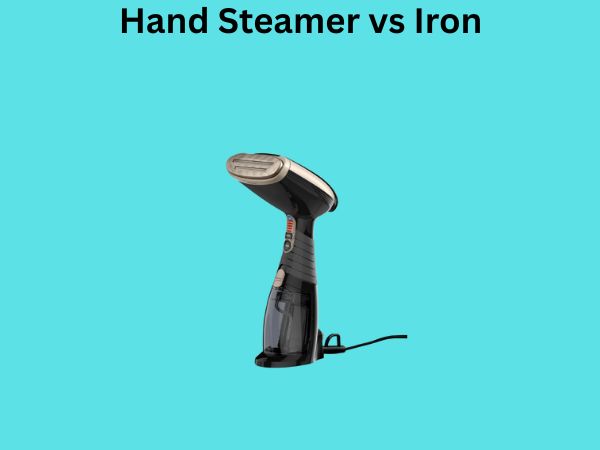
A hand steamer is essentially a miniature steam generator that you hold in your hand. Think of it like a tiny personal cloud-making machine. You fill it with water, it heats up, and then it releases pressurized steam through a nozzle. This steam penetrates the fabric fibers and relaxes them, allowing wrinkles to simply fall away without any direct heat or pressure contact with your clothing.
The beauty of this approach is that the steam does the heavy lifting. You’re not crushing your delicate silk blouse with a hot plate—you’re gently coaxing those wrinkles out with moisture and heat. It’s like giving your clothes a spa treatment rather than a wrestling match.
How Does a Traditional Iron Work?
An iron, on the other hand, uses direct heat and pressure. You fill the reservoir with water (if it’s a steam iron), heat up the metal plate to temperatures that can reach 350 to 400 degrees Fahrenheit, and then press it firmly against your fabric. The combination of heat, moisture, and mechanical pressure flattens those wrinkles right out.
Irons have been around for over a century, and they’ve proven their effectiveness time and time again. There’s a reason your grandparents swore by them—they simply work, and they work fast.
The Wrinkle-Removal Showdown: Performance Comparison
Speed and Efficiency: Which One Gets You Out the Door Faster?
If you’re chronically late and you’re judging purely on speed, the iron often takes the crown. A traditional iron can flatten a dress shirt in about three to five minutes. Your hand steamer? It might take you seven to ten minutes for the same garment because you’re working in smaller sections and hovering rather than pressing.
But here’s the catch—your iron needs time to heat up first. If you’re starting from cold, you could be waiting anywhere from two to five minutes before it’s ready to go. Many hand steamers, particularly the handheld portable models, heat up in as little as 30 seconds to two minutes. So while the steamer takes longer per garment, the total time savings might actually favor the steamer if you’re only dealing with one or two items.
Real-World Scenario
Imagine you have fifteen minutes before leaving for work. You’ve got one blouse that needs attention. With an iron, you’re waiting three minutes for it to heat, then three minutes to press. With a steamer, you’re waiting ninety seconds to heat, then maybe five minutes of steaming. The steamer wins. But if you have seven items? The iron’s consistent speed and direct pressure suddenly become your best friend.
Wrinkle-Removal Depth: Does One Work Better Than the Other?
Here’s something that surprises most people: irons are genuinely better at removing stubborn, set-in wrinkles. If you’ve left your linen pants in the dryer for three days and they’ve developed creases that look permanently etched, an iron will tackle those deep wrinkles faster and more thoroughly than a steamer ever could.
That said, hand steamers are absolutely fantastic at handling everyday wrinkles—the kind you get from normal wear and packing a suitcase. They’re also superior at refreshing garments between washes. For 80 percent of the wrinkles you’ll encounter in normal life, a steamer handles them beautifully.
Fabric Safety: Which Tool Is Gentler on Your Clothes?
The Delicate Fabric Advantage: Steamers Take the Lead
This is where steamers genuinely shine. If you own silk blouses, delicate lace, vintage clothing, or anything embellished with beads or sequins, a hand steamer is your safest bet. Because the steam doesn’t make direct contact with the fabric—it’s just hovering above—there’s virtually no risk of shine, scorching, or those distinctive iron marks.
Try using an iron on a silk pillowcase without a pressing cloth, and you’re flirting with disaster. The high heat and direct pressure can permanently damage delicate fibers, leaving you with a shiny, flattened mess instead of beautiful fabric.
When Irons Show Their Limitations
Irons require more caution, especially with temperature-sensitive fabrics. You need to use lower heat settings, you need pressing cloths for certain materials, and you need to know your fabric types. Make a mistake, and you could permanently damage a beloved garment in seconds.
That said, experienced users can work with irons safely on nearly any fabric. It’s just one more skill you need to develop and one more thing to remember when you’re in a hurry.
Versatility and Additional Features to Consider
Beyond Just Clothes: What Can You Actually Use These On?
Hand steamers are incredibly versatile. Beyond clothing, you can use them on:
- Curtains and drapes while they’re hanging
- Upholstered furniture and couches
- Bedding and linens in place
- Delicate accessories like scarves and ties
- Even some tapestries and wall hangings
This is huge if you have large items you’d never dream of hauling out an ironing board for. Steaming your curtains while they’re still up? That’s efficiency that irons simply cannot match.
Iron Versatility: It’s More Limited, But Still Useful
Irons are primarily designed for clothing and flat surfaces. You can use them on smaller items, and some people use irons for specialized tasks like sealing hems or creating crisp pleats. But you’re pretty much locked into flat surfaces that fit on an ironing board.
Cost Considerations: What’s Your Budget?
Initial Investment Comparison
Hand steamers range from about $30 for basic portable models to $200 for higher-end garment steamers. Most decent hand steamers sit somewhere in the $50 to $100 range.
Traditional irons? They’re similarly priced. You can grab a basic iron for $20 to $30, mid-range steam irons for $60 to $150, and premium models exceeding $300. An ironing board adds another $15 to $50 to your setup cost.
Long-Term Maintenance and Replacement Costs
Here’s where things get interesting. Both tools require maintenance. Irons need regular descaling to prevent mineral buildup from hard water. Hand steamers also need descaling. However, irons have heating elements that can fail after years of use, while steamers tend to have longer lifespans if properly maintained.
Neither option is significantly more expensive to maintain than the other, but irons might require more frequent descaling depending on your water hardness.
Portability: Taking Your Wrinkle Solution on the Road
Hand Steamers: The Travel Champion
If you travel frequently, a hand steamer is an absolute game-changer. Portable steamers are compact, lightweight, and perfect for tossing into a carry-on. They’re TSA-compliant when empty, and many models heat up fast enough that you can freshen up your clothes within minutes of arriving at your hotel.
I’ve traveled with a compact hand steamer, and it’s genuinely freed me from the stress of wrinkled clothing during business trips. The peace of mind alone is worth the small space it takes in your luggage.
Irons: Heavy, Cumbersome, and Often Impractical
Travel-sized irons exist, but they’re typically underpowered and frustrating. Packing a full-sized iron in luggage defeats the purpose of traveling light. Most hotels provide irons anyway, so unless you have specific preferences or mobility concerns that make using a hotel iron difficult, you probably don’t need to bring your own.
Special Situations: When One Tool Clearly Wins
Heavy Linen and Cotton Garments: Irons Dominate
If your wardrobe is heavy on cotton dress shirts, linen pants, and structured fabrics, an iron is your best friend. These materials respond beautifully to the direct heat and pressure of an iron, and the results are crisp and professional-looking. A steamer can work on these fabrics, but it’ll take longer and the results won’t be quite as polished.
Knits, Stretch Fabrics, and Delicate Materials: Steamers Win Decisively
Athletic wear, stretch fabrics, and delicate knits can be damaged by iron pressure. A steamer allows you to refresh these items without risk. Modern wardrobes include more of these materials than ever before, which is one reason steamers have gained so much popularity in recent years.
Couches, Curtains, and Large Upholstered Items: Steamers Are Your Only Realistic Option
Unless you have an industrial-sized ironing board (and your sanity), you’re using a steamer for these projects. Period.
Environmental and Health Considerations
Water Usage and Waste
Both steamers and irons use water, but irons can be more wasteful if they’re left sitting on for extended periods. A steamer generates steam on demand, so there’s less waste from the device itself. However, the water you use to fill either device is minimal compared to most household uses.
Electricity Consumption
Irons typically consume more electricity because they’re heating a large metal plate and maintaining that temperature. Hand steamers use less power overall, especially if you’re only steaming a few items. This could save you a small amount on your electricity bill, though we’re talking about a marginal difference.
The Learning Curve: Which Is Easier to Master?
Hand Steamers Are Straightforward
Fill with water, press the button, and move it over your clothes. There’s barely a learning curve. Even kids can figure out how to use a hand steamer safely, and the risk of accidentally burning yourself is substantially lower.
Irons Require More Skill and Attention
Using an iron properly requires knowing your fabric types, adjusting heat settings appropriately, understanding how to use pressing cloths, and developing the muscle memory for smooth, even strokes. It’s not rocket science, but it does take practice to get really good results without damaging your clothes.
For someone who irons regularly, this becomes second nature. For someone who irons once every few months? You might experience some frustration.
Real-Life Scenarios: What Should You Actually Buy?
Scenario One: The Business Professional
If you wear dress shirts, dress pants, and structured blazers to work every single day, an iron is probably your best investment. The speed and the ability to create crisp, professional results make it worth the space on your ironing board.
Scenario Two: The Casual Dresser
Jeans, t-shirts, and casual wear? A hand steamer is probably all you need. Most casual fabrics won’t show wrinkles as dramatically, and when they do, a quick steaming is perfect.
Scenario Three: The Traveler
Get a portable hand steamer. The ability to refresh clothes on the road is invaluable, and it takes up minimal space.
Scenario Four: The Mixed Wardrobe Owner
Here’s my honest take: if you have a diverse wardrobe with both delicate and structured items, get both. They’re not mutually exclusive. A hand steamer for everyday quick fixes and delicate items, combined with an iron for dress shirts and structured fabrics, gives you the best of both worlds.
Making Your Final Decision: A Practical Checklist
Before you purchase, ask yourself these questions:
- How much do I iron on a typical week?
- What types of fabrics dominate my wardrobe?
- Do I need something portable?
- Do I have space for an ironing board?
- Do I value speed or fabric safety more?
- Will I be steaming large items like curtains?
- What’s my realistic budget?
Your answers to these questions will guide you toward the right choice for your specific situation.
Conclusion
So which removes wrinkles better—a hand steamer or an iron? The answer, frustratingly enough, is “it depends.” An iron removes wrinkles faster and more thoroughly on structured, heavy fabrics like cotton and linen. A hand steamer is gentler on delicate fabrics, faster to heat up, more versatile for non-clothing items, and infinitely better for travel.
Neither tool is objectively superior—they’re just different tools designed for different purposes. The best choice depends on your wardrobe composition, your lifestyle, your available space, and your personal preferences. If you’re someone who wears mostly structured professional clothing, an iron will likely serve you better. If you have a diverse wardrobe with delicate items, or if you travel frequently, a hand steamer might be your MVP.
My personal recommendation? If you can only choose one and you have a mixed wardrobe, go with a hand steamer. It’s safer, more versatile, faster to heat, and honestly, it handles 90 percent of real-world wrinkles beautifully. But if you wear dress shirts and dress pants regularly, an iron is genuinely worth the investment and the space it requires.
The perfect wrinkle solution isn’t about choosing between two tools—it’s about choosing the tool that fits your life. And only you can determine what that is.
Frequently Asked Questions
Can a hand steamer replace an iron completely?
For most people and most situations, yes. Hand steamers can handle the vast majority of wrinkles you’ll encounter on everyday clothing. However, if you frequently wear heavily wrinkled linen or cotton dress clothes that need crisp, professional results, you’ll likely find that a steamer doesn’t quite deliver the same polished appearance that an iron can achieve. The best answer depends on your wardrobe and expectations.
Is it safe to use a hand steamer on delicate fabrics like silk?
Absolutely, and this is one of steamers’ greatest advantages. Silk and other delicate fabrics respond beautifully to steaming because there’s no direct pressure or extreme heat contact with the fabric itself. Just keep the steamer a few inches away from the fabric and work