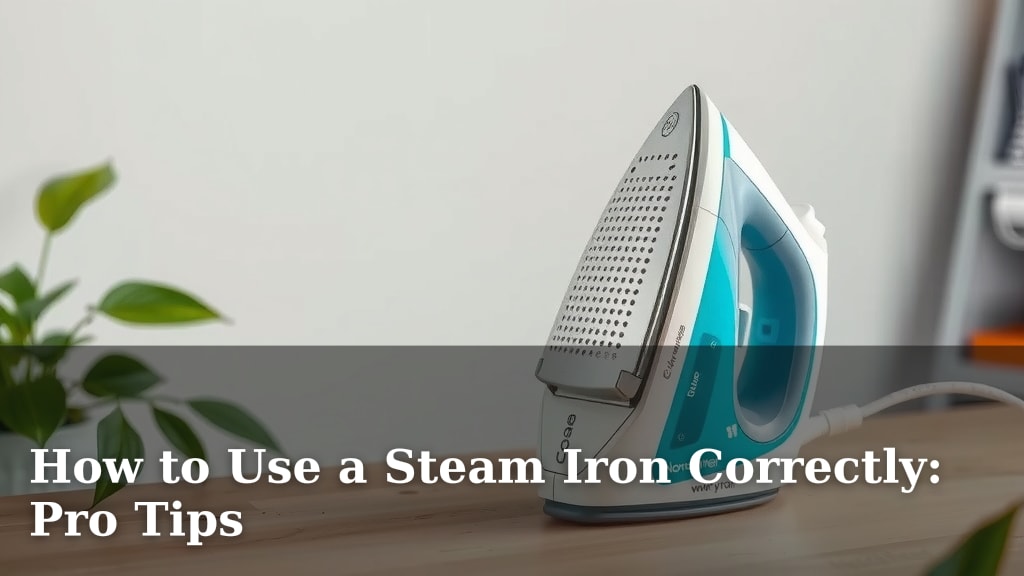
How to Use a Steam Iron Correctly: Pro Tips
Using a steam iron correctly is simple once you know a few tricks. The best way to start is by setting your iron to the right fabric temperature and always using distilled water. This prevents mineral buildup and ensures your iron works efficiently for crisper results on your clothes.
A properly used steam iron can transform your laundry routine. Beyond just smoothing wrinkles, it can help remove stubborn creases and refresh fabrics. Many experts say that proper technique is key to extending the life of your garments and your iron, saving you time and money.
TL;DR:
- Always check fabric care labels.
- Use the correct heat setting.
- Distilled water is best for steam irons.
- Iron in sections, moving consistently.
- Clean your iron regularly.
Ready to master your steam iron? Let’s walk through the best practices step by step to get your clothes looking their absolute best.
Mastering Your Steam Iron: Pro-Level Tips for Crisp Clothes
Learning to use your steam iron effectively goes beyond just pressing out wrinkles. We found that with a few simple techniques, you can achieve professional-looking results at home. This guide will walk you through everything you need to know for perfectly pressed garments.
Setting Up Your Steam Iron for Success
Before you even think about touching fabric, proper setup is key. This ensures your iron performs at its best and protects your clothes.
Choosing the Right Water
You might wonder what kind of water is best. Many experts recommend using distilled water in your steam iron. Tap water contains minerals that can build up over time. This buildup can clog the steam vents. It can also lead to unsightly mineral deposits on your clothes.
Using distilled water helps keep your iron functioning smoothly. It also prevents damage to delicate fabrics. Always check your iron’s manual for specific water recommendations.
Understanding Heat Settings and Fabric Labels
This is perhaps the most critical step. Different fabrics require different temperatures. Overheating can scorch or melt synthetic materials. Too little heat won’t tackle stubborn wrinkles on natural fibers.
Always start by checking the care label on your garment. These labels provide vital information about the recommended ironing temperature. Look for symbols indicating heat levels.
Many irons have settings like “Linen,” “Cotton,” “Wool,” “Silk,” and “Synthetics.” If you’re unsure, start with the lowest setting. You can always increase the heat if needed. It’s much harder to fix heat damage than it is to simply re-iron a garment.
Preheating Your Iron
Give your iron enough time to reach the selected temperature. This usually takes a few minutes. A properly preheated iron delivers consistent heat. This means fewer passes over each section of fabric. We found that impatience here can lead to uneven results.
The Art of Steam Ironing: Technique Matters
Once your iron is ready, it’s time to put it to work. The way you move the iron is as important as the heat setting.
Ironing in Sections
Don’t just move the iron randomly. Work on one section of the garment at a time. Start with smaller areas like collars and cuffs. Then move to larger sections like sleeves and the main body of the shirt or pants.
This systematic approach ensures you don’t miss any spots. It also prevents new wrinkles from forming as you iron. You’ll find your clothes look much crisper this way.
Smooth, Consistent Strokes
Apply gentle, even pressure as you move the iron. Avoid holding the iron in one place for too long. This can cause scorching, especially on delicate fabrics. Move the iron in smooth, continuous strokes. Glide it across the fabric.
Some people prefer to iron vertically, especially for garments that are hard to lay flat. Others find a gentle back-and-forth motion works best. Experiment to find what feels natural and effective for you.
Using Steam Effectively
Steam is your best friend for tackling wrinkles. It helps to relax fabric fibers, making them easier to press smooth. Most steam irons have a steam button or a dial to control steam output.
For most fabrics, a moderate amount of steam is sufficient. For stubborn wrinkles on durable fabrics like cotton or linen, you might need a burst of steam. Some irons have a “burst of steam” feature for these tough spots. Remember to allow the fabric to dry slightly after steaming before moving on.
Ironing Different Fabric Types
Some fabrics require special care. For example, silk and synthetics can be easily damaged. It’s often recommended to iron these on the reverse side. This helps prevent shine marks. Use a low to medium heat setting.
For knits, you might want to avoid stretching the fabric. Ironing with a light touch and no steam can help maintain the shape. Always research specific fabric care if you’re unsure. Many guidelines point to gentle handling as key for these materials (Good Housekeeping Institute).
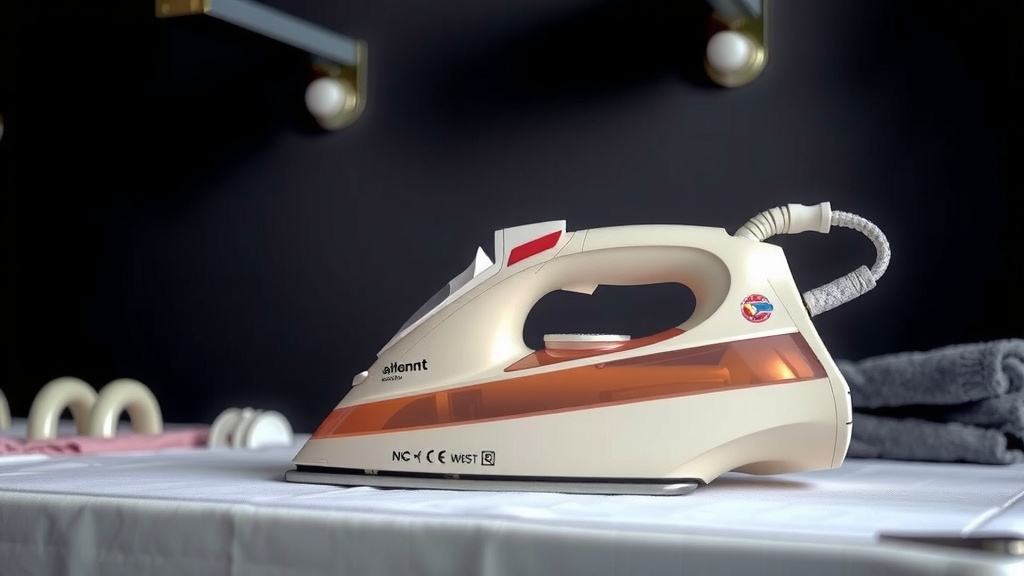
Maintaining Your Steam Iron for Longevity
Just like any appliance, your steam iron needs regular care. Proper maintenance ensures it works efficiently for years to come.
Regular Cleaning is Essential
Mineral deposits aren’t the only thing that can affect your iron. Sometimes, fabric residue or sizing can build up on the soleplate. This can transfer to your clothes, leaving marks. Clean the soleplate regularly with a soft cloth. Some manufacturers recommend a damp cloth.
If you notice stubborn residue, try a specialized iron cleaner. Always ensure the iron is unplugged and completely cool before cleaning. Check your manual for specific cleaning instructions for your model. We found that a clean soleplate makes a huge difference in ironing performance.
Emptying After Each Use
Don’t leave water sitting in the iron’s reservoir. After you’re finished ironing and the iron has cooled down, empty any remaining water. This prevents potential leaks and buildup within the iron. It also makes the iron lighter and easier to store.
Quick Checklist for Perfect Ironing
Here’s a quick recap to help you achieve flawless results:
- Check garment care labels before ironing.
- Use distilled water for your steam iron.
- Select the correct heat setting for the fabric.
- Preheat your iron fully before starting.
- Iron in consistent, smooth strokes, section by section.
- Clean your iron’s soleplate regularly.
Conclusion
You’ve now learned the secrets to using your steam iron like a pro. By focusing on distilled water, the right heat settings, and consistent technique, you can achieve beautifully pressed clothes every time. Remember to work in sections and use smooth strokes. Regular cleaning and emptying your iron after use will keep it in top condition. Now, go ahead and transform your laundry routine. Your garments will thank you for it!
Frequently Asked Questions
How often should I clean my steam iron’s soleplate?
We recommend cleaning your steam iron’s soleplate at least once a month, or more often if you iron frequently. Fabric residue can build up quickly. A quick wipe with a damp cloth after each use can also help. Always ensure the iron is cool and unplugged.
Can I use tap water if I don’t have distilled water?
While you can use tap water in a pinch, it’s not ideal for your steam iron. Tap water contains minerals that can lead to clogs and unsightly deposits. If you must use tap water, consider using a demineralized or filtered variety. Distilled water remains the best choice for optimal performance and longevity.
What is the best way to remove stubborn wrinkles?
For stubborn wrinkles, use the steam function effectively. For durable fabrics like cotton or linen, try a burst of steam. Hold the iron slightly above the fabric for a moment before pressing. You can also try ironing the fabric slightly damp. This often helps relax fibers more easily.
My iron is spitting out brown water. What’s wrong?
Brown water usually indicates mineral buildup inside your iron. This is why using distilled water is so important. You’ll need to clean the inside of your iron. Most manuals offer a self-cleaning cycle or descaling instructions. Follow those steps carefully to clear the internal passages.
Can I iron clothes that are still a little damp?
Yes, ironing clothes that are slightly damp can be very effective, especially for natural fibers like cotton and linen. The moisture helps the heat and steam to relax the fabric more easily, leading to smoother results. Just ensure you don’t over-saturate the fabric, as this can cause issues.