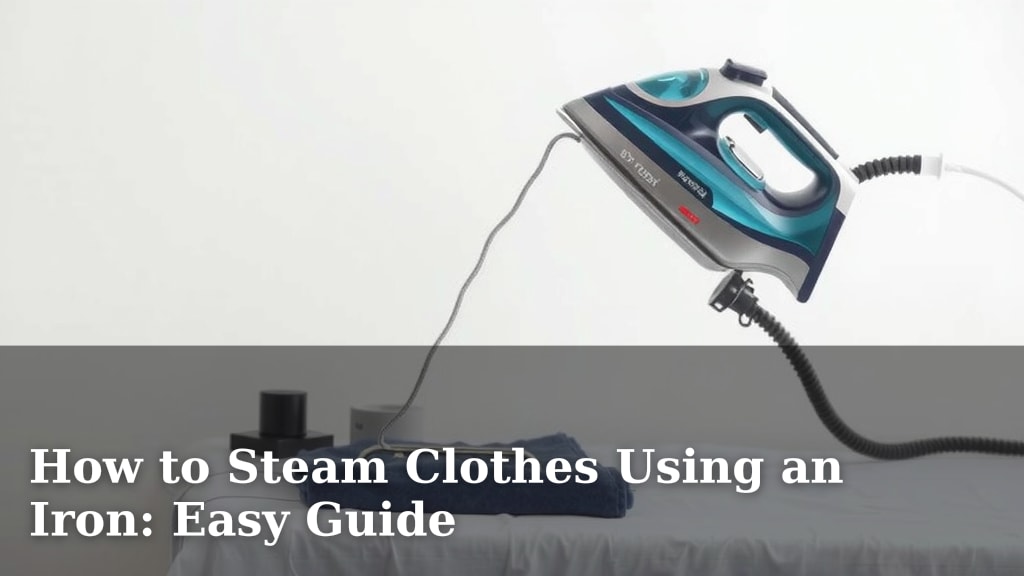
How to Steam Clothes Using an Iron: Easy Guide
Yes, you absolutely can steam clothes using an iron! It’s a surprisingly effective way to remove wrinkles when you don’t have a dedicated steamer. You just need to use the right settings and a little bit of caution to get that crisp, smooth look.
Many people think steaming is only for fabric steamers, but your trusty iron can work wonders. It’s a fantastic method for refreshing garments and tackling those annoying creases. You’ll find this technique is a real lifesaver for fabrics that don’t like direct, high heat.
- Use your iron’s steam setting.
- Hang the garment to create tension.
- Hold the iron slightly away from the fabric.
- Be mindful of delicate materials.
Ready to give it a try? Let’s walk through exactly how to steam your clothes with an iron, step by step.
“`htmlSteaming Clothes with Your Iron: A Practical Guide
You might be surprised to learn that your trusty iron can be your secret weapon against wrinkles. It’s a fantastic way to get that **freshly pressed look** without a dedicated steamer. This method is perfect for when you’re in a pinch. You can easily revive garments and smooth out creases. It’s especially helpful for fabrics that can’t handle high heat directly.
Understanding Your Iron’s Steam Function
Most modern irons come equipped with a steam function. This is what makes steaming clothes possible with an iron. The iron heats water to create steam. This steam then penetrates the fabric fibers. It relaxes the wrinkles. You’ll want to make sure your iron has this capability. Most irons will have a dial or buttons for steam settings.
Setting Up Your Iron for Steaming
First, ensure your iron has a water reservoir. You’ll need to fill this with distilled or demineralized water. Tap water can sometimes cause mineral buildup inside your iron. This can lead to brown spots or steam issues over time. Check your iron’s manual for the recommended water type. Then, plug in your iron and let it heat up fully.
Choosing the Right Steam Setting
Once your iron is heated, select the appropriate steam setting. You’ll usually find settings ranging from no steam to a high steam output. For steaming clothes without direct contact, a medium to high steam setting is generally best. This provides enough moisture to relax wrinkles effectively. Avoid using steam on very delicate fabrics unless the garment care label specifically allows it.
Prepping Your Garment for Steaming
This is a critical step for success. You need to hang the garment you want to steam. Use a sturdy hanger. This allows gravity to help. As the steam relaxes the fabric, the weight of the garment will pull it smooth. You can hang it on a doorknob, a shower rod, or a clothing rack. Make sure it’s hanging freely. You don’t want it bunched up.
The Gentle Art of Iron Steaming
Now for the actual steaming process. You’ll hold the iron a few inches away from the fabric. It’s important not to touch the garment directly with the hot soleplate. Think of it like a mini, handheld steam bath for your clothes. The steam rising from the iron will do the work.
Holding the Iron Correctly
Keep the iron’s soleplate facing the garment but not touching it. A distance of about 2-3 inches is usually perfect. You want the steam to flow onto the fabric. If you touch the fabric directly, you risk scorching or creating a different kind of crease. This is where the “steaming” part comes in, not the “ironing” part.
Steaming Technique for Best Results
Move the iron slowly over the wrinkled areas. Hold it steady for a few seconds in particularly creased spots. You should see the wrinkles start to fall away. Work your way down the garment. Don’t rush this process. Patience will yield much smoother results. You might need to pass over an area a couple of times.
Working with Different Fabric Types
Different fabrics react differently to steam. Natural fibers like cotton and linen respond very well. They tend to relax and smooth out quickly. Synthetic fabrics like polyester might require a bit more patience. They can sometimes hold onto wrinkles more stubbornly. Always check the garment’s care label first.
When to Be Extra Cautious
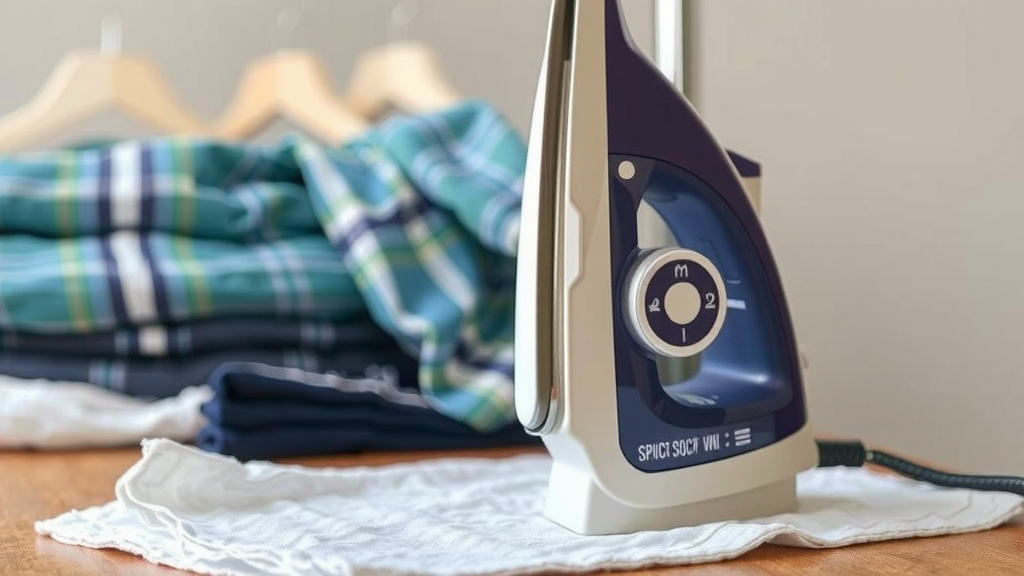
Delicate materials like silk, rayon, or sheer fabrics need extra care. For these, use the lowest steam setting or even no steam at all. Hold the iron even further away, perhaps 4-6 inches. Some materials can be damaged by too much moisture or heat. If you’re unsure, test the steam on an inconspicuous area first. This could be an inside seam or hemline. Many experts advise against steaming heavily embellished items.
Troubleshooting and Tips for Success
Even with the best intentions, you might encounter minor issues. Here are some common questions and solutions.
- Water Dripping: If water is dripping from your iron, it might not be hot enough. Let it heat up fully. Ensure the iron is in an upright position when not actively steaming.
- No Steam: Check the water level. Make sure the steam setting is activated. Sometimes, you need to press a steam button continuously.
- Fabric Still Wrinkled: You might need to try holding the iron closer (but still not touching!). Or, try a higher steam setting if your fabric allows. Ensure the garment is hanging taut.
Making Your Steaming Efforts Last
Once you’ve finished steaming, let your garments hang for a few minutes. This allows them to dry completely. Then, you can wear them or hang them in your closet. Properly stored clothes are less likely to develop new wrinkles. Hanging is generally better than folding for items prone to creasing.
Quick Checklist for Steaming with an Iron:
- Fill iron with distilled water.
- Hang garment securely.
- Select medium to high steam setting.
- Hold iron 2-3 inches away.
- Move iron slowly over wrinkles.
- Allow garment to dry completely.
Conclusion
You’ve learned that steaming clothes with your iron is totally achievable and a fantastic way to fight wrinkles. By using the steam function correctly and holding your iron at the right distance, you can give your garments a fresh, smooth look. Remember to prep your clothes by hanging them and to always be mindful of fabric types. Now you have a simple, effective method to keep your wardrobe looking its best, even without a dedicated steamer. Go ahead and give it a try on your next wrinkled item!
Frequently Asked Questions
Can I use any water in my iron for steaming?
It’s best to use distilled or demineralized water. Tap water can build up minerals inside your iron over time. This buildup can lead to brown spots or affect steam output. Always check your iron’s manual for specific water recommendations.
How far away from the fabric should I hold the iron?
For most fabrics, holding the iron about 2-3 inches away from the garment is ideal. You want the steam to reach the fibers without the hot soleplate touching the material. For very delicate fabrics, you might need to hold it a bit further away.
What should I do if my iron starts dripping water?
If your iron is dripping, it might not be hot enough. Allow it to heat up fully before attempting to steam. Also, ensure the iron is held upright when not actively steaming. Check that your steam settings are properly adjusted as well.
Is this steaming method safe for all fabrics?
This method is generally safe, but always check the garment’s care label first. Natural fibers like cotton and linen respond well. For synthetics, silk, or rayon, use a lower steam setting or hold the iron further away. Test on an inconspicuous area if you’re unsure.
How can I make the steamed wrinkles stay away longer?
After steaming, let your garment hang and air dry completely for a few minutes. This helps set the smooth fibers. Proper storage, like hanging clothes instead of folding them, also helps prevent new wrinkles from forming.