How to Clean a Rowenta Focus Steam Iron
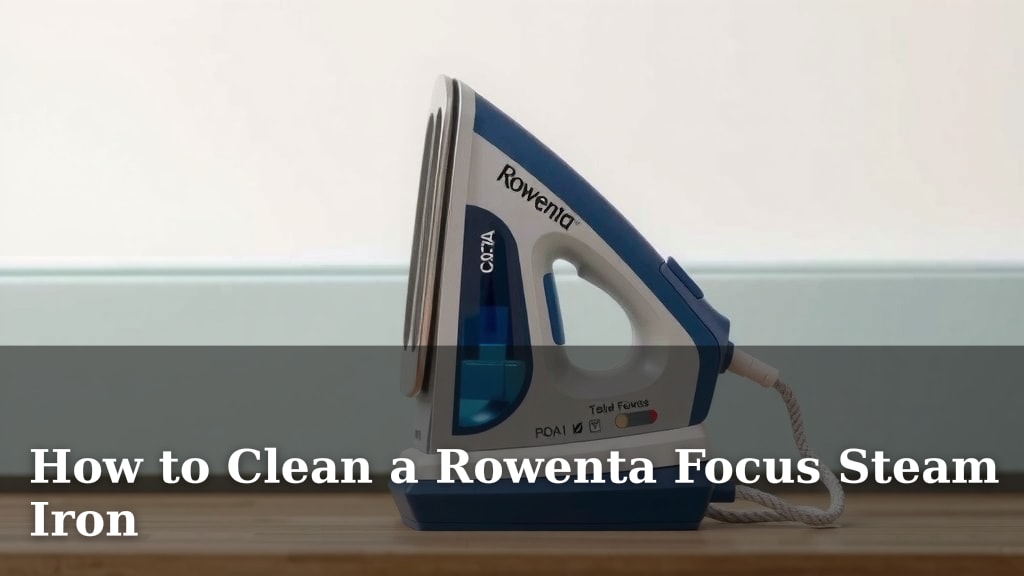
The easiest way to clean your Rowenta Focus steam iron is by using its self-clean function. This helps remove mineral buildup and keeps your iron performing at its best. Regular cleaning ensures smoother ironing and prevents stains on your clothes.
Mineral deposits can clog the steam vents over time. This reduces steam output and can lead to water spots. Many users find that a quick clean every few weeks keeps their Rowenta Focus working like new. Protecting your fabrics from residue is also key.
- Use the self-clean button for easy descaling.
- Always unplug and let the iron cool down first.
- Use a soft cloth to wipe the soleplate.
- Descale regularly to maintain steam power.
- Empty the water tank after each use.
Let’s walk through exactly how to get your Rowenta Focus steam iron sparkling clean, step by step.
“`htmlKeeping Your Rowenta Focus Steam Iron Clean
A clean iron is a happy iron. You want your Rowenta Focus steam iron to glide smoothly. You also want it to deliver perfect steam. Mineral buildup can get in the way of that. We’ll guide you through keeping it in top shape.
The Self-Clean Function: Your First Line of Defense
Your Rowenta Focus has a built-in self-clean feature. This is the easiest and most recommended way to descale. It flushes out loose particles. This keeps steam vents clear. Using this regularly prevents serious clogging.
When to Use the Self-Clean
How often should you run this important cycle? Many experts suggest using it every 4-6 uses. If you use tap water, especially in hard water areas, you might need to do it more often. You’ll notice if your iron starts spitting brown water. That’s a definite sign it’s time for a clean.
Step-by-Step Self-Clean Process
Let’s get this done. First, make sure your iron is completely cool. You do NOT want to burn yourself. Fill the water tank to the MAX line with plain water. Do not add any vinegar or cleaning solutions here. That can damage the internal components.
Plug the iron in and turn the temperature dial to its highest setting. Let the iron heat up for about 5 minutes. Once it’s hot, unplug the iron. Hold it horizontally over a sink. Press and hold the self-clean button. You’ll see hot water and steam come out. This water carries mineral deposits with it. Keep holding the button until the tank is empty. You might need to gently shake the iron to loosen stubborn debris.
After the Self-Clean
Once the self-clean cycle is complete, plug the iron back in. Let it heat up again for a couple of minutes. This helps dry out any remaining moisture inside. Then, unplug it and let it cool down. You can then wipe the soleplate clean. We’ll cover that next.
Cleaning the Soleplate: A Smooth Operator
The soleplate is the part that touches your clothes. It needs to be smooth and clean. A dirty soleplate can snag fabric. It can also transfer residue onto your clean laundry. Luckily, cleaning it is usually simple.
For Light Stains and Residue
Most of the time, a soft, damp cloth is all you need. Make sure the iron is unplugged and cool. Gently wipe away any marks. For slightly tougher spots, you can use a mild, non-abrasive cleaner. A bit of dish soap on a damp cloth works well. Always wipe with a clean, damp cloth afterward. Then dry with a separate soft cloth.
Tackling Burnt-On Stains
Did some fabric melt onto your soleplate? That’s a frustrating problem. Don’t panic. For stubborn residue, you can try a paste. Mix baking soda with a little water to form a paste. Apply it to the cooled soleplate. Let it sit for a few minutes. Then gently rub it off with a soft cloth. Rinse thoroughly with a damp cloth. Always ensure the iron is completely dry before its next use.
Some sources suggest using a bit of vinegar on a cloth for tough spots. However, we found that many Rowenta users prefer to avoid it on the soleplate. This is especially true if you haven’t recently used the self-clean function. Water and baking soda is a gentler approach. It’s often just as effective.
What NOT to Use on the Soleplate
It’s important to protect that smooth surface. Never use abrasive scrubbers like steel wool or scouring pads. These will scratch the soleplate. You should also avoid harsh chemical cleaners or solvents. They can damage the coating. Even some commercial soleplate cleaners can be too strong. Always test any cleaner on a small, inconspicuous area first if you’re unsure. Research suggests avoiding aerosol sprays directly onto the soleplate. They can leave a sticky residue.
Regular Maintenance for Longevity
Keeping your Rowenta Focus clean isn’t a one-time job. A little regular attention goes a long way. It ensures your iron performs well for years. It also saves you from ironing frustrations.
Emptying the Water Tank
This is a simple habit that makes a big difference. After every single use, make sure you empty the water tank completely. Residual water can become stagnant. It can also encourage mineral deposits to form over time. It’s a quick step that prevents future problems.
Storing Your Iron Correctly
Store your iron upright. Make sure it’s completely cool before putting it away. Avoid wrapping the cord too tightly around the iron. This can damage the cord over time. A cool, dry place is best. This prevents dust buildup on the soleplate.
Quick Cleaning Checklist for Your Rowenta Focus
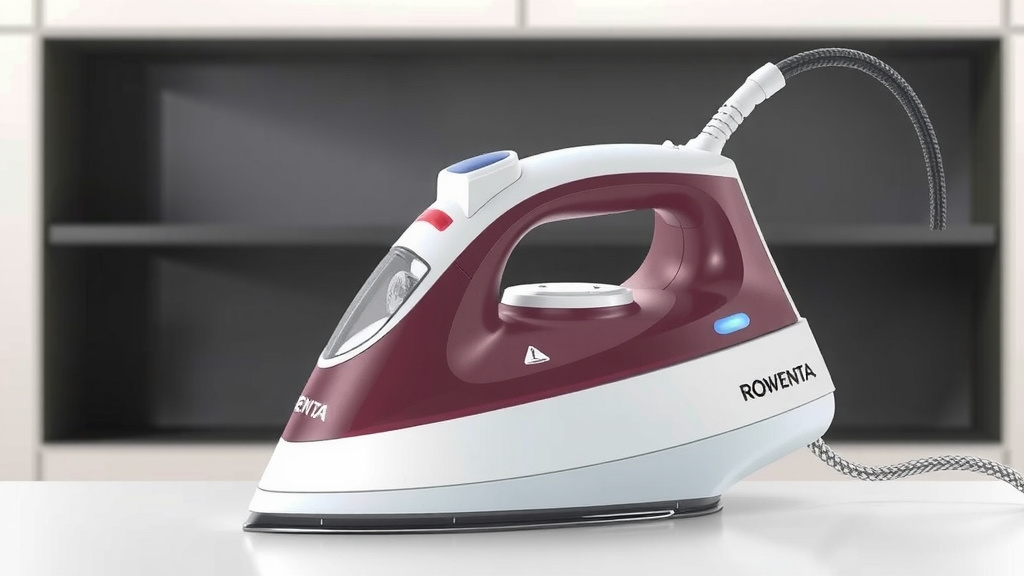
Here’s a handy guide to keep your iron in tip-top condition:
- Run the self-clean function every 4-6 uses.
- Always unplug and let the iron cool before cleaning.
- Wipe the soleplate with a damp cloth after each use.
- Empty the water tank completely after every ironing session.
- Store the iron upright in a cool, dry place.
- Check steam vents for blockages periodically.
Troubleshooting Common Issues
Sometimes, even with regular cleaning, you might encounter minor issues. If your iron is spitting water, it’s often a sign of mineral buildup. Try the self-clean function. If the steam output seems low, check that the steam vents aren’t clogged with lint or residue. A soft brush or a cotton swab can help here.
For any persistent issues, it’s always a good idea to consult your Rowenta Focus owner’s manual. It will have specific troubleshooting tips for your model. Many common problems can be resolved with simple cleaning routines like the ones we’ve discussed.
“`Conclusion
Keeping your Rowenta Focus steam iron clean is simple with a few regular habits. You’ve learned how to use the self-clean function effectively. You also know how to tackle soleplate issues safely. Remember to always unplug and cool your iron before cleaning. Emptying the water tank after each use is a small step with big benefits. Following these simple tips ensures your iron glides smoothly and protects your clothes. Make descaling and soleplate wiping part of your routine for consistently great ironing results.
Frequently Asked Questions
How often should I run the self-clean cycle on my Rowenta Focus iron?
We recommend running the self-clean function every 4-6 uses. If you live in a hard water area or notice your iron spitting brown water, it’s time to clean sooner. This regular descaling prevents mineral buildup from affecting steam performance.
Can I use vinegar to clean my Rowenta Focus iron?
While vinegar is a common cleaner, Rowenta advises against using it inside the iron. For the self-clean function, always use plain water. For soleplate cleaning, a baking soda paste is a gentler, effective alternative we found works well.
What should I do if my iron’s soleplate has sticky residue?
For sticky residue, ensure the iron is cool and unplugged. Try wiping gently with a soft, damp cloth. If that doesn’t work, a paste of baking soda and water can help lift tough spots. Always rinse with a damp cloth and dry thoroughly.
Is it okay to leave water in the iron between uses?
No, you should always empty the water tank completely after each ironing session. Leaving water inside can lead to stagnant water and encourage mineral deposits over time. This simple step helps maintain your iron’s performance.
What are the best ways to store my Rowenta Focus iron?
Always store your iron upright. Make sure it’s completely cool before putting it away. Keep it in a dry, dust-free location. Avoid wrapping the cord too tightly, as this can damage it over time.