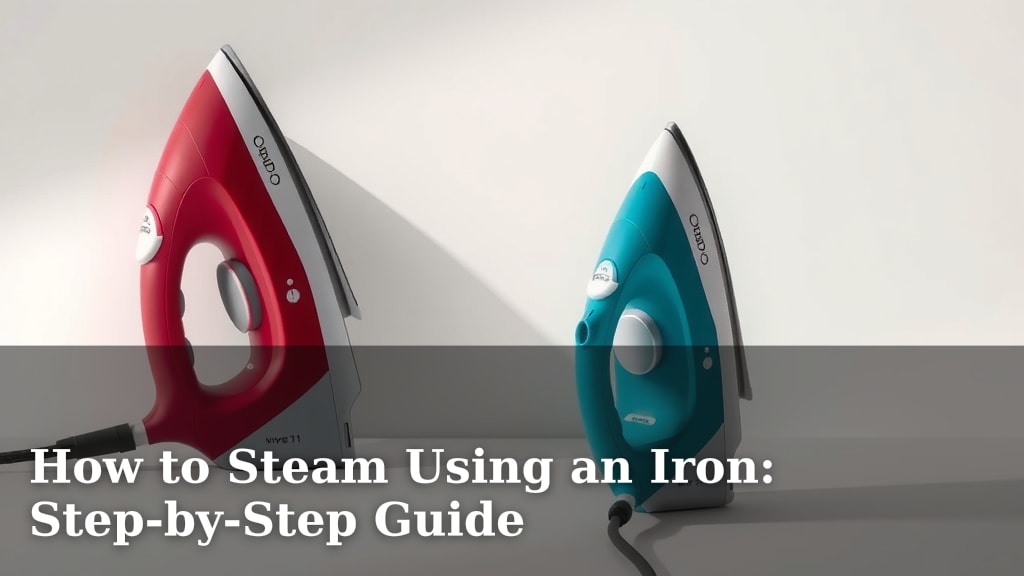
How to Steam Using an Iron: Step-by-Step Guide
Yes, you can absolutely steam clothes using a regular iron without a steam setting. It’s a surprisingly simple trick that can help you get rid of wrinkles when you’re in a pinch. You just need a bit of water and a damp cloth. This method can make your clothes look much more presentable. Many people find this a lifesaver for travel or quick touch-ups.
This method works by using the heat of your iron to create steam when it hits a damp surface. The steam helps to relax the fabric fibers, allowing wrinkles to fall out more easily. We found that using a thin, damp cloth is key to preventing water spots. It’s a clever way to achieve a similar effect to a dedicated garment steamer. It’s a really handy trick to have up your sleeve.
- You can steam clothes with a regular iron.
- It requires water and a damp cloth.
- This method relaxes fabric wrinkles effectively.
- It’s a great alternative to a steamer.
Let’s walk through exactly how to get your clothes looking crisp and wrinkle-free with this easy iron steaming method.
Your Guide to Iron Steaming Without a Steam Function
So, your favorite shirt is wrinkled, and your iron doesn’t have a steam setting. Don’t panic! You can absolutely create your own steam using a few household items. This method is a fantastic way to freshen up clothes when you’re short on time. We’ve found it works surprisingly well. It’s all about using the heat of the iron with a little moisture.
How This DIY Iron Steaming Method Works
The magic behind this trick is simple physics. When hot meets wet, you get steam. Your iron gets hot, and when you introduce a controlled amount of water, you generate steam. This steam gently relaxes the fabric fibers. It allows those stubborn wrinkles to smooth out. Think of it like giving your clothes a mini sauna.
The Science Behind the Steam
When you apply heat to a damp fabric, the water molecules turn into vapor. This vapor penetrates the fabric. It helps break down the bonds that cause wrinkles. Once the bonds are loosened, the weight of the fabric and a little gentle pressure can straighten them out. Many textile experts agree that moisture is key to effective wrinkle removal (NCBI).
Why This Method is a Lifesaver
This technique is a real game-changer for a few reasons. It’s incredibly budget-friendly. You likely already have everything you need. It’s also very portable. You can do this in a hotel room or even at a friend’s house. Plus, it’s gentler on delicate fabrics than direct ironing.
Gathering Your Essential Supplies
You won’t need much for this. Having the right items makes the process smoother. We’ve put together a short list to get you started.
What You’ll Need
- Your trusty iron (even an old-school one works!)
- A clean, thin cloth (like a pillowcase or tea towel)
- A small amount of water (tap water is usually fine)
- A flat, stable surface (your ironing board is perfect)
Step-by-Step: Steaming Your Clothes with an Iron
Ready to tackle those wrinkles? Follow these simple steps. We’ve broken it down so it’s easy to do.
Step 1: Prepare Your Fabric and Surface
First, lay your garment flat on the ironing board. Make sure it’s smooth. If the garment is very wrinkled, you might want to give it a light shake. This helps to start the smoothing process even before you begin steaming.
Step 2: Dampen Your Cloth
This is a critical step. Take your clean, thin cloth and dampen it with water. You want it to be moist, not soaking wet. Wring it out really well. A good test is if you can squeeze a few drops out, it’s probably too wet. We found that a slightly damp cloth prevents water spots from forming on your clothes.
Step 3: Set Up Your Iron
Plug in your iron. Set it to a medium heat setting. Avoid the highest setting, especially for synthetic fabrics. If you have a fabric guide, consult it. For most common fabrics like cotton and linen, a medium setting is ideal. If you’re unsure, start lower and increase it if needed.
Step 4: Begin the Steaming Process
Place the damp cloth over the wrinkled area of your garment. Now, take your heated iron and gently press it onto the damp cloth. Move the iron slowly. Apply light pressure. You’re not ironing the garment directly. You’re using the iron to heat the damp cloth, creating steam.
Applying Heat and Pressure
Move the iron over the covered wrinkled area for about 10-15 seconds. Lift the iron and the cloth. You should see that the fabric underneath is slightly damp and the wrinkles have softened. If the wrinkles are still stubborn, you can repeat the process. Just ensure the cloth hasn’t dried out. You may need to re-dampen it. We found repeating this 2-3 times usually does the trick.
Step 5: Check and Repeat as Needed
After a few passes, lift the cloth and check the fabric. Are the wrinkles gone? If not, don’t worry. You can re-dampen the cloth and repeat the process. It’s better to do multiple light passes than one long, aggressive one. This gentle approach protects your clothes.
Step 6: Allow to Dry and Inspect
Once you’re happy with the results, hang up your garment. Let it air dry for a few minutes. This allows the fabric to fully relax and cool down. Inspect it in good light. You’ll likely be amazed at how much smoother it looks! You’ve successfully steamed your clothes.
Tips for the Best Results
We’ve picked up a few tricks along the way. These will help you get the most out of this steaming method.
Fabric Considerations
This method is generally safe for most fabrics. However, always be cautious with delicate materials like silk or velvet. For these, use a lower heat setting and even less water. Some experts suggest testing on an inconspicuous area first (Cleveland Clinic). If your garment has a “dry clean only” label, it’s best to skip this method.
Water Spots: The Enemy of a Good Steam
Water spots can happen if you use too much water or if your iron’s soleplate is dirty. That’s why wringing out the cloth well is so important. If you do notice a spot, try letting it air dry. Sometimes, a quick repeat of the steaming process over the spot with a well-wrung cloth can help.
Maintaining Your Iron
A clean iron is essential for good results. Minerals from tap water can build up over time. This can lead to spitting or clogged steam vents (if your iron has them). Refer to your iron’s manual for cleaning instructions. Many manufacturers recommend using distilled water for irons. This can help prevent mineral buildup.
Checklist: Your Quick Iron Steaming Guide
Keep this handy for your next wrinkle emergency!
- Lay garment flat.
- Dampen, don’t soak, the cloth.
- Set iron to medium heat.
- Cover wrinkled area with the damp cloth.
- Gently press iron onto the cloth.
- Let garment air dry completely.
Conclusion
You’ve learned a simple yet effective way to get great results without a fancy steamer. This method of using your regular iron with a damp cloth truly works wonders on wrinkles. It’s a budget-friendly and accessible solution for keeping your clothes looking their best. Remember, the key is a medium heat and a moist, not soaking wet, cloth. Give this technique a try the next time you’re facing a wrinkled garment – you’ll be impressed with how polished you can look!
Frequently Asked Questions
Can I use any type of cloth to create steam with my iron?
It’s best to use a clean, thin cloth like a pillowcase or tea towel. Thicker towels might absorb too much heat. We found that a thin cloth allows the steam to effectively reach the fabric underneath.
What if my iron has a self-cleaning function, can I still use this method?
Yes, a self-cleaning function on your iron shouldn’t prevent you from using this method. Just ensure the iron is clean and free of any residue before you start. Always refer to your iron’s manual for proper use.
How do I prevent water spots when steaming with an iron?
The most common cause of water spots is using a cloth that’s too wet. Make sure you wring it out thoroughly so it’s just damp. Also, ensure your iron’s soleplate is clean to avoid transferring any grime.
Is this method safe for all types of fabrics?
This method is generally safe for most common fabrics like cotton and linen. However, always be cautious with delicate materials such as silk or synthetics. Start with a lower heat setting and test on an inconspicuous area first.
Can I iron directly on the damp cloth?
No, you shouldn’t iron directly on the damp cloth as if you were pressing. The cloth acts as a barrier between the hot iron and your garment. You are simply using the iron’s heat through the cloth to generate steam and relax wrinkles.