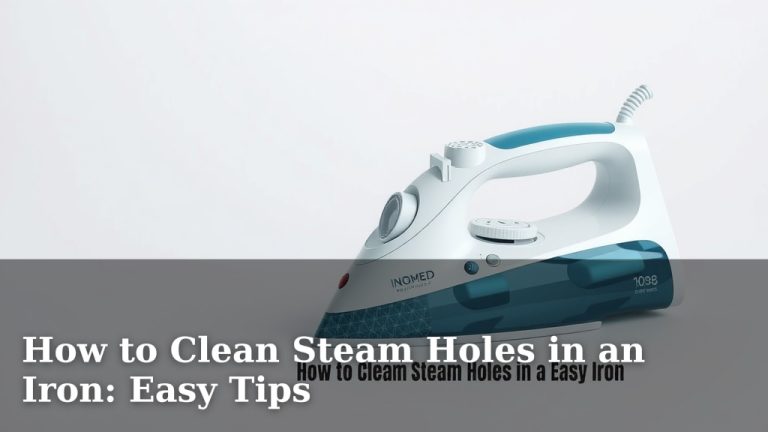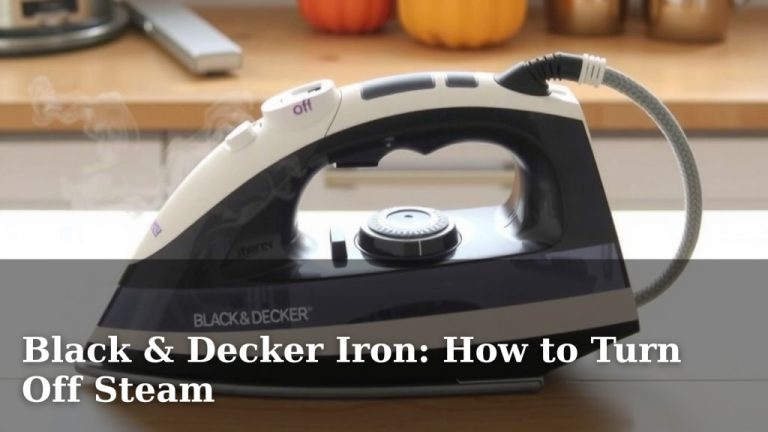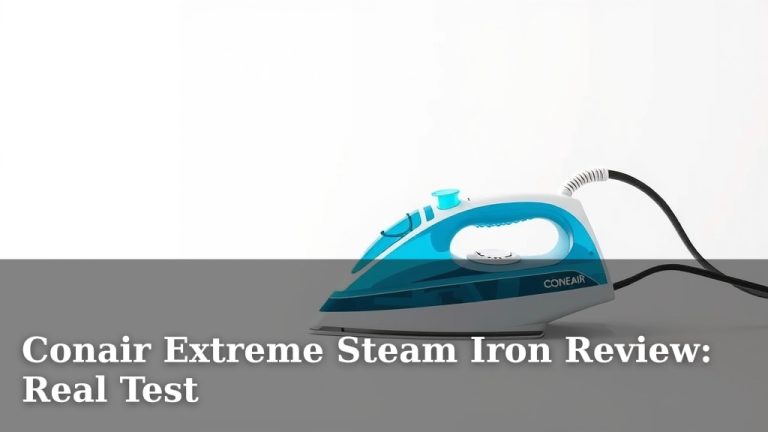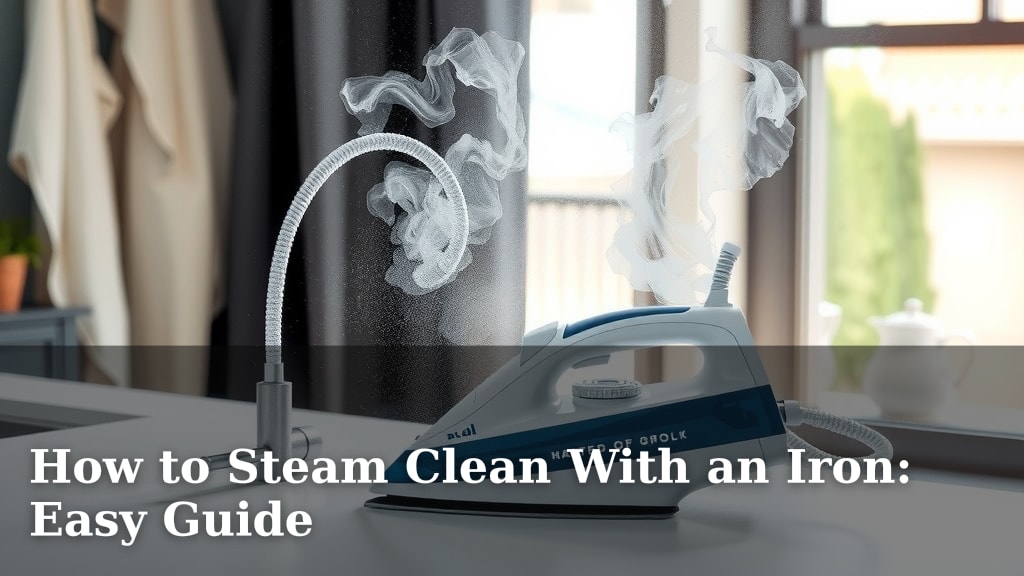
How to Steam Clean With an Iron: Easy Guide
Yes, you can absolutely use your iron to steam clean fabrics! It’s a surprisingly effective way to remove wrinkles and refresh clothing in a pinch. All you need is a bit of water and your trusty iron. This simple method can save you time and effort when you need quick fabric care.
When your clothes look a little tired, but you don’t have time for a full wash, steam is your friend. Using your iron to create steam can help relax fabric fibers. It also helps to remove minor odors and refresh garments between washes. We found this trick to be a real lifesaver for busy mornings.
- Fill your iron’s water reservoir.
- Set your iron to a steam setting.
- Hold the iron a few inches above the fabric.
- Move the iron back and forth.
- Let the fabric dry completely.
Ready to give it a try? Below, we’ll walk you through the easy steps to steam clean with your iron and get your clothes looking their best.
Your Iron’s Secret Life: A Gentle Steam Clean for Fabrics
Did you know your iron can do more than just zap wrinkles? It can also be your secret weapon for a quick fabric refresh. You might be surprised how effective this simple technique is. We’ve found it’s a fantastic way to **revitalize clothes** between washes. Let’s get your garments looking and smelling fresher.
Getting Started: What You’ll Need
Before you start steaming, gather your tools. You won’t need much. Most of these items are probably already in your laundry room or closet. It’s about using what you have for a quick fix.
Essential Supplies for Iron Steaming
- Your trusty iron (make sure it has a steam function).
- A clean water source (distilled water is best, but tap is okay if your iron manual says so).
- A stable, heat-resistant surface.
- The garment you want to refresh.
Choosing the Right Water for Your Iron
The type of water you use matters. Many iron manufacturers recommend **distilled water**. This helps prevent mineral buildup inside your iron. This buildup can eventually clog the steam vents. It can also leave white marks on your clothes. If you don’t have distilled water, check your iron’s manual. Some irons can handle tap water. Just be aware that hard water can cause issues over time.
The Steaming Process: Step-by-Step
Now, let’s get to the fun part. This process is straightforward. You’ll be amazed at the results. Think of it as giving your clothes a mini spa treatment.
Step 1: Prepare Your Iron
First, locate the water reservoir on your iron. Carefully fill it with your chosen water. Be sure not to overfill it. Next, plug in your iron. Set it to the **steam setting**. This is usually indicated by a steam icon or a specific temperature dial. Then, set the temperature. A medium setting is often a good starting point for most fabrics. Always check the care label on your garment first.
Step 2: Position Your Garment
Lay the item you wish to steam flat. You can do this on your ironing board or another clean, stable surface. Ensure the fabric is smooth. This helps the steam penetrate evenly. Don’t iron directly on the fabric yet. You want to create a buffer.
Step 3: Apply the Steam
Hold the iron about **two to three inches above the fabric**. Never let the hot soleplate touch the material when steaming this way. Gently press the steam button or trigger on your iron. You should see a puff of steam. Move the iron slowly back and forth over the wrinkled or tired areas. Work in sections. This allows the steam to relax the fibers.
Understanding Steam Application Techniques
You can hold the iron horizontally or vertically. Holding it horizontally is common. It allows gravity to help the steam flow. Holding it vertically can be useful for hanging garments like curtains or dresses. Just ensure the garment is secure if steaming vertically. Research suggests steam can help kill some bacteria. This makes it great for refreshing items that aren’t heavily soiled (National Health Service).
Step 4: Let it Dry
After steaming a section, let the fabric cool and dry completely. Steam introduces moisture. You don’t want to put damp clothes away. Give it a few minutes. You’ll notice the wrinkles have fallen out. The fabric will feel refreshed. This drying step is **very important**.
Safety First: Precautions to Take
While this method is simple, safety is key. Your iron gets hot, and steam can cause burns. Always exercise caution. We want you to have great results without any accidents.
General Safety Guidelines
- Never leave a hot iron unattended.
- Keep the iron and its cord away from water sources (other than the reservoir).
- Ensure the iron is unplugged when filling or emptying the water reservoir.
- Always direct steam away from yourself and others.
- Test on an inconspicuous area first if you’re unsure about the fabric.
Fabric Types and Steam Sensitivity
Most fabrics can handle this type of steaming. However, some delicate materials might be more sensitive. Research indicates that fabrics like silk, rayon, and some synthetics may require lower heat settings. Always check the garment’s care label. If it says “Do Not Steam” or “Dry Clean Only,” you should probably avoid this method. For tougher fabrics like cotton or linen, you have more flexibility. Always start with a lower heat if in doubt. You can always increase it if needed.
When to Use Iron Steaming
This method is perfect for specific situations. It’s not a deep cleaning solution. It’s more of a quick touch-up. Think of it as a **freshening boost**.
Ideal Scenarios for Steaming
- Quickly removing wrinkles before heading out the door.
- Refreshing clothes that have been stored for a while.
- Reducing minor odors from smoke or food.
- Giving a slightly worn garment a lift.
- De-wrinkling curtains or tablecloths without taking them down.
What Iron Steaming *Isn’t* For
It’s important to know the limits. This technique won’t remove tough stains. It doesn’t replace a proper wash for heavily soiled items. If a garment has significant dirt or stains, you’ll need to wash it normally. Health guidelines suggest washing garments can remove more germs and grime than steaming alone (CDC).
Troubleshooting Common Steaming Issues
Sometimes, things don’t go perfectly. Don’t worry, these issues are usually easy to fix. We’ve got you covered.
Preventing Water Spots
Water spots often happen because of mineral buildup in the iron. Using distilled water is the best prevention. If you see spots, try cleaning your iron’s soleplate. Many manufacturers offer cleaning instructions. Sometimes, a gentle wipe with a damp cloth after the iron cools can help.
Lack of Steam Production
If your iron isn’t producing much steam, check a few things. First, ensure the water reservoir is filled. Is the iron properly heated? Make sure the steam setting is engaged. Sometimes, clogged steam vents are the culprit. You might need to descale your iron. Consult your iron’s manual for specific descaling instructions.
Quick Checklist for Your Next Steam Clean
Ready to give it a shot? Here’s a quick rundown to make sure you don’t miss a step:
- Check garment care label.
- Fill iron with distilled water.
- Set iron to steam and medium heat.
- Hold iron 2-3 inches above fabric.
- Apply steam in sections.
- Let fabric dry completely.
Conclusion
You’ve learned how to transform your iron into a handy steam-cleaning tool! This simple method is perfect for quick refreshes and de-wrinkling. Remember to always check fabric care labels and use distilled water for best results. Safety first is key, so keep that hot iron pointed away from you. Now you can easily bring your clothes back to life between washes, saving time and keeping your wardrobe looking sharp. Give your garments that just-steamed freshness and feel confident every day!
Frequently Asked Questions
Can I use my iron to steam clean delicate fabrics like silk or lace?
For delicate fabrics like silk or lace, proceed with caution. It’s best to use a lower heat setting on your iron and hold it a bit further away from the fabric, perhaps four inches. Always test on an inconspicuous area first to ensure the fabric can handle the steam without damage.
Will steaming with an iron remove deep stains or strong odors?
Steaming with an iron is excellent for refreshing fabrics and reducing minor odors. However, it’s not a substitute for washing when dealing with deep stains or heavily soiled items. For tough spots or persistent smells, a traditional wash is usually necessary.
How often can I steam clean my clothes with an iron?
You can steam clean your clothes with an iron as often as needed for quick refreshes. It’s a gentle process suitable for everyday touch-ups. Just ensure the fabric is allowed to dry completely after steaming before wearing or storing.
What should I do if my iron starts leaving water spots on my clothes?
Water spots are often caused by mineral buildup inside your iron. Using distilled water is the best way to prevent this. If spots appear, try cleaning your iron’s soleplate according to the manufacturer’s instructions, and always empty the water reservoir after use.
Is it safe to steam iron clothing that has been dry-cleaned only?
Generally, if a garment’s care label states “Dry Clean Only,” you should avoid using water or steam. Steam can sometimes alter the fabric or finish of items meant for dry cleaning. It’s always best to follow the manufacturer’s care instructions to prevent damage.