How to Iron With a Steamer: Easy Guide
Yes, you can absolutely iron clothes with a steamer, and it’s often easier and faster than using a traditional iron. A garment steamer works by using high-temperature steam to relax fabric fibers, allowing wrinkles to fall out with minimal effort. It’s a fantastic tool for quickly refreshing outfits.
Many people find steamers to be more forgiving on delicate fabrics than irons. They’re great for removing creases from everyday wear and even tackling stubborn wrinkles on heavier materials. Plus, the steam can help kill odors and sanitize clothes between washes. You’ll be amazed at how quickly you can get your clothes looking neat.
- Steamers are a quick way to remove wrinkles.
- They are gentler on most fabrics than irons.
- Steam can also help freshen up clothes.
- It’s an easy alternative to traditional ironing.
Ready to give your clothes a smooth finish without the fuss? Let’s walk through exactly how to use a steamer effectively on your garments.
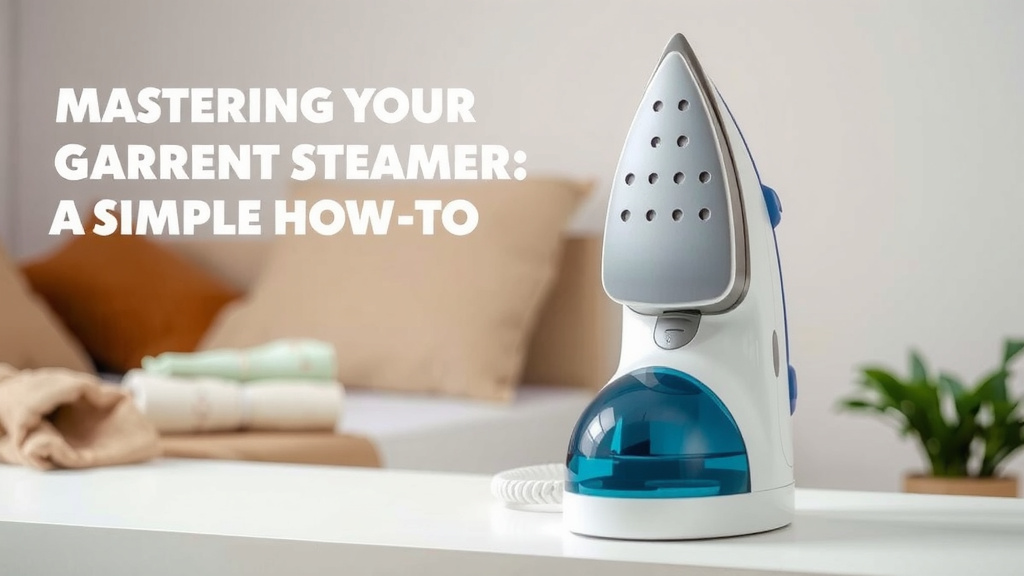
Mastering Your Garment Steamer: A Simple How-To
So, you’ve got a garment steamer and you’re ready to banish wrinkles. Great choice! Using a steamer is pretty straightforward. You’ll be smoothing out clothes like a pro in no time. It’s all about understanding how the steam works its magic on your fabrics.
Getting Your Steamer Ready to Go
Before you even touch a garment, let’s make sure your steamer is prepped. This first step is super important for safety and performance. You wouldn’t drive a car without checking the tires, right? Same idea here.
Filling the Water Tank
First things first: water. Most steamers have a removable tank. Carefully detach it and fill it up. What kind of water should you use? Distilled or demineralized water is usually best. Tap water can contain minerals that build up over time. This buildup can clog your steamer or even stain your clothes. We found that using the right water can really extend the life of your steamer. Check your steamer’s manual for specific recommendations. Some newer models can handle tap water, but it’s always good to be sure.
Priming Your Steamer
Once the tank is filled, reattach it securely. Now, turn on your steamer. Let it heat up completely. This usually takes a few minutes. You’ll know it’s ready when it starts producing a consistent stream of steam. Some steamers have indicator lights for this. Don’t rush this step! Trying to steam before it’s fully heated can result in sputtering water, not steam. That’s the last thing you want on your nice shirt.
The Art of Steaming Your Clothes
Now for the fun part! Actually steaming your clothes. It’s less about pressure and more about technique. Think of it like gently persuading wrinkles to leave, not forcing them out.
Understanding Fabric Care
Before you steam, take a peek at the care label on your garment. Some fabrics are more delicate than others. Synthetics like polyester and nylon usually steam beautifully. Natural fibers like cotton and linen might need a bit more attention. Silk and velvet can be a little trickier. Many experts suggest that it’s always wise to test the steamer on an inconspicuous area first. This might be an inside seam or hem. You just want to make sure the fabric can handle the heat and moisture.
Your Steaming Technique
Hold the garment taut. You can hang it on a hanger or lay it flat. Keep the steamer head a few inches away from the fabric. Move the steamer slowly and steadily over the wrinkled areas. Let the steam do the work. For tougher wrinkles, you might need to go over the spot a couple of times. You can also use your free hand to gently pull the fabric taut as you steam. This helps the fibers relax more effectively. Avoid pressing the steamer directly onto the fabric like you would an iron. That’s not how it works!
Steaming Different Fabric Types
Different materials respond to steam a little differently. For delicate fabrics like silk or rayon, keep the steamer moving quickly. You don’t want to over-saturate them. For sturdier fabrics like cotton or denim, you can spend a little more time on each section. You might even want to go over them twice. Research indicates that even heavily wrinkled items can be smoothed with patience (National Institute of Standards and Technology).
Dealing with Stubborn Wrinkles
Got a crease that just won’t quit? Try this: while holding the fabric taut, use your free hand to press the wrinkled area from the other side. This helps to flatten the fibers before the steam hits them. You can also try holding the steamer head a bit closer, but be cautious with delicate materials. Sometimes, a second pass with the steamer is all it takes. We’ve found that a little extra attention on those tough spots makes a big difference.
Steaming Specific Garments
Some items are just easier to steam than others. Think about what you’re working with.
Shirts and Blouses
For collared shirts, start with the collar. Then move to the cuffs and sleeves. Finally, steam the front and back panels. Make sure to get into the pleats and around buttons. You can often achieve a crisp look with a bit of careful maneuvering.
Pants and Skirts
Hang pants by the waistband or let them hang naturally. Steam down the legs, paying attention to creases. For skirts, work your way around the hem and then up the body of the skirt. Pleated skirts can be a bit more challenging, but a patient hand makes it easier.
Dresses and Other Items
Dresses and delicate items like scarves can be steamed while still on the hanger. Be extra gentle with embellishments or beading. For items that can’t be hung, like curtains or tablecloths, you can sometimes lay them flat and steam them carefully. Just be sure the surface underneath is heat-resistant or protected.
A Quick Steaming Checklist
Here’s a handy checklist to keep by your steamer:
- Fill the tank with distilled or demineralized water.
- Hang the garment securely or hold it taut.
- Test on an inconspicuous spot if unsure about the fabric.
- Keep the steamer moving and a few inches away.
- Go over stubborn wrinkles a second time if needed.
- Let clothes cool slightly before wearing or hanging.
Conclusion
You’ve now got the know-how to transform your wardrobe with a garment steamer. Remember, it’s all about preparation and technique. Filling your tank with the right water and letting your steamer heat up properly are key first steps. Gently guiding the steam over your clothes, rather than pressing, will smooth out wrinkles effectively.
Steaming is a faster, gentler way to refresh your clothes between washes. It’s perfect for quick touch-ups and giving your favorite outfits a polished look with minimal effort. So, go ahead, give your clothes the smooth finish they deserve!
Frequently Asked Questions
Can I use tap water in my garment steamer?
While some newer steamers might handle tap water, it’s generally best to use distilled or demineralized water. Tap water contains minerals that can build up over time. This buildup can clog your steamer and potentially stain your clothes.
How close should I hold the steamer to my clothes?
You should keep the steamer head a few inches away from the fabric. Moving the steamer slowly and steadily allows the steam to relax the fibers. For tougher wrinkles, you can hold it a bit closer, but be cautious with delicate materials.
What if a wrinkle is really stubborn?
For difficult creases, try holding the fabric taut with one hand while steaming. You can also use your free hand to gently press the wrinkled area from the back. Often, a second pass with the steamer will do the trick.
Can I use a steamer on all types of fabric?
Steamers are generally gentler on most fabrics than irons. However, it’s always wise to test on an inconspicuous spot first, especially with delicate materials like silk or velvet. Sturdier fabrics like cotton and denim usually steam well.
Do I need to hang my clothes to steam them?
Hanging your clothes on a hanger or holding the fabric taut is the best method. This allows the steam to penetrate the fibers effectively and the wrinkles to fall out naturally. Some items, like curtains, can be steamed flat if needed.