
How to Clean Your Steam Iron: Full Guide
The easiest way to clean your steam iron is by using vinegar and a soft cloth. This method helps remove mineral buildup and residue. A clean iron ensures your clothes look crisp and wrinkle-free every time. Don’t let a dirty soleplate ruin your laundry day!
We found that mineral deposits from tap water can clog steam vents. This causes your iron to spit and stain fabrics. Regularly cleaning your steam iron can extend its lifespan. It also makes your ironing process much more effective and enjoyable.
- Use vinegar and a soft cloth for cleaning.
- This removes mineral buildup and residue.
- A clean iron prevents staining and clogging.
- Regular cleaning keeps your iron working well.
Ready to get your iron sparkling again? Let’s walk through exactly how to do it, step by step.
“`htmlYour Guide to a Sparkling Clean Steam Iron
A dirty steam iron can turn your crisp shirts into stained messes. Mineral deposits from tap water are the usual suspects. They can clog steam vents and leave brown spots. We found that regular cleaning keeps your iron performing its best. It prevents damage to your favorite clothes. Let’s get that soleplate shining again!
Why Your Steam Iron Needs Regular Cleaning
Think of your steam iron like any other appliance. It needs a little TLC to work efficiently. Over time, **hard water minerals** can build up inside. This buildup is called scale. It can block the tiny steam holes. You might notice your iron sputtering or leaking water. It can also leave unsightly stains on your laundry.
The Problem with Mineral Buildup
Tap water contains minerals like calcium and magnesium. When water heats up inside the iron, these minerals are left behind. They form a hard crust. This scale can be tough to remove if left too long. Many iron manufacturers recommend using distilled or demineralized water. This helps slow down the buildup process. But even with careful use, some scale can form.
Signs Your Iron Needs Cleaning
So, how do you know if your iron is crying out for a cleaning? Watch for these common signs:
- Sputtering: Your iron is spitting water instead of producing smooth steam.
- Stains: Brown or rust-colored spots are appearing on your clothes.
- Poor Steam Output: The steam seems weak or inconsistent.
- Dragging Soleplate: The iron doesn’t glide smoothly over fabric.
If you see any of these, it’s time to grab your cleaning supplies. Don’t wait for the problem to get worse!
Essential Cleaning Supplies You’ll Need
Before you start, gather a few simple items. You likely already have most of them in your home. Having everything ready makes the process quick and easy. We found these items work best for tackling common iron grime.
What to Have on Hand
- Distilled White Vinegar: This is your primary cleaning agent. Its acidity helps break down mineral deposits.
- Soft Cloths or Microfiber Towels: You’ll need a couple for wiping and buffing.
- Cotton Swabs: Perfect for cleaning those hard-to-reach steam vents.
- Clean Water: For rinsing and filling.
- Optional: Baking Soda Paste: For stubborn residue on the soleplate.
Always ensure your iron is **unplugged and completely cool** before you begin cleaning. Safety first!
How to Clean the Iron’s Soleplate
The soleplate is the flat metal part that touches your clothes. This is where most of the visible gunk collects. Cleaning it will restore its smooth glide. We found this method is highly effective for removing residue.
Vinegar Method for Soleplate Grime
Start by unplugging your iron and letting it cool. Dampen a soft cloth with distilled white vinegar. Gently rub the soleplate in a circular motion. Focus on any stained or sticky areas. The vinegar should start to dissolve the buildup. Don’t let the vinegar drip into the iron’s internals.
Tackling Stubborn Residue
If vinegar alone doesn’t cut it, a baking soda paste can help. Mix one tablespoon of baking soda with one tablespoon of water. Apply this paste to the stubborn spots on the soleplate. Gently rub with a soft cloth. Avoid getting the paste into the steam vents or any openings. Wipe away the paste with a damp cloth.
Rinsing and Drying
After cleaning, use a clean, damp cloth to wipe away any vinegar or baking soda residue. Make sure the soleplate is completely clean. Then, use a dry cloth to buff it until it shines. A clean soleplate ensures smooth gliding over your fabrics.
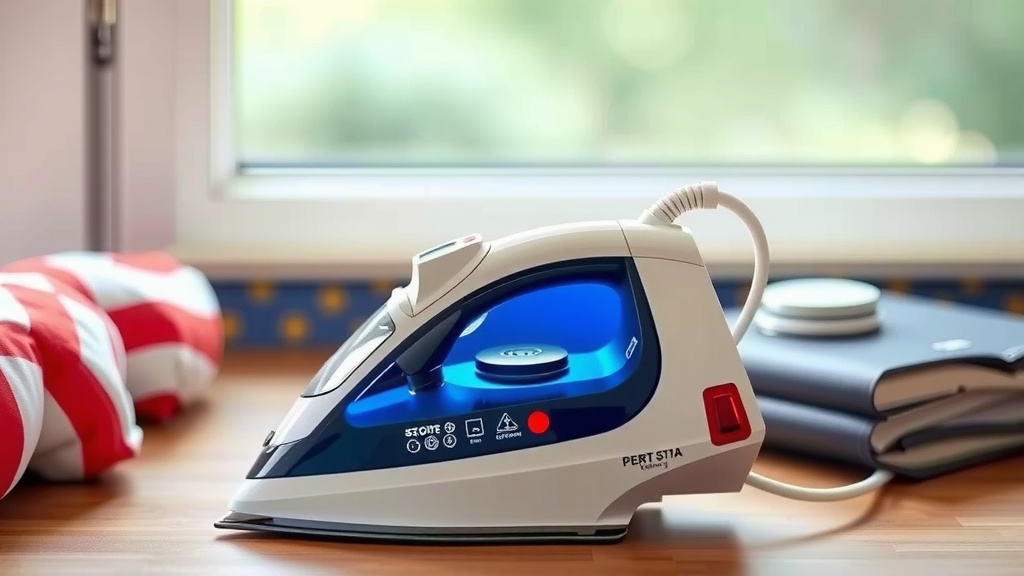
Cleaning the Steam Vents and Water Reservoir
Now, let’s focus on the parts that produce the steam. Clogged vents are a common iron issue. We found that addressing these areas is key to good performance.
Clearing Clogged Steam Vents
Dip a cotton swab in distilled white vinegar. Gently clean around and inside each steam vent. Work carefully to dislodge any mineral deposits. You might need to use a few swabs. After cleaning, wipe the area with a damp cloth. Ensure no vinegar residue remains.
Flushing the Water Reservoir
Many irons have a self-cleaning function. Check your manual for specific instructions. If yours doesn’t, you can manually flush it. Fill the reservoir with a 50/50 mixture of distilled white vinegar and distilled water. Heat the iron to its highest setting for about five minutes. Unplug the iron and let it cool. Empty the reservoir completely. Then, refill it with plain distilled water.
A Steam Test Run
To ensure all cleaning solutions are gone, do a quick steam test. Place an old towel or a piece of scrap fabric on your ironing board. Set the iron to its highest steam setting. Iron the towel for a few minutes. This will help clear out any remaining vinegar or residue from the steam system. If any discolored water comes out, keep ironing the towel until it runs clear.
Maintenance Tips for a Long-Lasting Iron
Preventing buildup is much easier than removing it. A little bit of ongoing care goes a long way. We found these practices help keep irons in top shape.
Water Choice Matters
Always try to use **distilled or demineralized water**. This significantly reduces mineral buildup. If you must use tap water, empty the reservoir after each use. Never leave water sitting in the iron. Letting water sit can encourage mineral deposits and rust.
Empty After Every Use
This is a simple yet highly effective habit. After you finish ironing and the iron has cooled slightly, **empty the water reservoir**. Turn the iron upside down over a sink. Let all the water drain out. This prevents stale water and mineral deposits from forming.
Storage is Key
Store your iron upright in a cool, dry place. Ensure the soleplate is clean and dry before storing. Avoid storing it with anything resting on the soleplate. This can scratch or damage the surface. Many irons come with a heat-resistant storage cover.
Here’s a quick checklist to keep your iron in tip-top shape:
- Unplug and cool before cleaning.
- Use vinegar for soleplate grime.
- Clean steam vents with cotton swabs.
- Flush the water reservoir periodically.
- Always use distilled water if possible.
- Empty the reservoir after each ironing session.
Conclusion
Keeping your steam iron clean is simple, but it makes a big difference. You’ve learned how mineral buildup can affect its performance and even stain your clothes. By using common household items like vinegar and baking soda, you can tackle soleplate grime and clogged steam vents effectively. Remember to always use distilled water and empty the reservoir after each use for ongoing maintenance. Take a few minutes to clean your iron today, and you’ll enjoy smoother, more effective ironing sessions for years to come!
Frequently Asked Questions
How often should I clean my steam iron?
We recommend cleaning your steam iron’s soleplate and steam vents at least once a month, especially if you use tap water. For heavy users, a more frequent cleaning schedule might be beneficial. Flushing the water reservoir can be done every few uses.
Can I use something other than distilled white vinegar?
While distilled white vinegar is most effective due to its acidity, some sources suggest a diluted solution of lemon juice or specialized iron cleaning solutions. However, we found that vinegar is readily available and works reliably for most common buildup issues.
My iron is leaving white residue on my clothes, what is that?
White residue is typically caused by mineral deposits or starch buildup from laundry products. Ensure your steam vents are clear and consider using distilled water to prevent future mineral buildup. If it’s starch, a good soleplate cleaning should resolve it.
Is it safe to put cleaning solutions directly into the water reservoir?
Always check your iron’s manual first. Some irons have specific self-cleaning functions that require filling the reservoir with water and heating. For manual cleaning with vinegar, we suggest a 50/50 vinegar and water mix for flushing, but avoid leaving strong solutions in the reservoir long-term.
What should I do if my iron is badly stained or very old?
For heavily stained or older irons, a deep cleaning might be necessary. You may need to repeat the soleplate cleaning process a few times. If the soleplate is permanently damaged or the iron is not functioning correctly after cleaning, it might be time to consider replacing it.