How to Clean the Plate of a Steam Iron: Guide
The easiest way to clean the plate of a steam iron is with a simple paste of baking soda and water. This method is very effective at removing stubborn residue. Cleaning your iron plate regularly will help it glide smoothly over your clothes and prevent fabric damage. Don’t worry, it’s a straightforward process!
A dirty iron plate can leave scorch marks or sticky spots on your garments. This often happens from melted synthetic fabrics or mineral buildup. Keeping your iron’s soleplate clean and smooth is essential for achieving crisp, professional-looking results. Many people find surprising success with common household items.
- Use a baking soda and water paste.
- Wipe with a damp cloth afterward.
- Always ensure the iron is cool.
- Test a small area first if unsure.
Below, we break down the simple steps to get your steam iron looking and working like new again. Let’s tackle that sticky soleplate together!
You know that moment? You’re pressing a crisp white shirt, ready for a big meeting or a special event, and suddenly you see it – a faint brown streak or a sticky spot left behind. Ugh! It’s usually your iron’s plate, the soleplate, showing its age or its recent battles with stubborn fabrics. Don’t worry, getting that soleplate smooth and clean again is easier than you think. Your iron can glide like new!
Keeping Your Steam Iron’s Plate Pristine
A dirty iron plate can cause more than just unsightly marks. It can actually damage your clothes. Melted synthetics, starch buildup, or mineral deposits from hard water can all contribute to a sticky, uneven surface. This means your iron won’t heat evenly, leading to scorch marks or snagged threads. Thankfully, many common household items can help restore your iron’s soleplate to its former glory.
Why Your Iron Plate Needs Regular Cleaning
Think of your iron’s plate like the sole of your favorite shoe. If it’s covered in gunk, it won’t move as freely. A clean plate ensures even heat distribution and a smooth glide across all fabric types. This prevents those frustrating moments of having to re-iron a spot or, worse, ruin a garment. Many garment care guides suggest cleaning your iron’s soleplate every few months, or whenever you notice residue.
Safety First: Preparing Your Iron
Before you start any cleaning, safety is key. You don’t want to burn yourself or damage your appliance. It’s vital to follow a few simple precautions. This ensures a safe and effective cleaning session.
Unplug and Cool Down
This might seem obvious, but it’s the most important step. Always unplug your steam iron from the power outlet. Then, let it cool down completely. A hot iron can cause cleaning solutions to fume, and you risk serious burns if you touch the soleplate. Patience here is a virtue!
Empty the Water Reservoir
If your iron has a water reservoir for steam, empty it completely. You don’t want water sloshing out during cleaning. This also prevents any old water from becoming stagnant and potentially contributing to mineral buildup over time. A fresh start is always best.
Effective DIY Cleaning Methods for Your Iron Plate
You don’t need fancy cleaners to get your iron looking new. Many simple, everyday items work wonders. We’ve researched several popular methods, and they all have their merits.
The Baking Soda Paste Method (Your Go-To!)
This is a crowd favorite for a reason. Baking soda is a mild abrasive that can lift away residue without scratching the soleplate. It’s gentle yet effective. Many cleaning experts recommend this approach for its affordability and accessibility.
What You’ll Need
- Baking soda
- Water
- A small bowl
- A soft, damp cloth
- A dry cloth
Step-by-Step Cleaning
- Mix two parts baking soda with one part water in your small bowl. You want to create a thick paste, similar to toothpaste.
- Ensure your iron is unplugged and completely cool.
- Gently apply the baking soda paste to the affected areas on the soleplate. Avoid the steam vents as much as possible.
- Let the paste sit for about 5-10 minutes. This gives it time to work on the grime.
- Using your damp cloth, gently wipe away the paste and the loosened residue. You might need to rinse and wring out the cloth a few times.
- Once all the paste is removed, wipe the soleplate with a clean, dry cloth to prevent water spots.
Using a Damp Cloth and Dish Soap
For lighter residue, a simple solution of dish soap and water can work wonders. This is a good first attempt if you’re unsure about stronger methods.
Steps for Dish Soap Cleaning
- Mix a few drops of mild dish soap with warm water in a bowl.
- Dip a soft cloth into the soapy water and wring it out well. You want it damp, not dripping.
- Gently rub the soleplate in circular motions. Focus on any sticky spots or discolored areas.
- Wipe the plate clean with a fresh, damp cloth to remove soap residue.
- Dry thoroughly with a clean, dry cloth.
The Salt Method for Stubborn Stains
Some sources suggest using salt for tough, burnt-on residue. It’s a bit more abrasive, so use it with caution. This method is best for very specific, stubborn spots.
How to Use Salt
- Lay a clean sheet of paper or an old towel on your ironing board.
- Sprinkle a generous amount of table salt (about a tablespoon) onto the paper.
- Set your iron to a medium-high heat setting (no steam!).
- Carefully glide the hot iron over the salt. The salt should pick up the residue.
- Turn off the iron, unplug it, and let it cool completely.
- Wipe the soleplate with a damp cloth, then dry it with a soft, dry cloth.
We found that the baking soda method is generally the most effective for a broad range of issues, while the dish soap is great for maintenance. The salt method is more of a last resort for really tough jobs.
What to AVOID When Cleaning Your Iron Plate
Just as important as knowing what to do is knowing what *not* to do. Some cleaning agents can actually harm your iron’s soleplate or cause more problems. You want to protect your appliance, not damage it.
Harsh Chemicals and Abrasives
Never use harsh chemicals like bleach, oven cleaner, or abrasive scrubbing pads. These can scratch the non-stick coating (if present) or damage the metal of the soleplate. Scratches can lead to snags and tears in your fabrics later on. Many appliance manuals specifically warn against these substances.
Steel Wool or Metal Scrapers
These are too aggressive. They will undoubtedly scratch the soleplate. Even if the residue is thick, opt for gentler methods. A scratched soleplate is difficult, if not impossible, to repair. Stick to soft cloths and mild cleaning agents.
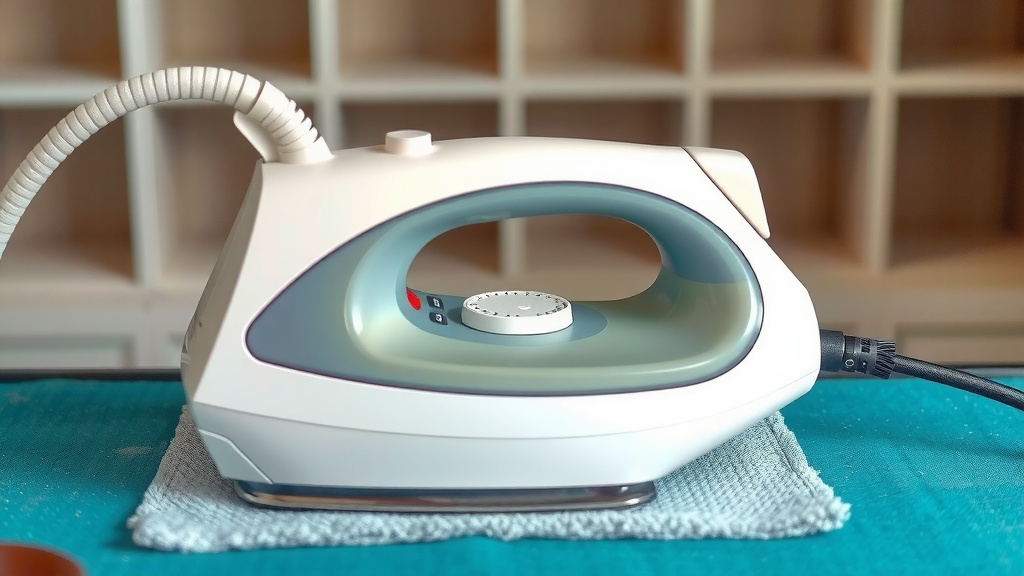
Quick Checklist for a Sparkling Soleplate
Ready to give your iron some TLC? Here’s a quick reminder of the essential steps:
- Always unplug and ensure your iron is cool.
- Empty any remaining water from the reservoir.
- Choose a gentle cleaning method, like baking soda paste or dish soap.
- Wipe the soleplate thoroughly with a damp cloth.
- Dry the soleplate completely with a soft, dry cloth.
- Test on an inconspicuous area if you’re unsure about a method.
Conclusion
Keeping your steam iron’s plate clean is an important part of garment care. You’ve learned that simple, household items like baking soda can tackle tough residue effectively. Regular cleaning prevents fabric damage and ensures your iron glides smoothly. Remember to always prioritize safety by unplugging and cooling your iron before starting. Now you have the knowledge to restore your iron’s soleplate to its best condition!
Your next step is to try the baking soda paste method the next time you notice any buildup. You’ll be amazed at the difference it makes for your ironing!
Frequently Asked Questions
Can I use a magic eraser on my iron plate?
It’s best to avoid magic erasers, as they can be too abrasive. While they work on many surfaces, they might scratch your iron’s soleplate. Sticking to gentler methods like baking soda paste is safer for your appliance.
How often should I clean my iron’s soleplate?
You should clean your iron’s soleplate whenever you notice residue, sticky spots, or it’s not gliding smoothly. For most people, this means cleaning every few months or after ironing difficult fabrics like synthetics.
What if baking soda doesn’t remove the stain?
If the baking soda paste method doesn’t fully remove a stubborn stain, you can try the salt method with caution. Ensure the iron is hot but *off* and then glide it over salt sprinkled on paper. Always test on a small area first.
Can I use cleaning vinegar on my iron plate?
While vinegar is great for descaling the inside of your iron, it’s generally not recommended for cleaning the *outside* of the soleplate. Its acidity can sometimes damage certain finishes or coatings on the plate. Stick to baking soda or mild dish soap for the soleplate.
My iron has a non-stick coating. How does that affect cleaning?
If your iron has a non-stick coating, you need to be extra gentle. Avoid any abrasive cleaners or scrubbing tools, as these can easily scratch or remove the coating. The baking soda paste or a damp cloth with mild dish soap are your safest bets.